
5 Signs of a Dysregulated Nervous System
How childhood trauma changes our idea of “normal”
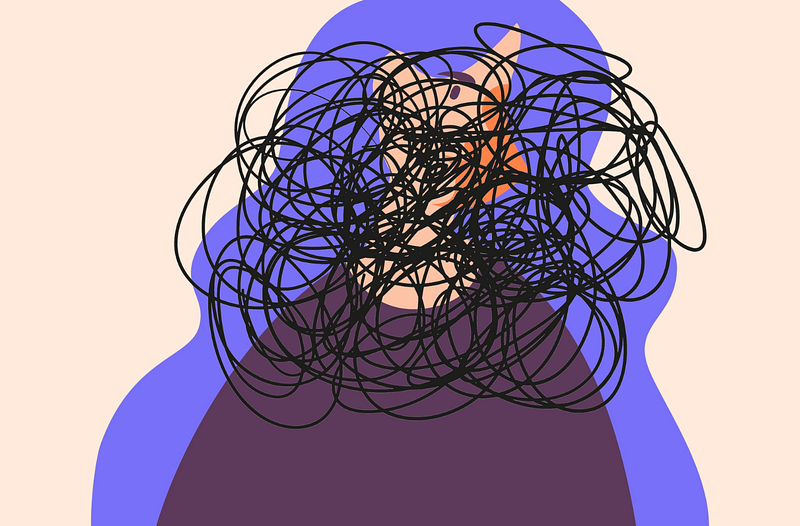
Being raised by narcissistic caregivers or growing up in a toxic environment affects us much deeper than we may realize and can affect our mind, emotions, and body more than we may be consciously aware of. Kids who experience constant stress, traumatic events, or chronic abuse develop difficulties in managing their nervous systems.
Several of the biggest predictors of a dysregulated nervous system include childhood abuse, neglect, invalidation, poverty, having a family member with mental illness, growing up in a violent home or neighborhood, or living through a natural disaster.
A hard truth is that if we grew up with these as “normal”, we probably won’t recognize the damage done until years — perhaps decades — later. That’s the thing about trauma, especially when chronic trauma is conditioned as “normal” in our developmental years.
We don’t see our situation as bad. We don’t notice that our fists are always clenched when we go to sleep at night, or that our breathing is shallow and winded. We aren’t noticing that our behavior is based on reaction and survival mode instead of mindful intention. We don’t make the connection that nightmares and sleepwalking aren’t “typical” childhood behaviors, or that sitting in our closet reading our book and hoping to disappear is preferred over hanging out with the neighborhood kids.
As adults, we wind up getting involved in relationships with people who haven’t healed their own pain which reinforces our own. Yet, we’re still stuck in these patterns as “comfortable. Toxic gets confused as safe because it’s familiar. Peace and quiet are avoided and chaos is chased because it’s comfortable. Authenticity seems suspect and vulnerability add another brick to our emotional wall.
We live in stress, anxiety, depression, fight/flight/freeze mode, and develop difficulty managing our own emotions because of it. We may cycle between feeling numb and disconnected to feeling stuck on ‘go’ mode and unable to slow down.
There are several patterns that emerge from having a dysregulated nervous system including:
Emotional Dsyregulation. When we hear about emotional dysregulation, we can jump right to thinking a person is “dysregulated” when they have emotional outbursts or can’t control their anger. This often crops up as a “fight” response where arguing, defensiveness, or feelings of being persecuted lead a person react with impulsivity instead of responding with intention.
However, emotional dysregulation is also seen in people who avoid vulnerable emotions such as anger, jealousy, sadness, or even love and wind up dismissing these emotions by pushing them away or blocking them. We may see them brimming with “toxic positivity” if things go sideways, or we may notice that intimate and vulnerable emotions like love are replaced with doing “things” (i.e. sex, or hobbies). When emotional dysregulation tilts on numbness, it’s often seen in those who have a “freeze” response and may struggle with denial of their more vulnerable experiences.
Thrill-Seeking. Thrill-seeking is also a common sign of a dysregulated nervous system. If we struggle with feeling numb or disconnected or grew up in chaos, then we may be attracted to toxic relationships, dangerous experiences, or drama in order to “feel”.
This is especially common in flight types who are always on the go and often “live in their head” and are disconnected from their body and emotions. Patterns may be more subtle such as the rush experienced from workaholism where the thrill comes from feeling physically and mentally exhausted. Or, the pattern may be more severe where there’s a history of bad relationships, dangerous situations, or predatory “friends” that taps into a need for thrill-seeking to avoid feeling more intimate connections.
Inability To Be Alone. Another common experience is seen in those who can’t be alone. This is common in people who have a more anxious attachment style, who have fears of abandonment, and who don’t feel they’re worthy of authentic connection. They commonly confuse attention with connection or sex with intimacy.
Many can find themselves bouncing from one relationship to another and may feel scared, angry, or uncomfortable when not “chasing” a relationship or in some stage of a relationship because their inner critic may start to emerge. People with this pattern of trauma responses are trying to fill a void by chasing a relationship and often find themselves “marrying their mother” or “dating their dad” because these types of relationships resonate with their unhealed trauma — a toxic combination of an ability to be alone and thrill-seeking which manifests as self-sabotage.
Overthinking. Overthinking is very common in flight types. With overthinking, it causes a person to ruminate on the situation, or a person which keeps them stuck in the situation and not “running” which flight types are known for. Flight types who are “stuck in their head” can find momentary solace in thinking (and overthinking) situations because it keeps them from feeling.
Yet, the outcome is usually the same. Rumination is about overanalyzing and intellectualizing situations so that feelings don’t have to be felt. This is how this trauma response “helps” a person who is prone to running by keeping them momentarily “stuck” and overthinking a situation, which commonly triggers more trauma. Over-thinkers are constantly scanning their environment, looking for angles, and seeking to rationalize or intellectualize a situation so they can either: A) run from it, or B) intellectualize it so they don’t have to feel.
Hypervigilance. This is very common in both fight and flight types. With hypervigilance, it’s similar to overthinking except it’s not our mind that’s working overtime, but our body and our reactions. We’re constantly on edge, constantly looking for a mismatch between word and deed, and constantly seeking a reason to leave, to run, and to escape relationships, friendships or situations that trigger our trauma.
We see danger that is not there, or we unconsciously seek out friendships or intimate relationships that trigger the “run” trauma response. We don’t trust others and are constantly looking for their agenda. We feel easily threatened, yet may find ourselves in situations that reinforce our fearful feelings (thrill seeking). At the core of hypervigilance are unmet safety needs. If stemming from childhood, this is often due to abusive situations that violated our sense of safety. If in our adult lives, it’s often due to repetition compulsion, where our adult relationships are unconsciously replaying our earliest unhealed wounds.
Healing The Cycle
Dr. Bessel van der Kolk has spoken candidly both in interviews and in his book, The Body Keeps the Score, that in order to release trauma from our body and to regulate our nervous system, we need to teach ourselves to feel safe.
Safety needs include: safety, security, trust, consistency, reliability, protection, nurturance, guidance, and predictability. This includes both self-safety (our body, our emotions, our minds, and hearts) and externally in our environment. Trauma doesn’t heal by simply ignoring it, distracting ourselves in a relationship, compulsively hitting the gym or tuning out with Netflix or video games. If the damaging effects of trauma on our physical and emotional health come from over-activation of parts of brain, the answer to healing is in calming these over-activated parts of our nervous system.
Yoga. Yoga — especially Bikram, or “hot” yoga — is incredibly healing because it combines movement, concentration (mindfulness and staying the present) with breathwork. Yoga has been supported in many academic articles in helping regulate the nervous system, reduce anxiety and stress and increasing our “rest and digest” response (our parasympathetic) responses.
Alternative Techniques and Heat Therapy. Many alternative techniques such as dry Swedish or Korean sauna, Watsu, and Reiki have shown some benefits in helping those with Post-Traumatic Stress Disorder and other anxiety disorders. By using heat, pressure, or water to help calm, it can help promote deeper and more calming sleep, minimize the effects of hypervigilance and anxiety, and decrease rumination.
Because those of us who have experienced profound trauma are often caught up in a vicious cycle of elevated stress responses that trigger trauma responses, it’s important that we toss out Ego and begin peeling back the layers in: where our trauma began, what it entails, where it started, who or what was involved in our trauma, and most importantly — how to stop the cycle and empower ourselves. Reaching out to a therapist who is trained as a trauma professional and can provide you insight and skills can help boost your ability to heal and recover from early (or chronic) traumatic experiences and help you feel more grounded and connected to others.
I’m a psychologist and clinical certified trauma and addiction specialist. I am an expert in helping others unpack and resolve “push-pull” relationships, traumatic bonds, and patterns of self-sabotage that have negatively affected the quality of their lives, and their relationships. My Self-Healing Through Self-Discovery™ program is individualized and geared towards building healthy relationships and a solid sense of Self.