avatarCinette Santangelo

Free AI web copilot to create summaries, insights and extended knowledge, download it at here

3202

Abstract

ymers — become longer and more stable as the organisms digest and use them, so the molecules within them are less likely to leak back into the atmosphere. Given the right conditions, they can even attract atmospheric carbon molecules down into the soil to join them.</p></blockquote><p id="c00a">Eric Toensmeier, author of <a href="https://www.amazon.ca/Carbon-Farming-Solution-Regenerative-Agriculture/dp/1603585710/ref=sr_1_1?crid=2X5CGASCDJLBS&amp;keywords=the+carbon+farming+solution&amp;qid=1667687219&amp;qu=eyJxc2MiOiIwLjAwIiwicXNhIjoiMC4wMCIsInFzcCI6IjAuMDAifQ%3D%3D&amp;sprefix=the+carbon+Farming+%2Caps%2C214&amp;sr=8-1">The Carbon Farming Solution: A Global Toolkit of Perennial Crops and Regenerative Agriculture Practices for Climate Change Mitigation and Food Security</a>, is obviously, passionate about sequestering carbon. As mentioned in the article from<a href="https://news.globallandscapesforum.org/38003/how-to-turn-your-backyard-into-a-carbon-sink/"> Landscape News;</a></p><blockquote id="900f"><p>Toensmeier’s own modest 405-square-meter garden in the U.S. state of Massachusetts sequesters enough carbon to offset the carbon footprint of one American adult. The example is compelling.</p></blockquote><p id="5027">I don’t have to buy carbon credits to offset my carbon footprint? (As if I would). Another very compelling reason not to till my garden.</p><p id="f48d"><b>#3. Working Up The Soil Disrupts The Wood-Wide Web</b></p><p id="4e94">Nope, that’s not a typo. Mycorrhizal fungi (delicate, filament-like mushrooms) form a network between trees and plants worldwide, as stated in the article <a href="https://www.sciencefocus.com/nature/mycorrhizal-networks-wood-wide-web/">Can the Wood-Wide Web Really Help Trees Talk to Each Other?</a>;</p><blockquote id="bd16"><p>The wood-wide web is not confined to woods, however. Mycorrhiza occur anywhere you find vegetation, from tropical rainforests to Arctic tundra, and they benefit the growth of the vast majority of land plants.</p></blockquote><blockquote id="3bf8"><p>The networks they form are complex, often encompassing not just multiple plants but multiple species, and depending on the type of fungi involved, different materials can be exchanged. In the past few years, researchers have demonstrated that plants connected to the wood-wide web can exchange more than just nutrients.</p></blockquote><p id="0ac9">Many plants rely on mycorrhiza to break down nutrients for them. Orchids cannot germinate without the help of mycorrhizal fungi.</p><p id="7662">I’m not the type of gal that wants to be destroying relationships, so I’ll not be digging up this network if I can avoid it.</p><p id="9a78"><b>#4. Beneficial Anaerobic Bacteria Are Exposed to Oxygen When the Soil Is Disturbed</b></p><p id="70d8">We gardeners know about legumes needing inoculants to better access nitrogen. <i>Rhizobium</i> bacteria is the specific bacteria used in this case and is aerobic (oxygen-using). But many bacteria in the soil would perish or find their work hampered if exposed to oxygen. They are responsible for fermentation and decomposition, helping break down detritus into nutrients available to plant roots, as well as <a hre

Options

f="https://u.osu.edu/vegetablediseasefacts/management/anaerobic-soil-disinfestation/">killing off soilborne pathogens.</a></p><p id="878b"><b>#5. No-Till Gardening Doesn’t Disturb or Destroy Other Inhabitants of the Soil</b></p><p id="a341">Those worms and toads are just going about their business, breaking down detritus, aerating the soil, and eating parasites and other damaging insects. Digging wreaks havoc with the ecosystem we call our garden. Nowhere in nature is the soil worked up to make things better. We need to start working with the Earth, not against it.</p><p id="8eef">If you want more information on No-Dig Gardening, Charles Dowding has many <a href="https://www.youtube.com/watch?v=VJhGIrqKs1k">Youtube videos</a> that explain it very simply. He takes all the back-breaking work out of gardening, dispelling numerous gardening myths along the way.</p><p id="29c1">Another article of mine referring to soil health and mitigating climate issues…</p><div id="1c34" class="link-block"> <a href="https://readmedium.com/my-argument-for-raising-beef-or-sheep-versus-a-vegan-crop-of-pea-or-soy-protein-fa9bbf19364b"> <div> <div> <h2>My Argument For Raising Beef or Sheep Versus A Vegan Crop of Pea or Soy Protein</h2> <div><h3>Something Always Has To Die To Feed You</h3></div> <div><p>medium.com</p></div> </div> <div> <div style="background-image: url(https://miro.readmedium.com/v2/resize:fit:320/1*ZLwPgoymCkBECkjt5PwUFg.png)"></div> </div> </div> </a> </div><p id="7c67">A lighter read…</p><div id="327a" class="link-block"> <a href="https://readmedium.com/20-signs-that-might-indicate-youre-getting-old-556f632d1a0d"> <div> <div> <h2>20 Signs That Might Indicate You’re Getting Old</h2> <div><h3>I Thought Growing Older Would Take Longer</h3></div> <div><p>medium.com</p></div> </div> <div> <div style="background-image: url(https://miro.readmedium.com/v2/resize:fit:320/1*WDGCfyBhGJcdNl2s7jF2Tw.jpeg)"></div> </div> </div> </a> </div><p id="6bad"><i>Do you want to have unlimited access to Medium.com? Use my affiliate link below to sign up. A portion of your membership will support my writing, as well as other writers you read on the platform.</i></p><div id="d5ce" class="link-block"> <a href="https://www.cinettesantangelo.ca/membership"> <div> <div> <h2>Join Medium with my referral link - Cinette Santangelo</h2> <div><h3>As a Medium member, a portion of your membership fee goes to writers you read, and you get full access to every story…</h3></div> <div><p>www.cinettesantangelo.ca</p></div> </div> <div> <div style="background-image: url(https://miro.readmedium.com/v2/resize:fit:320/0*vR4uZDZv2hgFCisj)"></div> </div> </div> </a> </div></article></body>

5 Reasons Why You Shouldn’t Till Your Garden

Little-Known Soil Facts
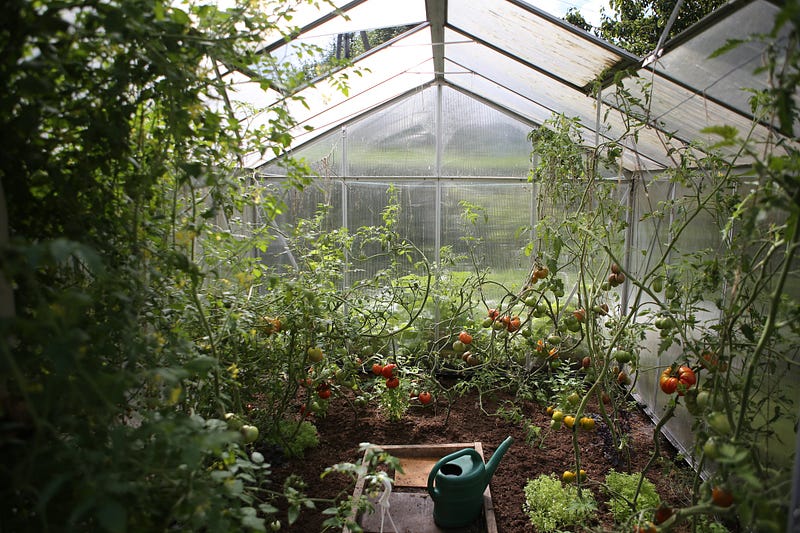
Photo by www.zanda. photography on Unsplash

Every year I dug up an old toad while turning over my garden (using a shovel), and he was never pleased with me. Thankfully, I never hurt him, but it always bothered me when I chopped worms in half. It didn’t seem right that I had to do damage to do things’ right’.

As it turns out, working up the soil isn’t in our best interest. Or in the best interests of our gardens. Yes, we’ve all felt a sense of accomplishment when gazing over our freshly tilled gardens or fields, breathing in the earthy smell. I’m guilty of it too. But I was getting older and decided I needed to find an easier (re: lazier) way of tending to a large-ish garden. My kids have partnered up and produced offspring, so the mouths to feed have more than doubled. That’s when I stumbled onto No-Till Gardening.

#1. Tilling, Double Digging, Working Up the Soil, etc. Are a Lot of Work, With Diminished Returns

In Charles Dowding’s No Dig Gardening Course (there are no affiliate links to books in this article), Charles compared no-dig and dig beds for 13 years to prove his point. He planted each bed with the same number and type of plants. The no-dig bed almost always outperformed the bed that was annually double dug.

So, I don’t have to spend untold hours trying to double dig a 30' x 35' plot of compacted clay to prepare my garden every spring? This alone is more than enough reason for me, thank you very much.

#2. NO-TILL/NO-DIG Practices Reduce Carbon Emissions

Do you realize that tilling the soil releases carbon into the atmosphere, contributing to climate change? Not only that, it reduces the health of the soil. In the article from Landscape News How to turn your backyard into a carbon sink,

There is four times as much carbon stored below ground as in all of the world’s vegetation. That’s because healthy soil is full of fungi and microorganisms that feed on carbon from dead plants and animals and from the roots of living plants.

The carbon molecule chains — called humus polymers — become longer and more stable as the organisms digest and use them, so the molecules within them are less likely to leak back into the atmosphere. Given the right conditions, they can even attract atmospheric carbon molecules down into the soil to join them.

Eric Toensmeier, author of The Carbon Farming Solution: A Global Toolkit of Perennial Crops and Regenerative Agriculture Practices for Climate Change Mitigation and Food Security, is obviously, passionate about sequestering carbon. As mentioned in the article from Landscape News;

Toensmeier’s own modest 405-square-meter garden in the U.S. state of Massachusetts sequesters enough carbon to offset the carbon footprint of one American adult. The example is compelling.

I don’t have to buy carbon credits to offset my carbon footprint? (As if I would). Another very compelling reason not to till my garden.

#3. Working Up The Soil Disrupts The Wood-Wide Web

Nope, that’s not a typo. Mycorrhizal fungi (delicate, filament-like mushrooms) form a network between trees and plants worldwide, as stated in the article Can the Wood-Wide Web Really Help Trees Talk to Each Other?;

The wood-wide web is not confined to woods, however. Mycorrhiza occur anywhere you find vegetation, from tropical rainforests to Arctic tundra, and they benefit the growth of the vast majority of land plants.

The networks they form are complex, often encompassing not just multiple plants but multiple species, and depending on the type of fungi involved, different materials can be exchanged. In the past few years, researchers have demonstrated that plants connected to the wood-wide web can exchange more than just nutrients.

Many plants rely on mycorrhiza to break down nutrients for them. Orchids cannot germinate without the help of mycorrhizal fungi.

I’m not the type of gal that wants to be destroying relationships, so I’ll not be digging up this network if I can avoid it.

#4. Beneficial Anaerobic Bacteria Are Exposed to Oxygen When the Soil Is Disturbed

We gardeners know about legumes needing inoculants to better access nitrogen. Rhizobium bacteria is the specific bacteria used in this case and is aerobic (oxygen-using). But many bacteria in the soil would perish or find their work hampered if exposed to oxygen. They are responsible for fermentation and decomposition, helping break down detritus into nutrients available to plant roots, as well as killing off soilborne pathogens.

#5. No-Till Gardening Doesn’t Disturb or Destroy Other Inhabitants of the Soil

Those worms and toads are just going about their business, breaking down detritus, aerating the soil, and eating parasites and other damaging insects. Digging wreaks havoc with the ecosystem we call our garden. Nowhere in nature is the soil worked up to make things better. We need to start working with the Earth, not against it.

If you want more information on No-Dig Gardening, Charles Dowding has many Youtube videos that explain it very simply. He takes all the back-breaking work out of gardening, dispelling numerous gardening myths along the way.

Another article of mine referring to soil health and mitigating climate issues…

A lighter read…

Do you want to have unlimited access to Medium.com? Use my affiliate link below to sign up. A portion of your membership will support my writing, as well as other writers you read on the platform.

Gardening Tips
Reduce Carbon Emissions
Soil Health
No Dig Gardening
Illumination
Recommended from ReadMedium