avatarRameen Zeeshan

Free AI web copilot to create summaries, insights and extended knowledge, download it at here

3041

Abstract

kitchen, and she had a particular fondness for baking.</p><p id="262d">One fateful day, as she was preparing a batch of her beloved chocolate cookies, she encountered a small but significant hiccup. Ruth had run out of her usual ingredient, baker’s chocolate, which she typically added to her cookie dough to create a uniform chocolate flavor.</p><p id="c02e">So she added chocolate chips and created an American classic. Today chocolate chips are America’s favorite cookie.</p><h1 id="7cba">Corn Flakes Are Another Accidental Invention</h1><figure id="5169"><img src="https://cdn-images-1.readmedium.com/v2/resize:fit:800/0*M_a1yuDoGQUnhDM2"><figcaption>Photo by <a href="https://unsplash.com/@stenslens?utm_source=medium&amp;utm_medium=referral">Sten Ritterfeld</a> on <a href="https://unsplash.com?utm_source=medium&amp;utm_medium=referral">Unsplash</a></figcaption></figure><p id="7952">The story of Corn Flakes as another accidental invention traces back to Dr. John Harvey Kellogg, who was the superintendent of the Battle Creek Sanitarium, a renowned medical spa and grand hotel in Michigan during the late 19th century. Dr. Kellogg and his brother, W.K. (Will Keith) Kellogg, were staunch Seventh-day Adventists and advocates of vegetarianism and healthful living.</p><p id="2403">Dr. Kellogg’s role at the Battle Creek Sanitarium was to care for the well-being of the guests, many of whom came seeking treatments for various health conditions. A common problem he encountered among his patients was digestive distress, which led him to explore dietary solutions to promote better health. Dr. Kellogg believed that wholesome foods were key to achieving this goal, and he embarked on a quest to find suitable options.</p><p id="4972">The accidental invention of Corn Flakes can be attributed to a fortuitous incident that occurred in the Battle Creek Sanitarium’s kitchen. One day, a batch of wheat-based cereal dough was left out and unintentionally allowed to ferment. Rather than discarding the spoiled dough, the Kellogg brothers decided to salvage it by running it through rollers in an attempt to create thin sheets of dough.</p><blockquote id="214f"><p>To their surprise, the dough sheets did not produce the expected result. Instead, they yielded crisp, flake-like pieces when toasted. These toasted flakes were unlike any cereal previously encountered, and the Kellogg brothers recognized their potential as a nutritious and easily digestible breakfast option.</p></blockquote><h1 id="da88">A Candy Bar Helped Invent Microwave Ovens</h1><p id="4c72">The fascinating story of how a candy bar played a pivotal role in the invention of microwave ovens begins with Percy Spencer, an American engineer who was conducting experiments for the Raytheon Corporation in 1945.</p><p id="d5dc">At the time, Raytheon, a defense contractor, was heavily involved in radar technology, particularly the development of high-powered vacuum tubes called magnetrons.</p><figure id="9e73"><img src="https://cdn-images-1.readmedium.com/v2/resize:fi

Options

t:800/1*qraxw7kGvSRhCCOug_uw6A.png"><figcaption>Source: <a href="https://www.canva.com/design/DAFzY4iEVQY/wpmoq62UYkGzc7fCO5A_GQ/view?utm_content=DAFzY4iEVQY&amp;utm_campaign=designshare&amp;utm_medium=link&amp;utm_source=editor">Image created by author through Canva</a></figcaption></figure><p id="13a2">Percy Spencer’s role at Raytheon involved working with these magnetrons, which were integral to radar systems during World War II. His job was to explore ways to improve their performance.</p><p id="b451">As part of this work, he was experimenting with these magnetrons inside a metal box called a magnetron housing. Spencer noticed that the magnetron melted chocolate bars left inside the housing.</p><p id="d2b0">This inspired him to invent the microwave oven. Microwaves are now standard kitchen equipment the world order.</p><p id="3d60">If you want to read more exciting and insightful stories, check out the stories below…</p><div id="b7d6" class="link-block"> <a href="https://readmedium.com/what-would-happen-if-you-dug-a-hole-through-earth-and-jumped-in-it-7a4295d67212"> <div> <div> <h2>What Would Happen If You Dug A Hole Through Earth And Jumped In It?</h2> <div><h3>It would cost a fortune and be dangerous; no one would try it.</h3></div> <div><p>medium.com</p></div> </div> <div> <div style="background-image: url(https://miro.readmedium.com/v2/resize:fit:320/1*VUEl1PdLRsB7vu8yOtQwIQ.png)"></div> </div> </div> </a> </div><div id="bbc3" class="link-block"> <a href="https://readmedium.com/the-gruesome-crimes-of-martha-place-the-first-woman-to-die-in-the-electric-chair-67f93c682a03"> <div> <div> <h2>The Gruesome Crimes Of Martha Place, The First Woman To Die In The Electric Chair</h2> <div><h3>Buried in silence, no peace in death!</h3></div> <div><p>medium.com</p></div> </div> <div> <div style="background-image: url(https://miro.readmedium.com/v2/resize:fit:320/1*V2F1C-qGVMvqzFrm5yOhzA.png)"></div> </div> </div> </a> </div><h1 id="6bb5">Sources</h1><div id="425f" class="link-block"> <a href="https://www.businessinsider.com/these-10-inventions-were-made-by-mistake-2010-11"> <div> <div> <h2>15 Life-Changing Inventions That Were Created By Mistake</h2> <div><h3>It is hard to imagine how certain products were invented. How did someone think of the slinky, and silly putty, and…</h3></div> <div><p>www.businessinsider.com</p></div> </div> <div> <div style="background-image: url(https://miro.readmedium.com/v2/resize:fit:320/0*c9pJMBWioth2RO7-)"></div> </div> </div> </a> </div></article></body>

5 Popular Things That Were Invented By Accident

The unpredictable nature of innovation and the potential for greatness to emerge from humble beginnings.
Source: Image Created by Author Through Canva

Serendipity, often described as a fortunate accident or a happy coincidence, has played a significant and sometimes unexpected role in driving scientific and technological advancements throughout history.

While meticulous planning, deliberate research, and scientific methodology are the foundation of many discoveries. Serendipity often emerges as a powerful catalyst, leading researchers and inventors down uncharted paths of innovation.

The Accidental Spark That Led to Matchsticks
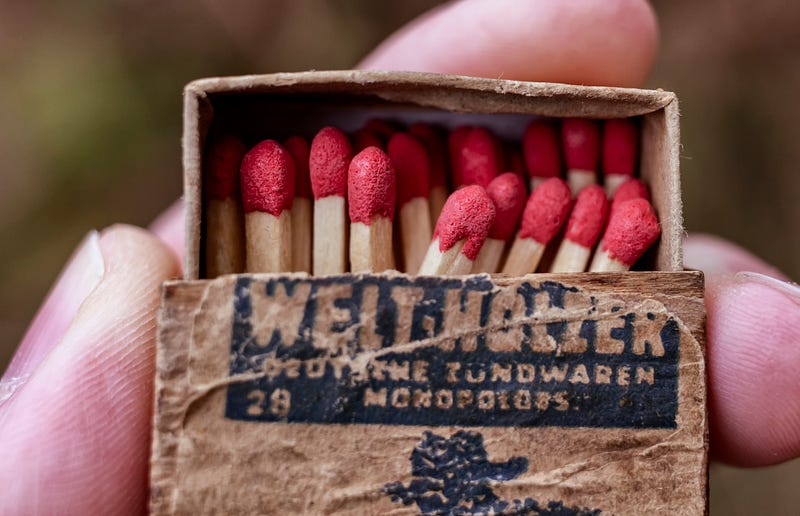
Photo by Salah Ait Mokhtar on Unsplash

In the world of accidental inventions, the matchstick stands as a testament to serendipity’s role in scientific advancement.

The story begins in 1826 when a humble English chemist named John Walker was conducting experiments in his laboratory. Little did he know that his laboratory would become the birthplace of the modern matchstick...

Walker was working with various chemicals when he stumbled upon the idea that would change the way people started fires forever. While working, he accidentally scraped a mixture-coated stick against the hearth, and to his astonishment, it resulted in an unexpected burst of flame. This serendipitous ignition piqued his curiosity, leading him to embark on further experiments to refine the flammability of this accidental discovery.

Chocolate Chip Cookies at Toll House Inn

The delightful story of chocolate chip cookies and their accidental invention begins in the 1930s with a talented baker named Ruth Wakefield. Ruth, and her husband. Kenneth, owned the Toll House Inn in Whitman, Massachusetts, a popular destination for travelers seeking delicious meals and homemade desserts.
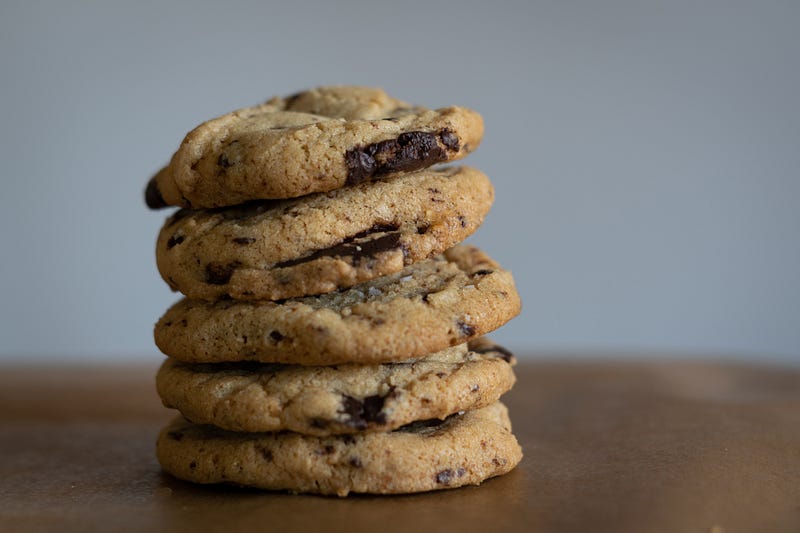
Photo by Ben Lei on Unsplash

Ruth Wakefield was known for her prowess in the kitchen, and she had a particular fondness for baking.

One fateful day, as she was preparing a batch of her beloved chocolate cookies, she encountered a small but significant hiccup. Ruth had run out of her usual ingredient, baker’s chocolate, which she typically added to her cookie dough to create a uniform chocolate flavor.

So she added chocolate chips and created an American classic. Today chocolate chips are America’s favorite cookie.

Corn Flakes Are Another Accidental Invention
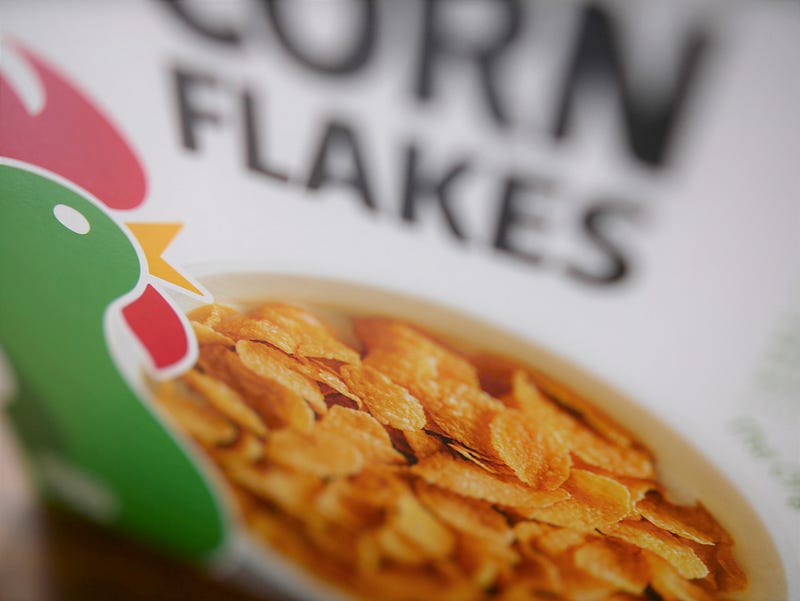
Photo by Sten Ritterfeld on Unsplash

The story of Corn Flakes as another accidental invention traces back to Dr. John Harvey Kellogg, who was the superintendent of the Battle Creek Sanitarium, a renowned medical spa and grand hotel in Michigan during the late 19th century. Dr. Kellogg and his brother, W.K. (Will Keith) Kellogg, were staunch Seventh-day Adventists and advocates of vegetarianism and healthful living.

Dr. Kellogg’s role at the Battle Creek Sanitarium was to care for the well-being of the guests, many of whom came seeking treatments for various health conditions. A common problem he encountered among his patients was digestive distress, which led him to explore dietary solutions to promote better health. Dr. Kellogg believed that wholesome foods were key to achieving this goal, and he embarked on a quest to find suitable options.

The accidental invention of Corn Flakes can be attributed to a fortuitous incident that occurred in the Battle Creek Sanitarium’s kitchen. One day, a batch of wheat-based cereal dough was left out and unintentionally allowed to ferment. Rather than discarding the spoiled dough, the Kellogg brothers decided to salvage it by running it through rollers in an attempt to create thin sheets of dough.

To their surprise, the dough sheets did not produce the expected result. Instead, they yielded crisp, flake-like pieces when toasted. These toasted flakes were unlike any cereal previously encountered, and the Kellogg brothers recognized their potential as a nutritious and easily digestible breakfast option.

A Candy Bar Helped Invent Microwave Ovens

The fascinating story of how a candy bar played a pivotal role in the invention of microwave ovens begins with Percy Spencer, an American engineer who was conducting experiments for the Raytheon Corporation in 1945.

At the time, Raytheon, a defense contractor, was heavily involved in radar technology, particularly the development of high-powered vacuum tubes called magnetrons.
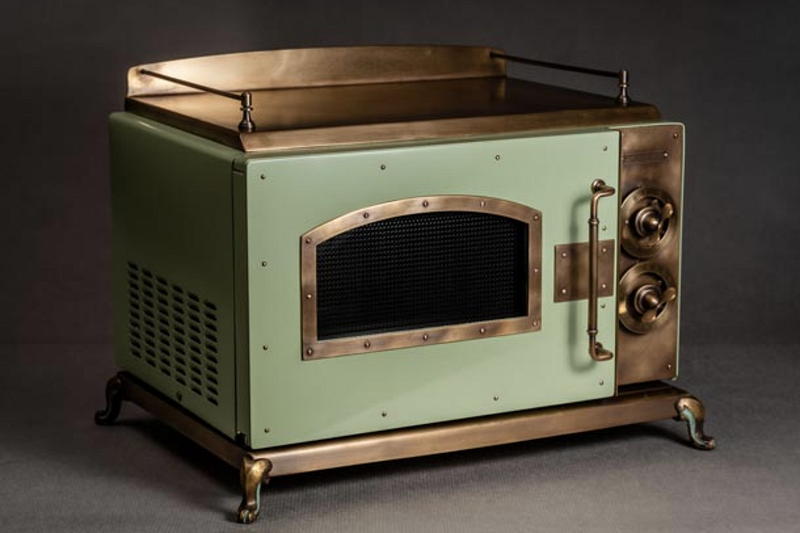
Source: Image created by author through Canva

Percy Spencer’s role at Raytheon involved working with these magnetrons, which were integral to radar systems during World War II. His job was to explore ways to improve their performance.

As part of this work, he was experimenting with these magnetrons inside a metal box called a magnetron housing. Spencer noticed that the magnetron melted chocolate bars left inside the housing.

This inspired him to invent the microwave oven. Microwaves are now standard kitchen equipment the world order.

If you want to read more exciting and insightful stories, check out the stories below…

Sources

History
American History
Popular
Accident
History Of Technology
Recommended from ReadMedium