
5 Plants That Are Toxic to Cats
And 3 That Are Good for Them
If you’re both a plant parent and a cat parent, you have to be careful. Cats are known to get into everything, including plants. While you may be concerned about your cat knocking over your plants or destroying them, you should be more concerned about the ill effects certain plants can have on your cat.
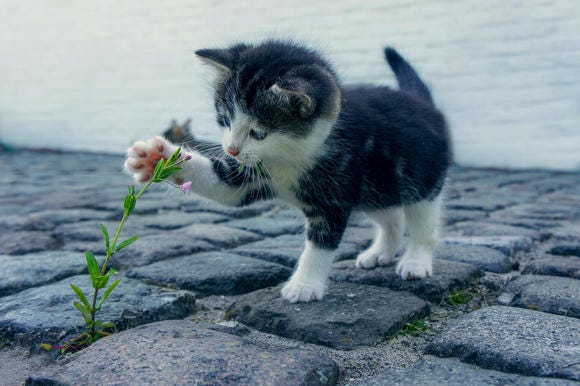
While there are many dangerous plants to cats, here are some common plants that you may not have even considered to be a concern:
Plants That Are Toxic for Cats
Daffodils
Daffodils are beautiful, bright, and vibrant flowers. They are popular because they’re easy to take care of and give off a fresh summer vibe. However, if your cat ingests part of a daffodil, it can cause severe problems for your furry friend, such as diarrhea, vomiting, low blood pressure, and even heart arrhythmias and seizures. If you think that your cat may have eaten part of a daffodil, don’t delay in getting veterinary assistance as soon as possible.
Lilies
Lilies are notoriously dangerous to cats. It can be fatal for your cat if it ingests part of a lily. Early signs that your cat might have eaten part of a lily include drooling, low appetite, and low energy levels. If untreated, lily ingestion causes complete kidney failure.
So if you have a cat, it’s best not even to let lilies enter your home. And if your cat goes outside or if you have cats that roam around the neighborhood, it’s best not to plant lilies in your yard. They are not cat-friendly.
Marijuana
While some well-meaning cat owners believe that marijuana is just a higher level of catnip, they couldn’t be more wrong. Marijuana ingestion by a cat can cause serious problems such as a low heart rate, lack of coordination, extreme sleepiness, agitation, and seizures.
While marijuana intoxication isn’t likely to kill a cat, it isn’t entirely out of the question either. Keep the marijuana to yourself.
Jade plants
Jade plants (also known as lucky plants or money plants) are a succulent that is relatively easy to care for and grow, making them a popular choice for plant parents. However, every single part of the jade plant is toxic to cats.
If your cat has eaten part of a jade plant, you may notice signs of depression or exhaustion. Your cat might stop grooming him or herself or no longer have the energy to play. In severe cases of poisoning, your cat may vomit or lose its coordination.
The best thing to do is take your cat to the vet immediately to have the best chance of making it out without severe organ failure.
Tulips
Tulips are a summer staple for gardens. They’re bright and colorful and attract a lot of attention. Hopefully, that attention doesn’t come from cats, however.
While tulips are not likely to kill a cat in good health, tulips can be hazardous if your cat’s health is compromised due to sickness or age.
The primary signs of tulip ingestion are diarrhea, vomiting, and lethargy.
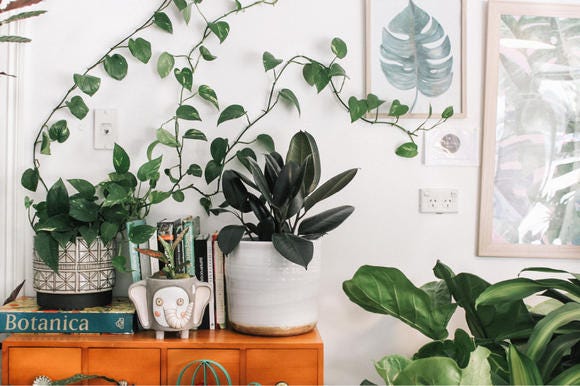
Plants That Are Beneficial for Cats
Now that you know a few common plants that are toxic to cats, it’s good for you to know a few plants that benefit cats.
Catnip
When you think of catnip, you probably imagine a cat rolling around in catnip or acting wild with wide eyes. Whether this is a benefit or not is up for debate, but catnip is safe for cats, and their catnip high has no lasting effects on their health or personality.
As a bonus, eating catnip is excellent for your cat’s digestion. While anything can be harmful in high doses, this isn’t one that you need to worry about particularly.
Valerian Root
Humans usually use valerian root for its calming effects. However, your cat won’t have the same experience. Valerian root has some of the same effects on cats as catnip. Some cat owners report their cat running off with a tea bag with valerian root in it.
While valerian root can make cats feel euphoric, it can also reduce anxiety and encourage an otherwise sedentary cat to play for a little while.
Grass
While you shouldn’t let your kitty outside unsupervised, you might notice that they usually end up munching on grass if your cat goes outside. While grass isn’t a primary part of a cat’s diet, it does have health benefits. Grass has folic acid and vitamins that your cat may not get enough of, and eating grass has been known to aid digestion in cats.
You don’t have to let your indoor kitty outside to allow them to reap the benefits of eating grass. You can purchase a little grass tray for your cat to keep indoors so that it can eat some whenever it would like.
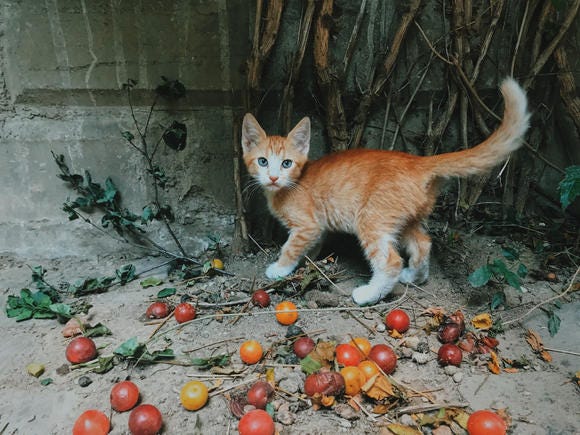
Cats likely won’t eat things that are toxic to them, but cats are curious creatures, and keeping plants that can hurt them is not a risk worth taking. If you must have a poisonous plant in the house, make sure to put it in a room your cat does not have access to.
And don’t forget the neighborhood cats. If you have cats that roam the yard around your home, be mindful of what plants you choose to grow in your garden.