
5 Nutrition Myths You Still Believe In
The area of nutrition/fitness has a lot of controversies and myths

1-Supplements do everything

As the name implies, a supplement, in this case a food supplement, is something that is added to an entire lifestyle to help achieve a specific goal, so for the supplement to be effective we need to have all the bases well-founded, having good training habits, good eating habits, good resting habits and only at this point, realizing what we may need, add the appropriate supplements.
2-Carbohydrates at night fattening

In fact, carbohydrates put on weight both at night and in the morning, but only if we exceed our daily caloric expenditure, let me explain: All tissues that perform functions in our organism do so through cells (basic unit of life), these exchanges between cells and the external environment are called metabolism, so that these exchanges are concluded effectively each cell needs energy that is measured through kilocalories (1 kcal = 4.1868 joules), these kilocalories come from the assimilation or processing (breakdown) of macromolecules (protein, fat, and carbohydrates) ingested through food, the whole set of cell exchanges that occurred in one day we call daily metabolism, depending on person to person (theme for another article ) this metabolism (kcal “consumed” or used in a day) varies widely. So you ask, what if with the food we eat we exceed this daily limit of kcal (eg 2500kcal)?! — Exactly we are going to increase our weight.
3-Fattening fat
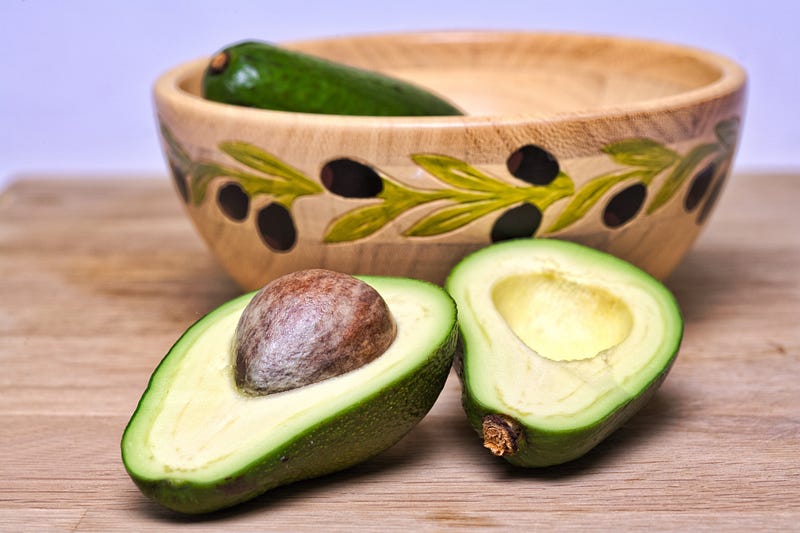
Another myth also related to myth #2 is precisely that fat is fattening, which seems from a very superficial point of view a statement with some logic, however it is completely wrong because as we have already seen the fat (macromolecule) when broken in our body originates kcal (about 1 gram of fat is equivalent to 9 kcal when broken) and therefore what will make a person fatten is the caloric surplus and not the fat from the food itself. We also know that fats considered “good fats”(theme for another article) are also beneficial and essential for the proper functioning of our body.
4-Cardio makes you lose weight
In common slang it is customary to hear people say that they are going to do cardio because they need to lose weight, from a biochemical and physiological point of view what will only make them lose weight will be the opposite of what will make them fat, that is, caloric deficit. We realized then that they can do the cardio they want, however, if they continue in caloric surplus the weight will remain the same or even increase.

5-Salt is bad

The truth is that this myth does have a certain part because we know that excess salt, in the long run, increases the risk of hypertension (high blood pressure), the decline in kidney function, among other problems. The salt (sodium) ingested by the common person is not at all, within the recommendations considered healthy, in fact, the values of daily consumption in many points exceed these tabulated values, however sodium when consumed in levels close to the recommendations, constitutes a mineral essential, not only but also for the maintenance of homeostasis — regulation/adaptation of the human organism with changes in the external environment.
Versão em Português
A área da nutrição/fitness tem muitas controvérsias e mitos que confundem as pessoas e as levam a fazer escolhas erradas. Se tu és uma dessas pessoas eu escrevi e desmistifiquei 5 desses mitos principais neste artigo!
1-Suplementos fazem tudo
Tal como o nome indica um suplemento, neste caso alimentar, é algo que é adicionado a todo um estilo de vida para ajudar a alcançar algum objetivo especifico, sendo assim para que a toma de um suplemento seja eficaz necessitamos de ter todas as bases bem alicerçadas, ter bons hábitos de treino, bons hábitos alimentares, bons hábitos de descanso e, só neste ponto é que, percebendo aquilo que nos poderá fazer falta adicionar os devidos suplementos.
2-Hidratos de carbono à noite engordam
Na verdade, os hidratos de carbono engordam tanto à noite como de manhã, mas apenas se excedermos o nosso gasto calórico diário, passo a explicar: Todos os tecidos que executam funções no nosso organismo fazem-no através de células (unidade básica da vida) que, realizam trocas com o meio externo vulgarmente chamado metabolismo, para que estas trocas sejam concluídas eficazmente cada célula necessita de energia que é medida através de quilocalorias (1 kcal = 4,1868 joules), estas quilocalorias provêm da assimilação ou processamento (quebra) de macromoléculas ingeridas nos alimentos (proteína, gordura e hidratos de carbono), a todo o conjunto de trocas celulares ocorridas num dia chamamos metabolismo diário, dependendo de pessoa para pessoa (tema para outro artigo) este metabolismo (kcal “consumidas” ou utilizadas num dia) varia muito. Sendo assim vocês perguntam e se com os alimentos que ingerimos ultrapassarmos esse limite diário de kcal (por exemplo 2500kcal)?! Exatamente vamos aumentar o nosso peso.
3-Gordura engorda
Outro mito também relacionado com o mito nº2 é precisamente que a gordura engorda, que parecendo até de um ponto de vista muito superficial uma afirmação com alguma lógica, no entanto está completamente errada pois como já vimos a gordura (macromolécula) quando quebrada no nosso organismo origina kcal (cerca de 1 grama de gordura equivale a 9 kcal quando quebrada) e portanto o que irá fazer com que uma pessoa engorda é sim o excesso calórico e não a gordura em si. Sabemos também que as gorduras consideradas boas(tema para outro artigo) são também benéficas e essências para o bom funcionamento do nosso organismo.
4-Cardio emagrece
Na gíria comum é costume ouvir as pessoas dizerem que vão fazer cardio porque precisam emagrecer, bem de um ponto de vista bioquímico e fisiológico o que apenas as fará emagrecer será o oposto do que as fará engordar, ou seja, o deficit calórico. Percebemos então que poderão fazer o cardio que quiserem, no entanto, se continuarem em superavit (excesso) calórico o peso irá manter-se o mesmo ou até aumentar.
5-O sal faz mal
A verdade é que este mito tem sim uma parte verdade pois sabemos que sal em excesso, a longo prazo aumenta o risco de hipertensão (elevada pressão sanguínea), declínio da função renal, entre outros problemas. O sal (sódio) ingerido pela pessoa comum não se encontra de todo, dentro das recomendações consideradas saudáveis, aliás os valores de consumo diário excedem em muitos pontos estes valores tabelados, no entanto o sódio quando consumido em níveis próximos das recomendações, constitui um mineral essencial, não só mas também para a manutenção da homeostasia — regulação/adaptação do organismo humano relativamente a alterações do meio externo.