
5 (Mostly) Healthy Attitudes I Found in England but Not in The U.S.
“Dirty Dicks” and kids on leashes
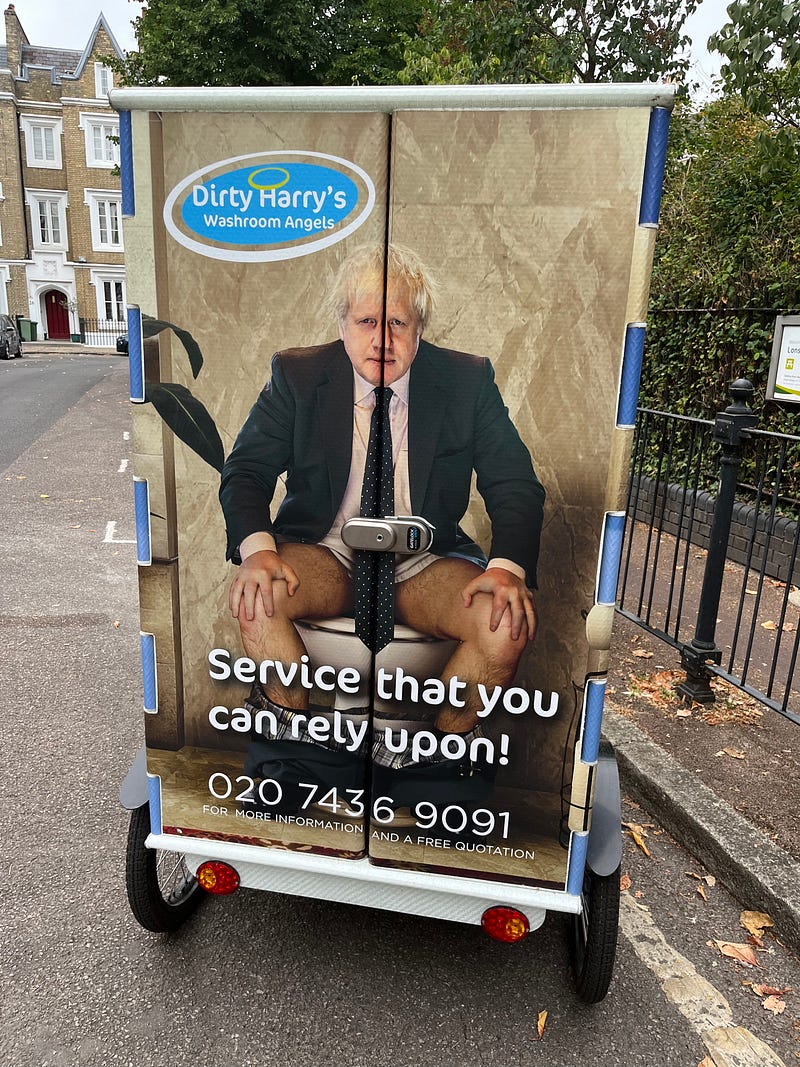
After two years of living in London and a six-week visit last summer, I noticed a few less spoken-of but fundamental differences between England and the U.S.
While not as essential as, say, free healthcare all British citizens enjoy, these distinctions still point to a more lighthearted attitude towards life which I miss back home in the U.S.
Here are a few of such differences.
1. Happy drinking
Nothing helps you to blow off steam better than a good drink. And boy, do we have steam in America. Yet when it comes to alcohol, among other things, we are prudes.
What is it about drinking that we find so shameful? Does it smell of socialism? First, you’re having a beer in the park, next you’re demanding free health insurance.
Surely, in a country where a person can drive a car at 16 and buy a gun at 18, they should be able to get a beer to celebrate their new toy. Yet our legal drinking age remains the greatest American hypocrisy.
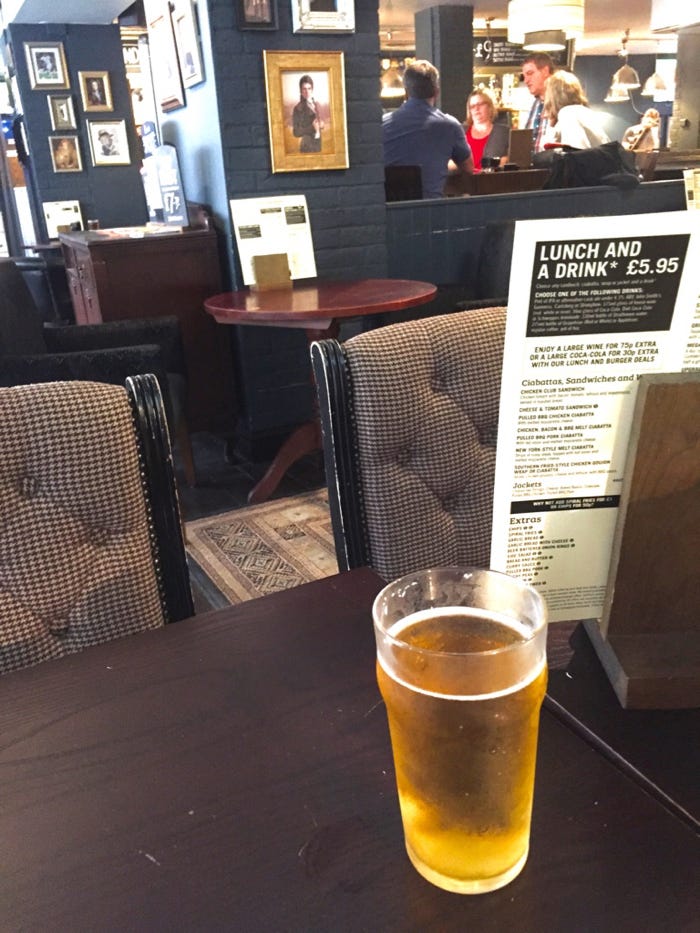
England, on the other hand, enjoys a healthy relationship with alcohol. Maybe not in the literal sense but in the enjoying-life one.
While drunk urinating-in-the-streets teenagers is not something I miss about living in London, the freedom to enjoy a drink whenever and wherever I want is. Walk through the city at 5 PM and you’ll see bars crowded inside and out, with co-workers enjoying a drink or many at the end of the day. You gotta see it to believe it.
When ordering a beer with your lunch is a menu special, you know you’ve come to a non-judgmental place. What might have you labeled as an alcoholic in the United States is simply a way of life for many Brits.
A nation that doesn’t enjoy a drink is a nation that takes itself too seriously. Let’s lighten up and get drunk, America.
2. Dirty words
For all the Englishmen’s reputation for being uptight, I found them to be some of the silliest and jolliest people I’ve ever met. While they may not be ready with a smiley hello and upbeat small talk, get to know them, and you’ll see a nation quick to poke fun of themselves, tell a naughty joke, or have a gin & tonic for lunch.
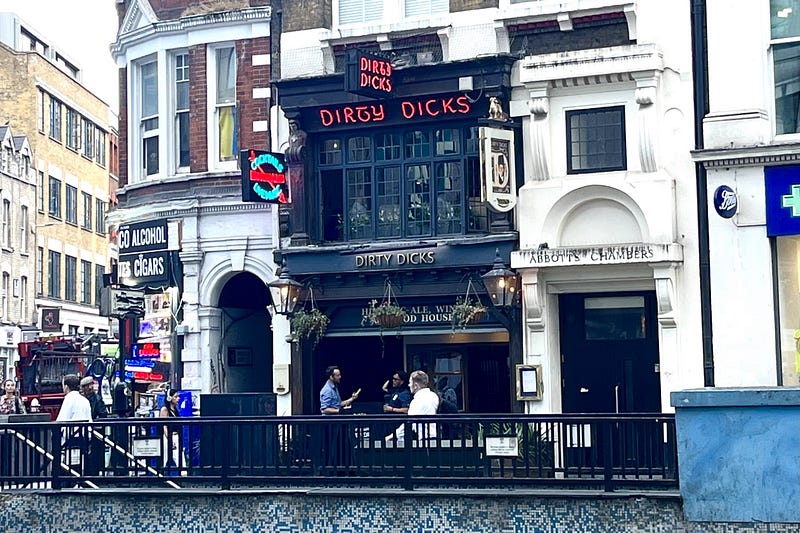
And how can you not love a country where it’s perfectly okay to have a pub named “Dirty Dicks” or “The Famous Cock”? I can imagine scandalized American parents covering their kids’ eyes upon seeing such “inappropriate” signs. “Lighten up!” I would say and head over to “Filthy Fanny” for my lunch pint.
3. (Self-deprecating) humor
We like to tell jokes in America. But for all of our sitcoms, late-night comedy shows, stand-up comedy, and what have you, we as a nation have no sense of humor. It’s not something I ever gave much thought to until I moved to England and learned that humor, too, can be a national treasure.
Subtle, dry, and self-deprecating British humor might not be as pompous and punch-line driven as its loud American cousin, but it packs a stronger punch.
Whether it’s an Oscar-acceptance speech or a train announcement, modest and never-boastful Brits don’t seem to take life, or themselves, too seriously — something we in America do oh so well.
4. Kids on leashes
While walking around London with our just-turned-two-year-old, I paid attention to how local parents navigated the busy streets with toddlers in tow. One of the things that stood out to me out was how many of them used child leashes to keep their little ones close by.
It’s not that the idea never occurred to me before. But I don’t remember seeing a device like that used in our neighborhood back home. From what I remembered, child leashes were hated in the U.S. because they “restricted a child’s freedom.” And anything that interferes with our liberties has no place in America.
Yet when I watched my fast-running toddler sprint down the London sidewalk as the cars whizzed by, I couldn’t help but wonder if a leash was such a bad idea. In line at the London Zoo, on my daughter’s second birthday, I caved in and bought her a tiny adorable backpack that had a detachable leash. In a crowded zoo, it seemed like the best solution.
Yet by the time my daughter got used to wearing her backpack, we were back in Los Angeles and the handy little lead remained unused. While I don’t see a problem with the occasional use of such a safety device, I can’t stand the thought of glances or, even worse, lectures coming from fellow Americans.
5. Dogs without leashes
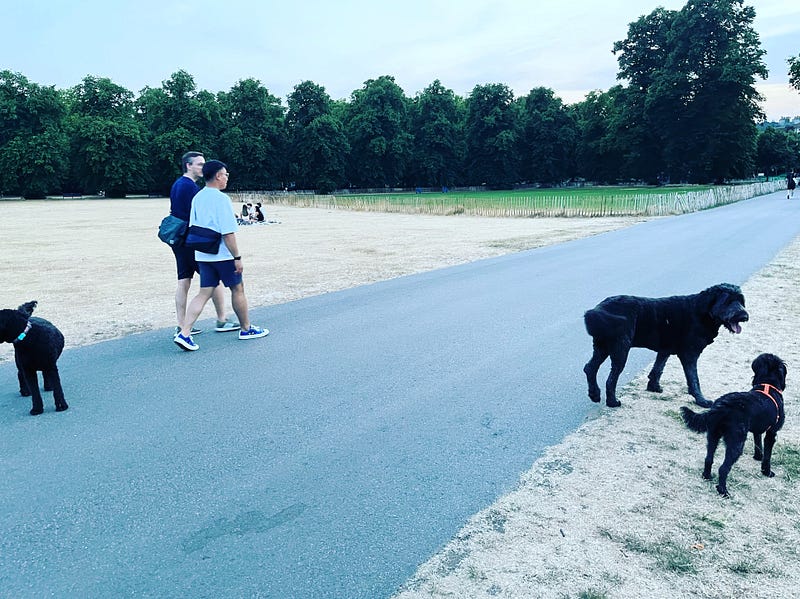
While child leashes seem popular in England, their dogs remain leash-free. They also remain the best-behaving dogs I’ve ever seen in my life. Due to either early off-leash socialization or the calmness of their owners, almost every dog I’ve met in London had the manners I could only dream of.
Failing to control your pet off-leash could raise a few eyebrows among the locals. I remember neighbors gossiping in the park nearby my flat in London referring to a woman who never took her dog off leash: “She must have issues.” I wasn’t sure if they were referring to the dog or the owner.
Can it be that it’s our collective anxiety that’s contributing to the anxieties of our dogs in America? Do we project our own fears onto our pets, or find it easier to control with force rather than voice? One day, I’ll have all the answers. For now, I can only attest that we do have some of the world’s most stressed-out dogs.
While a pub name with the word “cock” in it might not seem so significant to most, to me, it’s right up there with free health care. After all, a society that doesn’t take itself too seriously is a healthier one.
Subscribe to my newsletter: Danish Secrets to a Better Life (In the U.S.)


