
5 Most Unusual Beauty Trends In History
From Victorian piercings to Renaissance foreheads
Fashion trends are like a colorful, ever-changing tapestry through history. They tell us so much about the times and cultures they come from. Some trends might seem strange to us now, but they were all the rage back in their day.
From the elaborate dresses of the Victorian era to the bold styles of the 1960s, each period had its unique flair. Each era had its own version of what was ‘in,’ and these trends weren’t just about clothes.

The Surprising World of Erotic Piercings
The Victorian era often brings images of strict social norms and modest clothing to mind. However, beneath the surface of this reserved society, there was a surprising practice: erotic piercings. While we usually picture Victorians in layers of clothing, some wealthy women and men were actually enjoying the thrill of nipple and genital piercings.
This trend was a well-kept secret among the upper class, breaking the stereotypes we often have about the conservative Victorian lifestyle. The most notable piercing from this time is the Prince Albert, a type of genital piercing. Rumors suggest that even Prince Albert, Queen Victoria’s husband, might have had this piercing. The idea was that it helped men wear tight trousers that were fashionable and more comfortable.
For women, nipple piercings were sometimes connected with a chain, adding a hidden element of allure and sensuality. These piercing practices show a hidden side of Victorian life, revealing that even in times known for their strict morals, people found ways to express themselves unexpectedly and intimately.
Ancient Greece’s Unique Beauty Standard
In ancient Greece, having a unibrow was not just acceptable. It was actually a beauty trend that everyone admired. Unlike today, where people often pluck and shape their eyebrows, the Greeks believed that a unibrow was a sign of intelligence and purity. Women with naturally connected eyebrows were especially proud, and those who didn’t have a natural unibrow would use coal to draw one.
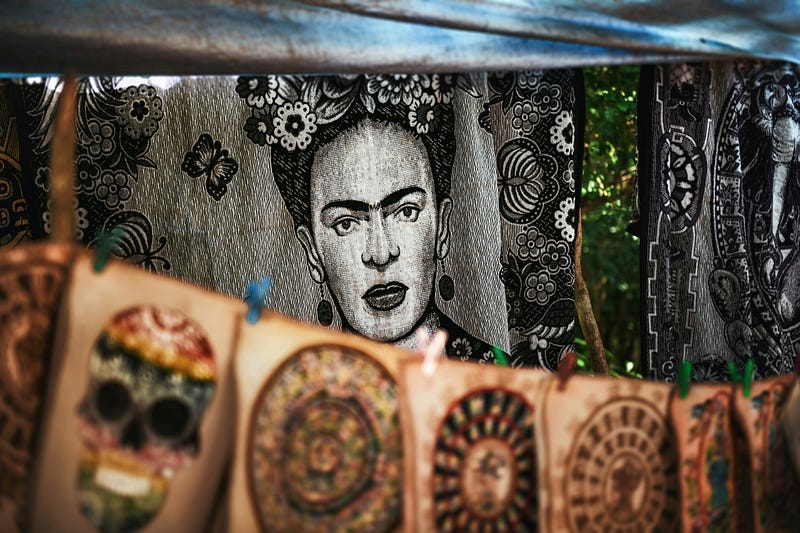
This bold unibrow style set the beauty standards of the time, showing that what people consider beautiful can really vary from one culture to another. The Greeks’ love for the unibrow also tells us something important about how they saw beauty. They didn’t just focus on someone’s looks. Instead, they connected physical features like the unibrow to deeper qualities like wisdom and innocence.
Cleavage and Complexion in the 17th Century
The 17th Century was a time when fashion took a bold turn, especially for women. One of the biggest trends was showing off cleavage. Dresses with low necklines were all the rage, making the bust a focal point of a woman’s outfit. But it wasn’t just about showing more skin. There was also a craze for extremely pale skin.
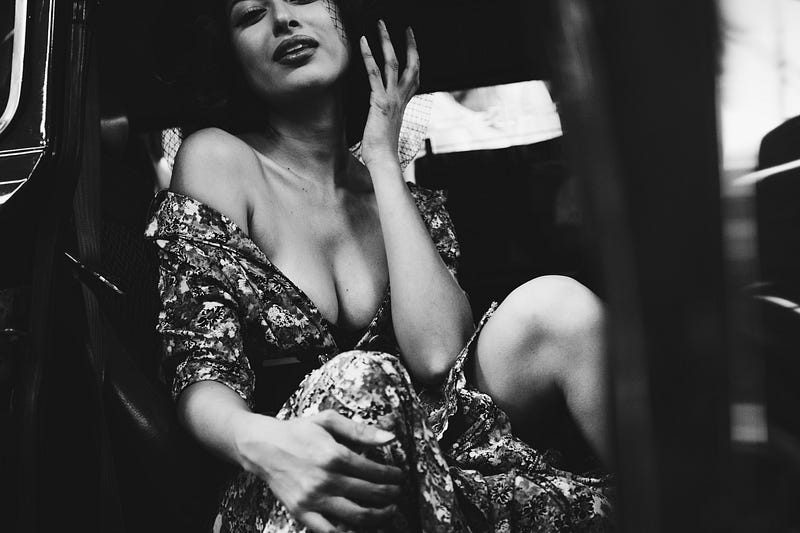
This pale look was a sign of wealth and status. It meant you weren’t working outside in the sun but living a life of luxury indoors. Women went to great lengths to achieve this look, often staying out of the sun and using makeup to appear even paler.
Along with the pale skin, there was another unusual trend: women would draw blue veins on their chests. This was to make their skin look even more translucent and delicate. It might sound strange to us now, but these blue veins were considered the height of beauty and elegance back then.
From Renaissance Gummy Smiles to 18th Century Beauty Patches
During the Renaissance, beauty standards had a unique focus on teeth, specifically, short teeth and gummy smiles. This might sound odd today, but back then, showing off a lot of gums when you smiled was considered very attractive. Women would strive to have this look, as it was a big part of what people thought was beautiful.
In the 18th Century, another interesting facial fashion came into play: beauty patches. These were small pieces of fabric that women stuck on their faces. They weren’t just for hiding blemishes or scars; they became stylish accessories. These patches came in different shapes, like stars or circles, and where you placed them on your face could even send a message. For example, a patch near the mouth might mean you’re flirtatious.


