
5 Jews Hitler Actually Liked
A doctor, a little girl, and a businessman
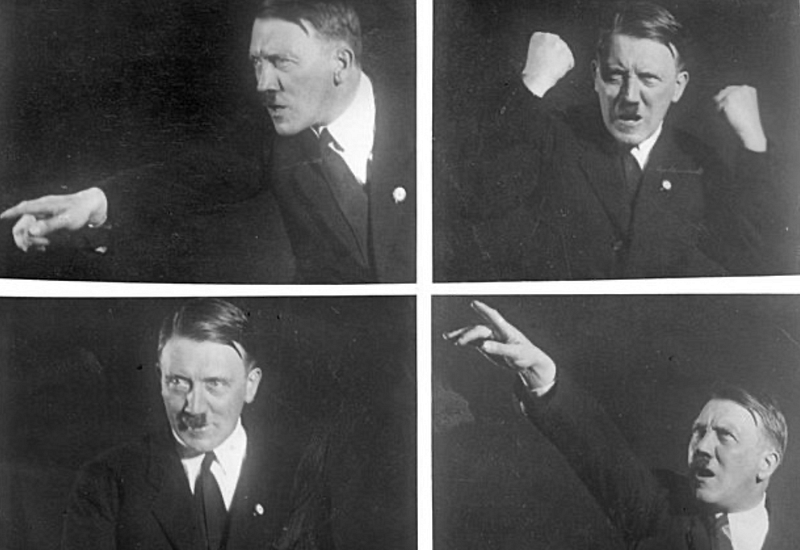
In 1908, Vienna saw a new face: Adolf Hitler.
Hitler was just an 18-year-old aspiring artist. However, he aspired more than he actually worked. According to his friend Reinhold Hanisch, Hitler was a lazy night owl, never got a regular job, or finished a project.
Surprisingly, during this time in his life, Hitler also had extremely good relationships with Jewish people. At his house in Vienna, almost all of his friends were Jewish, with Josef Neumann being the closest.
And when Hitler took over Germany, he spared some of his old Jewish friends, kept some in his party, and even formed new friendships.
1. Eduard Bloch
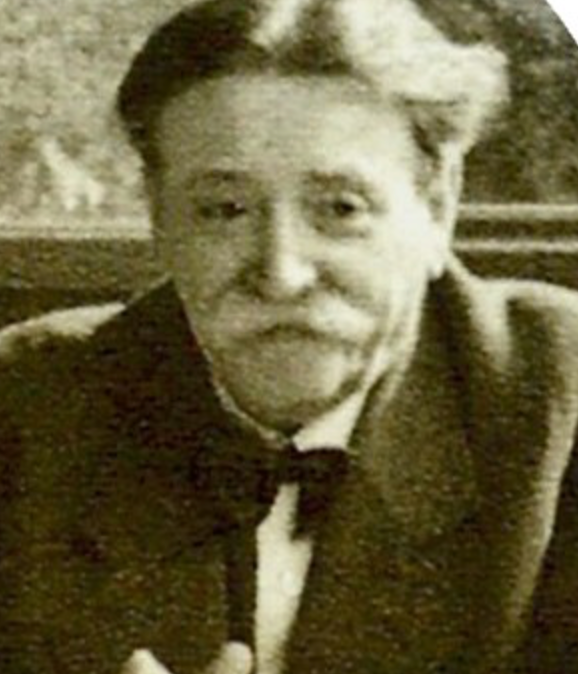
Eduard Bloch was Hitler’s family physician. In March 1907, Bloch took care of Hitler’s mother Klara, who had cancer. While Bloch was treating Klara, he charged minimum fees or even treated her for free. But in the end, Bloch couldn’t save Klara. After she died, Bloch and Hitler kept in touch. Due to Bloch’s generosity, Hitler stated, “ If all Jews were like him, there would be no Jewish question.”
When Hitler came to power, Bloch didn’t have to wear yellow stars, could sell his house at regular value, and was allowed to travel throughout Europe. However, with anti-Semitism rising in Germany, Hitler allowed the Bloch family to immigrate to the United States. Still, there was a catch: Bloch had to create a positive image of Hitler.
So, when he landed in America, Bloch told the OSS (Office of Strategic Services), the predecessor of the CIA (Central Intelligence Agency), that Hitler was a young, good boy who loved his mother. Hitler loved reading novels, specifically Fenimore Cooper and Karl May, and loved history.
Bloch would die in New York in 1945.
2. Helmuth Wilberg
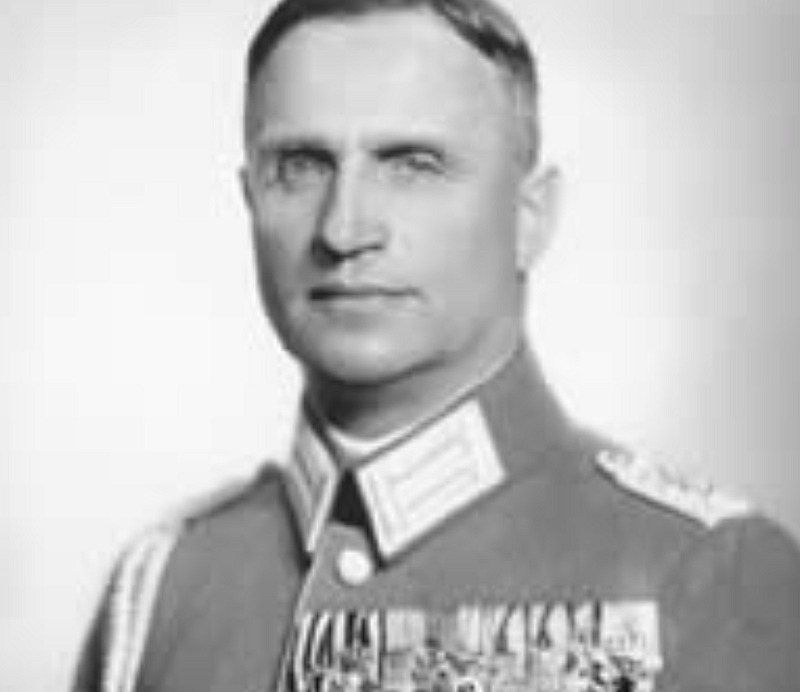
Lt. Gen. Helmut Wilberg was the Luftwaffe’s — the Nazi air force— master planner, organizer, and strategist. He emphasized superior technology, battle-tested tactics, superb logistics, and surprise to crush the Nazi’s enemies.
As the Nazi air force crippled its enemies, they continued to use Wilberg’s tactics: rapid techniques for spotting enemy anti-aircraft positions, flexible airplane formations, and prevention of friendly-fire accidents.
Even though Wilberg was a genius in air warfare, there was one small problem. Wilberg’s mother was Jewish, which made Wilberg himself half Jewish. Still, he was simply too valuable, so Hitler personally “Aryanized” him.
He would die in a plane crash in 1941.
3. Rosa Bernile Nienau

Rosa Bermile Nienau and her mother Karoline met Hitler outside his Alpine retreat in 1933. When Hitler discovered he and Rosa had the same birthday, he invited her to his house and took propaganda pictures together. Hitler then developed a close bond with the girl. But it turned that Karoline was Jewish.
Nonetheless, Hitler continued to be friends with Rosa. She would write to Hitler around 17 times between 1935 and 1938, until Martin Bormann — Hitler’s private secretary — told Rosa and her mother to cut off contact.
Surprisingly, Hitler replied, “There are people who have a true talent for spoiling my every joy.” Rosa wouldn’t survive the war, dying from poliomyelitis at the age of 17 in a Munich hospital.
4. Emil Maurice
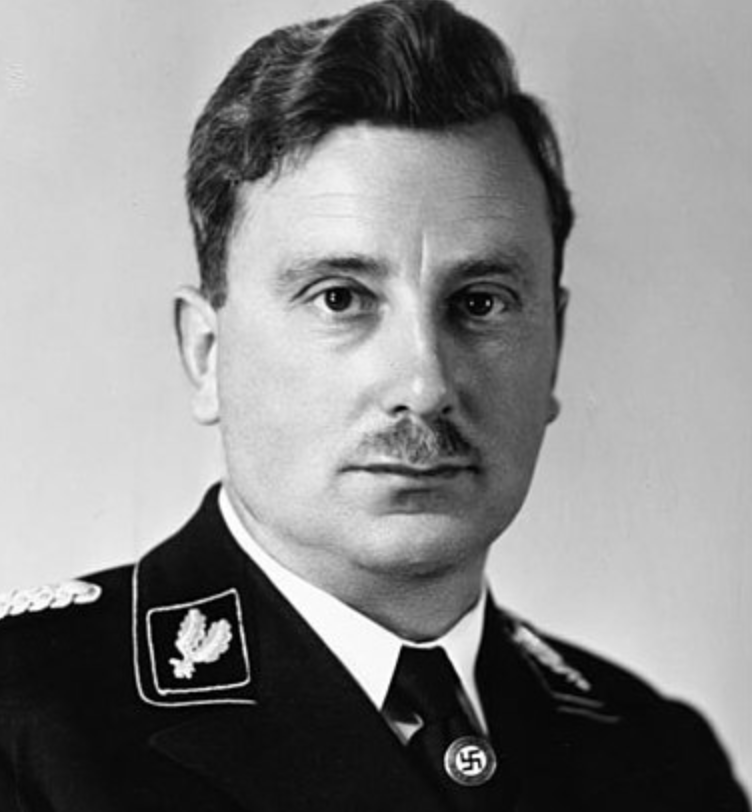
In Hitler’s early career, Emil Maurice was his right-hand man. In 1921, he was Hitler’s personal chauffeur and served alongside him during the Beer Hall Putsch. After being released from prison, Maurice served as Hitler’s permanent personal chauffeur from 1925.
Heinrich Himmler, the leader of the SS, later found Maurice had Jewish ancestry. But considering how much Maurice had done for Hitler, he pardoned Maurice and his brothers. Maurice would become a senior SS officer in 1932.
He later survived the war and died in 1972.
5. Samuel Morgenstern
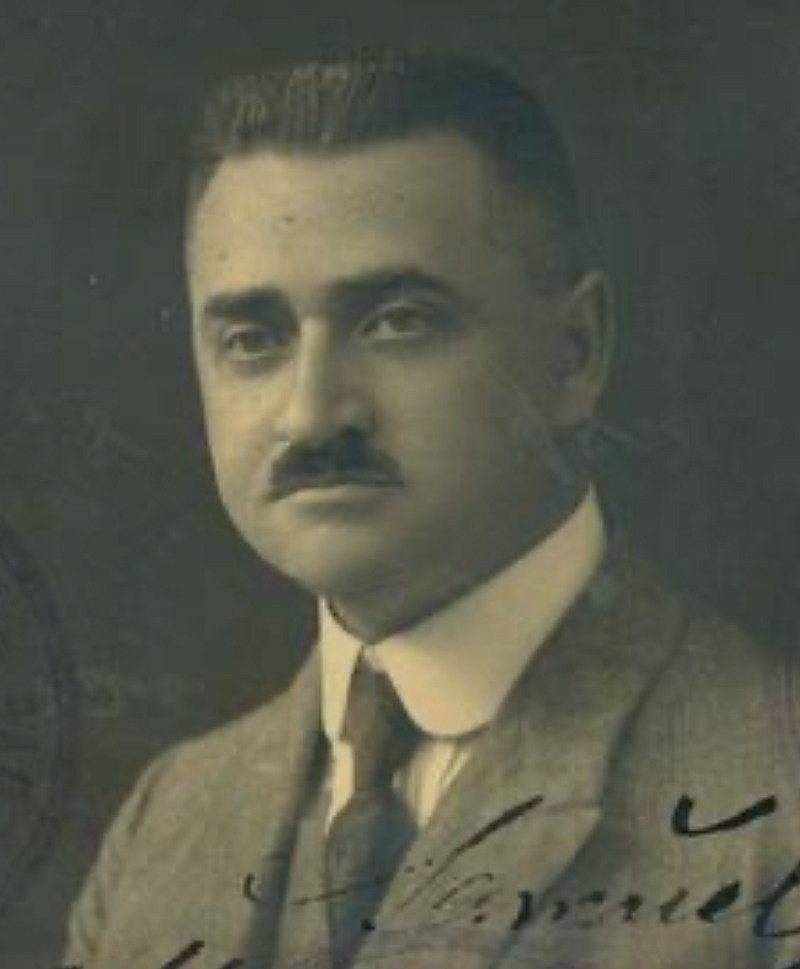
Samuel Morgenstern was a glazier, a World War I veteran, and Hitler’s early business partner. In 1911, Hitler came into Morgenstern’s store to sell his paintings, and the two established a very friendly business relationship. Morgenstern was the first person to buy Hitler’s paintings for a good price. He also never cheated Hitler, who was really poor at the time.
When the Nazis took over Germany, Morgenstern lost his businesses, as the country began “Ayranizing.” As Morgenstern lost his income, he couldn’t afford to leave the country. So he wrote to Hitler asking for a pardon. Unfortunately, the letter never got to Hitler. Instead, it was mailed to the Finance Ministry, where it was forgotten for fifty-six years.
In the end, Morgenstern and his wife Emma were deported to the Jewish ghetto. Samuel Morgenstern would die in the Litzmannstadt ghetto in 1943.
Hitler’s New Laws: Anti-Semitism
In 1935, Hitler and his Nazi party created the “Jewish Mischlinge” into a legal category, which defined Jewish people as having one or two “full-Jewish grandparents.” Marriage to a Jewish person also led to the reclassification as a Mischling. With the establishment of the Nuremberg Laws, the Nazis escalated the persecution of the Jewish people.
However, at the same time, Hitler’s own friendships with Jewish people created a sort of irony. Many Jews helped Hitler during his life, and now he was persecuting these same people — eventually leading to the deaths of millions of Jews.
Sources:
Pegelow, T. (n.d.). Determining ‘People of German Blood’, ‘Jews’ and ‘Mischlinge’: The Reich Kinship Office and the Competing Discourses and Powers of Nazism, 1941–1943. Contemporary European History, 15(1).
Hamann, B. (2011). Hitler’s Vienna: A portrait of the tyrant as a young man. London: I.B. Tauris.
Hamilton, C. (1984). Leaders and personalities of the Third Reich. San Jose, CA: Bender.
Kerrigan, M. (2017). Hitler: The man behind the monster. London: Amber Books.
Chan, A. (2019, February 12). The Jewish General Behind the Luftwaffe. Retrieved January 20, 2021, from https://www.historynet.com/jewish-general-behind-luftwaffe.htm
News, B. (2018, November 13). Remarkable tale of Hitler’s young Jewish friend. Retrieved January 20, 2021, from https://www.bbc.com/news/world-europe-46192941
Hamann, B. (n.d.). Jews in Vienna. Retrieved January 21, 2021, from http://www.porges.net/JewsInVienna/6TwoExamples.html
Explained, H. (n.d.). Oppression. Retrieved January 24, 2021, from https://www.theholocaustexplained.org/life-in-nazi-occupied-europe/oppression/anti-semitic-laws/


.jpg)

