
5 Investments That Cost Less Than $100 to Improve Your Sleep Quality
Small investments to give you big gains in your sleep

If I could offer you a free drug that dramatically improved your concentration, cognitive performance and happiness without any adverse side effects would you take it?
Well, I’ve got just the drug for you: sleep.
Sleep is the productivity wonder drug. Widely available. Free. No Side-effects. Evolutionarily designed for humans.
Win, win, win.
As our economy is primarily knowledge-based, our ability to get a good night’s sleep is getting more valuable as it is getting less common.
A good night of sleep aids cognitive function. And our ability to perform high-level cognitive functions is a neuro-currency more valuable than cryptocurrency.
But we are sleeping less as a society and we are worse off for it.
The creep of longer work hours and the invasion of smart devices in our homes is squeezing our opportunities for good sleep.
According to the Sleep Foundation, 35.2% of all adults in the United States report sleeping less than the recommended 8 hours per night.
Sleep Expert Matthew Walker says that sleep has slowly been eroded by society our the last 60 years and we are all worse off for it.
A chronic lack of sleep is a major predictor of all-cause mortality such as cancer, heart disease, depression and stroke.
There is no getting around it:
The shorter you sleep, the shorter your life span.
Here are five investments I’ve made that have helped me sleep better.
Blue Light Blocking Glasses
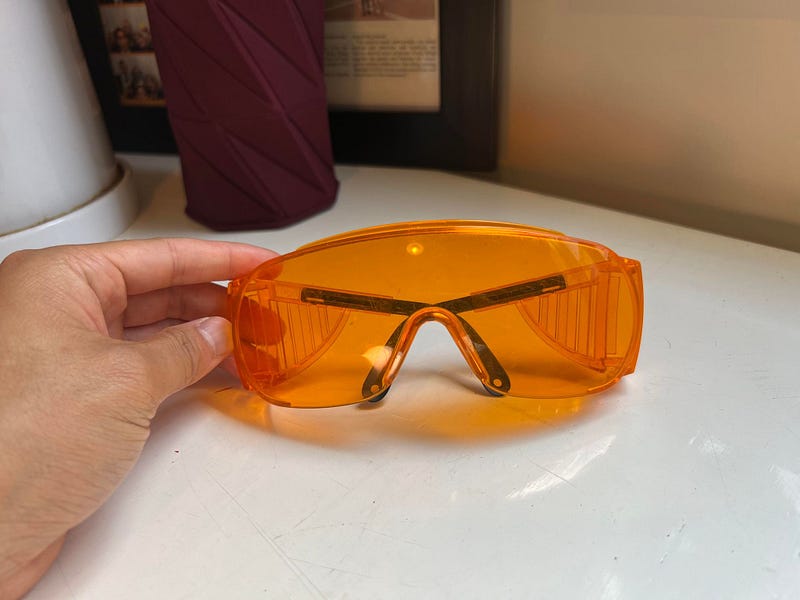
Exposure and regulation to light prime our bodies for sleep.
The blue light that glows from our smart devices can delay the secretion of the sleep hormone melatonin.
Too much blue light and you are effectively making yourself jet-lagged, with the onset of melatonin mimicking a different time zone.
Limiting and managing blue light can help aid your sleep.
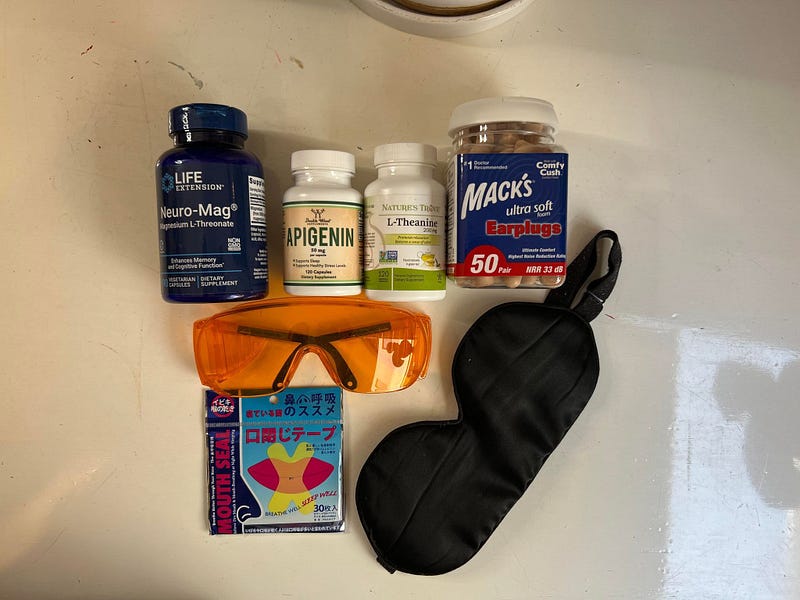
I would say avoid all blue light in the evening if possible, but if you’re like me and can’t avoid devices post 7:00pm, I wear blue light blocking glasses (pictured below).
Yes, I look like an idiot. And yes, my sleep quality is a lot better.
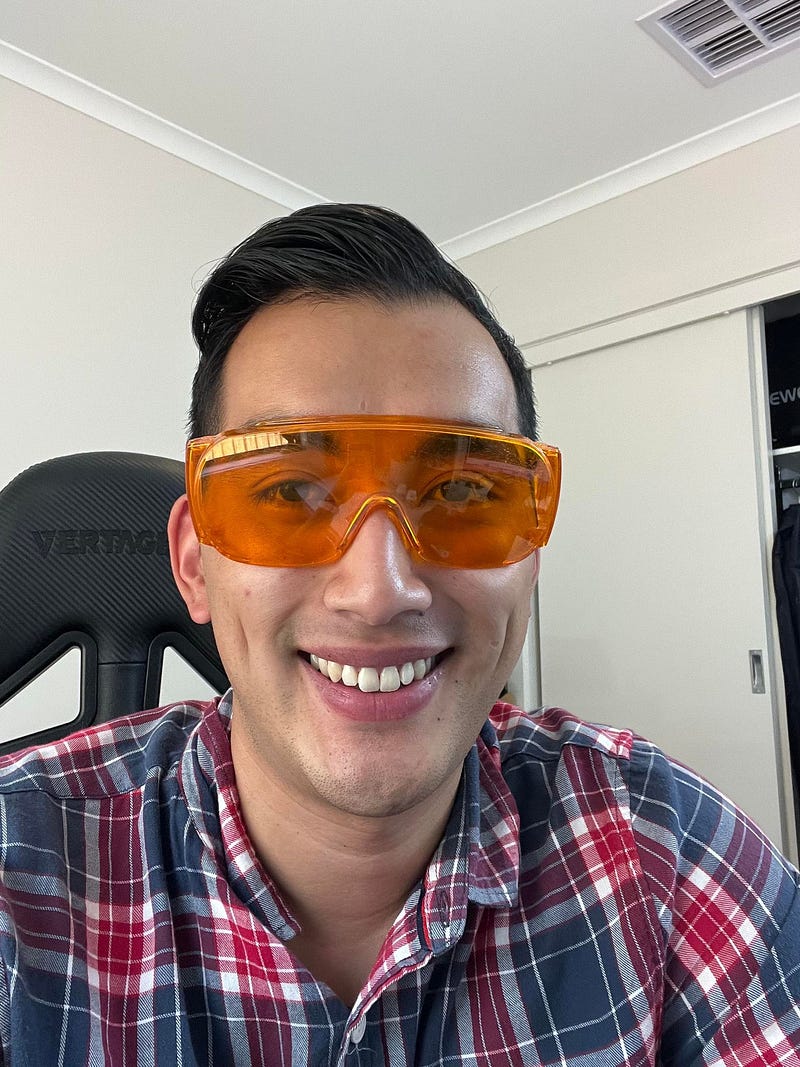
I bought my glasses a couple of years ago. Nowadays you can get some really trendy glasses that won’t offend 80% of the population like mine.
I have the added benefit of laughing at myself every time I wear them. Helps to keep me humble. Which is good for the soul and ego.
If you want to watch TV, use your phone or are surrounded by bright light, blue-light blocking glasses will do wonders for your melatonin secretion and sleep. Looking a bit silly is a small price to pay for a better sleep.
Investment: $50
Mouth-Tape
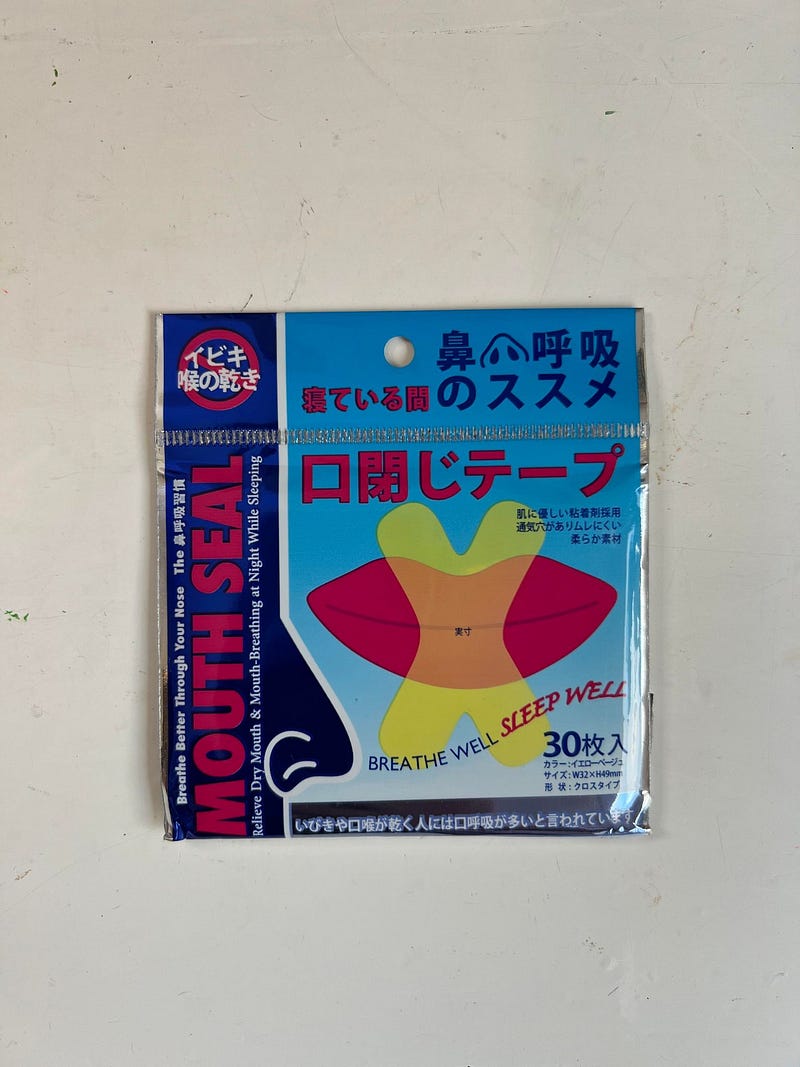
How we breathe during sleep determines sleep quality. And breathing through our mouths is terrible for our sleep.
This is probably the weirdest investment I’ve made but ever since reading James Nestor’s book Breathe in 2020, I don’t sleep without taping my mouth every night.
Waking up with a bone-dry mouth and downing 30 litres of water in the middle of the night is not normal. No amount of snoring is normal either. Your body is not designed to process raw and unfiltered air for 8 hours every night.
Now, you’re probably picturing some hostage-like duck tape around my mouth. Rest assured you can get some and gentle tape for the mouth that won’t rip your lips off (see below).

After a year or so of consistently taping my mouth, I can tell the difference in my sleep quality when I don’t tape my mouth. If I don’t tape my mouth, I wake up groggy and it takes me longer to get moving.
It takes a while to get used to but now I can’t imagine not taping my mouth when I sleep.
Investment: $15 for a pack of 30.
Eye-Mask and Ear Plugs
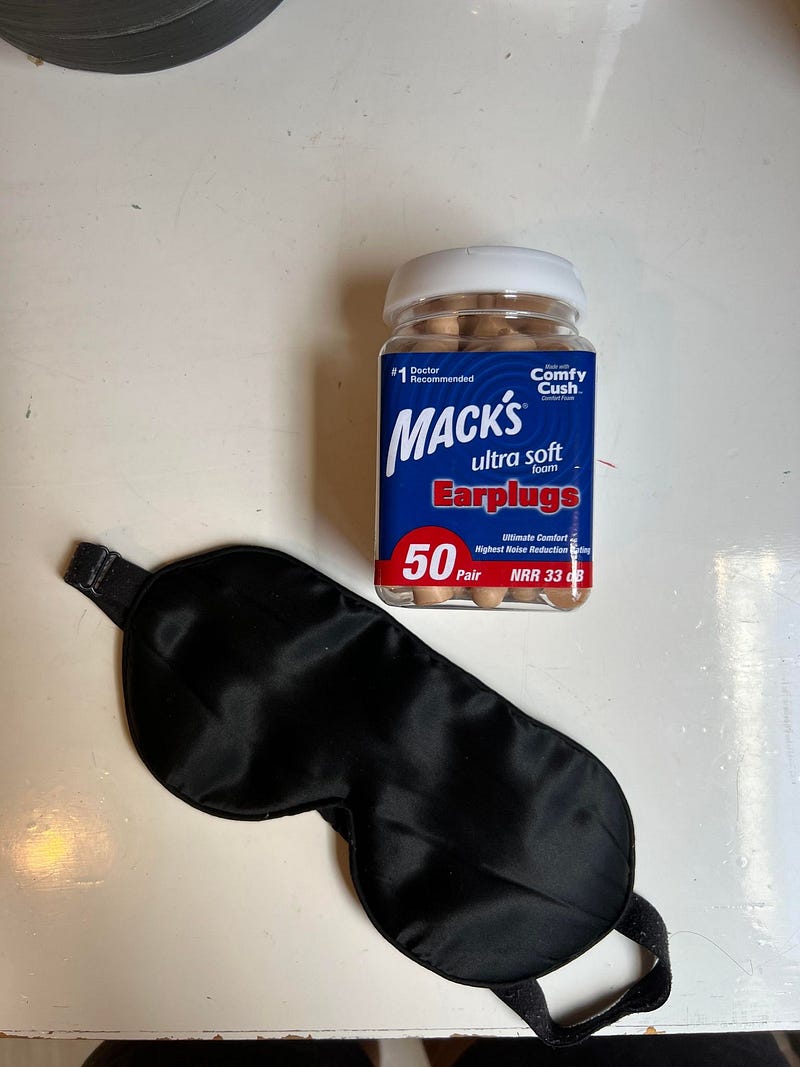
If you live near a busy street with light and noise pollution, an eye mask and earplugs are a must-have.
I don’t have to do too much explaining here. Don’t let your noisy neighbor or a barking dog wake you up from your beauty sleep. You deserve better.
Any earplugs will do so use price to determine what you buy.
I’ve recently tried the Alaska Bear Natural Silk Sleep Mask (not an affiliate link). I like it because it is adjustable for my big and odd-shaped head. Also feels super soft on my face while I sleep.
Investment: $20
Non-Melatonin Supplements:
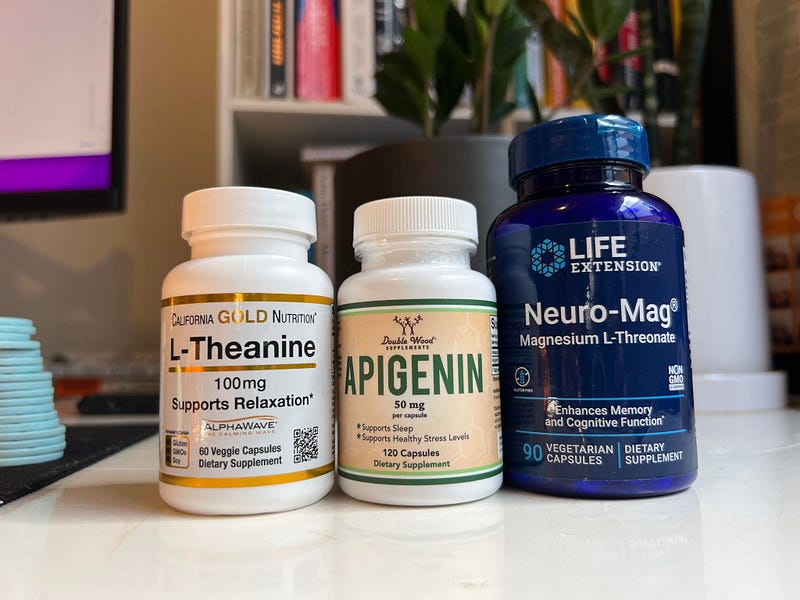
I’ve been using a trifecta of non-melatonin sleep supplements recommended by Dr. Andrew Huberman.
Please consult your doctor before taking anything. It should be clear to most of you that I am not a doctor and you shouldn’t take medical advice from strangers over the internet.
- Magnesium Threonate (not an affiliate link)
- Apigenin (not an affiliate link)
- Theanine (not an affiliate link)
In combination, these supplements help me to switch off those ‘running thoughts’ after a long or stressful day.
As a classic overthinker, this has been a godsend for managing stress and anxiety during busy periods at work and in life.
I’ve found that when I take these supplements I sleep better and sleep longer. I don’t tend to wake up in the middle of the night anymore. And I drift off to sleep faster.
The best part is that they aren’t habit-forming either. I don’t usually take them on the weekends and if I don’t feel particularly stressed or anxious during the week, I won’t take them at all.
I don’t really know how to explain the exact science behind it but here is a good video to watch by Dr. Andrew Huberman.
Investment: $120 (if you take the full supplement stack)
Sleep Hygiene Behaviors:
The most important predictor of good sleep is your set of behaviors.
Here is a quick list of rules I live by to give me the best chance of good sleep.
- Getting sunlight early in the morning combined with a walk or a run. The exposure to light and increase in heat helps my body wake up properly. A good night of sleep begins with what you do in the morning every day.
- Watching the sunset to prime your brain. Again exposure to natural light cycles helps your brain prepare for sleep and relaxation. Also, sunsets are beautiful so why not watch them.
- Regular exercise and daily meditation. Pretty self-explanatory.
- No caffeine after 2:00 pm. Caffeine has a half-life of up to 10 hours. Saves your wallet and improves your sleep.
Investment: $0
Effort: 8/10
Summary:
The quantity and quality of your sleep will determine the quantity and quality of your life.
The research is out. Sleep is no longer negotiable. It is the foundation for good health, productivity and quality of life.
Use these tips, tricks and tools to get a better night of sleep.

You just read another post from In Fitness And In Health: a health and fitness community dedicated to sharing knowledge, lessons, and suggestions to living happier, healthier lives.
If you’d like to join our newsletter and receive more stories like this one, tap here.


