
5 Hooks I Use To Consistently Steal Attention
Get your writing read, with these 5 tips

When attempting to create content that captures the reader, and makes them click on your article, there is one thing that stands above the rest in importance.
A good hook.
Your hook, on Medium, is your title.
You have to convince people to read your blog post based on your title, and the picture too.
If your writing doesn’t appeal to them, they will continue to scroll.
So what hooks do I use, that have gained me 8,800 views in December alone?
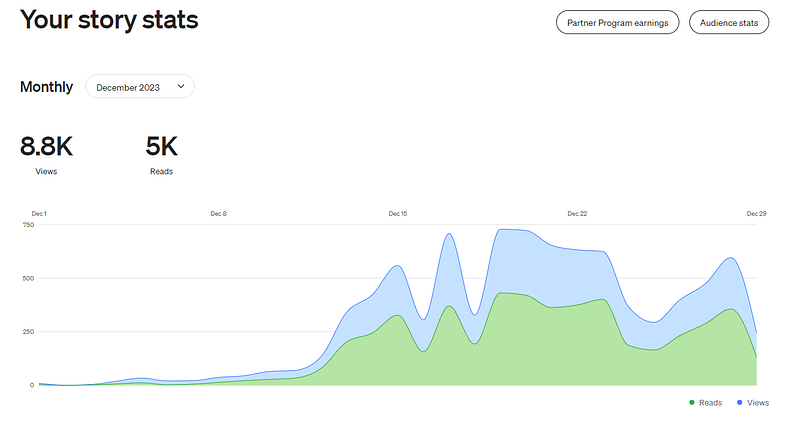
Statistic Hook

A statistic hook is focused on drawing the reader in using some form of statistic, percentage, decimal, or number.
This is often confused as a quotation hook, the key difference between the two is that a statistic hook has some sort of number, figure, etc, attached to it.
Example: ‘According to the NHS, every year, 76,000 people die from smoking in the UK’.
A stat like that is quite fearful, provoking a reaction from the person reading to continue with the piece to see more information.
This hook is often paired with shocking figures that make people continue reading because of the alarm bells ringing in their heads after seeing it.
Statement Hook

A statement hook will make a claim, or declaration about the topic being discussed.
The statement hook is perfect for getting the reader's attention, because even if they disagree with the statement they will read it.
Read this example, you will either nod your head, or scoff, but either way, the author now has your attention.
Example: “Vegans are the healthiest group of people in the world”.
This is quite a bold statement that captures attention by adding controversy to the piece, some people will agree and continue reading to see this statement backed up by evidence, while others will read to try and disprove the work, or potentially have their mind changed by the author.
Quotation Hook
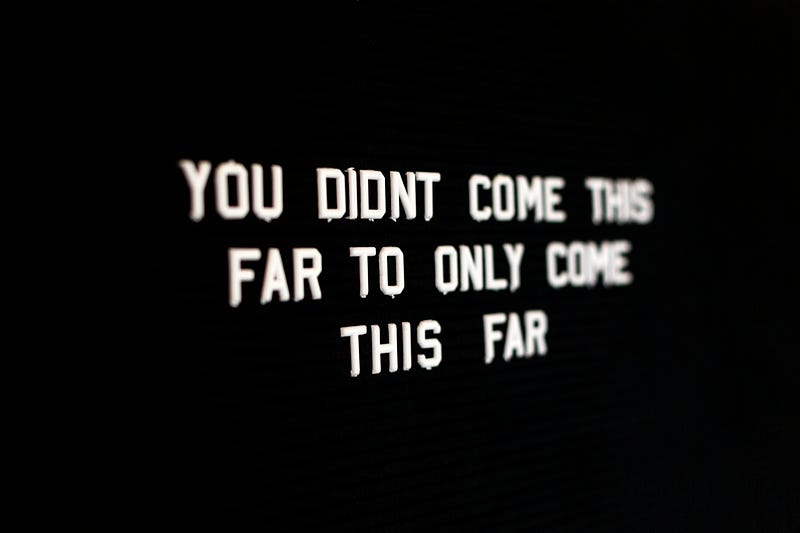
A quotation hook aims to engage the reader by giving them an interesting perspective, in just a few words.
People love quotes, (statement hook there if you have been paying attention), and as such using one to pull readers in is a great way to grab their attention.
Example: ‘What we think, we become’ — Buddha.
This would be a great quotation hook to begin a piece of work involving the self-improvement niche, it is simple in structure, but its meaning is immensely powerful.
Question Hook
A question hook is primarily focused on… you guessed it, asking the reader a question.
This helps to massively engage the reader as it feels personal, as if they are having a conversation with the author.
The question of course relates to the topic being covered, but is usually something either specific or broad, there isn’t much middle ground.
Example: ‘Not happy with what you see in the mirror?’
This would be a great hook to start a piece of work around the subject of weight loss.
Experience Hook

An experience hook is usually opening an article that will attempt to teach the reader something, based on the experience of the author.
Often there will be a number attached, how I got X in X amount of days.
Real numbers from real examples bring the reader in knowing that the information isn’t secondary research, but primary and they trust it.
This article is an example of this type of hook, and many of my other blog posts are too!
Thanks For Reading

Follow for more!
And join The Fabledwords newsletter for writing and personal brand advice.
(P.S. Free email course coming in 2024 to help you make your writing legendary, turn your words into income with Fabledwords).
Until next time,
Jeff.


