avatarDRM

Free AI web copilot to create summaries, insights and extended knowledge, download it at here

3261

Abstract

t soil outside. Water regularly, but don’t keep the soil sopping wet or the root will rot. Ginger needs warmth but also likes afternoon shade to keep the leaves from drying out. Unless you live in a tropical climate, the plant will die in the winter. For this reason, planting in pots is preferred.</p><figure id="5fa4"><img src="https://cdn-images-1.readmedium.com/v2/resize:fit:800/1*EZM35DLNgaTbMRdHQdTToA.jpeg"><figcaption>Photo by <a href="https://www.pexels.com/@alesiakozik?utm_content=attributionCopyText&amp;utm_medium=referral&amp;utm_source=pexels">Alesia Kozik</a> from <a href="https://www.pexels.com/photo/sliced-white-potatoes-on-brown-wooden-chopping-board-6128866/?utm_content=attributionCopyText&amp;utm_medium=referral&amp;utm_source=pexels">Pexels</a></figcaption></figure><p id="92db">3. <b>Chickweed/fennel/flax.</b> <b><i>Hunger control</i></b>. Fennel is a bold herb with feathery leaves and a strong anise (licorice) flavor and smell. Fennel is a remedy for a number of digestive issues. It is very easy to grow, and will produce rampantly with little effort. Fennel comes in bulb and herb varieties; grow the herby-type from seeds sown directly into the ground. Choose a sunny spot (it grows great where tomatoes grow), plant in shallow trenches, and keep moderately moist. Tea is usually made from the seeds, so let the plant grow, flower, and set seed. Keep fennel away from dill or cilantro as they all love to cross-pollinate, which will affect flower/seed production and flavor. Dry the seeds, grind, and use a tablespoon or two at a time to brew a flavorful tea. It is best to boil the water separately then pour it over the seeds in a tea strainer or cup. Boiling the seeds themselves causes much of the essential oils (and therefore the nutrients and flavor) to be lost. Add a tablespoon of purchased and ground flax seeds. Allow seeds to steep 5–10 minutes, then strain.</p><figure id="dc7e"><img src="https://cdn-images-1.readmedium.com/v2/resize:fit:800/1*byTHHXYdAMFOOllPagjuUg.jpeg"><figcaption>Photo by <a href="https://www.pexels.com/@fabien-burgue-1052232?utm_content=attributionCopyText&amp;utm_medium=referral&amp;utm_source=pexels">Fabien Burgue</a> from <a href="https://www.pexels.com/photo/green-grass-hd-wallpaper-2083502/?utm_content=attributionCopyText&amp;utm_medium=referral&amp;utm_source=pexels">Pexels</a></figcaption></figure><p id="7212">4. <b>Wheatgrass/cayenne/ turmeric.</b> <b><i>Colon cleanse</i></b>. Wheatgrass is nothing more than ordinary young wheat plants that are harvested before they develop grain heads. Organic unground wheat grains can be planted in shallow pots or grown hydroponically. Harvest when the plants reach about 8 inches in height. Snip into small pieces and use in a tea strainer or a muslin bag by pouring boiling water over the stems and allowing it to steep 5–10 minutes. Add 1/8 teaspoon of turmeric and dried ground cayenne to taste. Wheatgrass acts as a diuretic, while cayenne and turmeric increase metabolism and decrease inflammation. By itself, turmeric is poorly absorbed in the body; cayenne or black pepper helps it to be absorbed better.</p><figure id="9fd6"><img src="https://cdn-images-1.readmedium.com/v2/resize:fit:800/0*VX-0DY-Jgrv_Ze7Z"><figcaption>Photo

Options

by <a href="https://unsplash.com/@foodbymars?utm_source=medium&amp;utm_medium=referral">Alison Marras</a> on <a href="https://unsplash.com?utm_source=medium&amp;utm_medium=referral">Unsplash</a></figcaption></figure><p id="45fd">5. <b>Dandelion/peppermint green tea w/ lemon.</b> <b><i>Belly fat dissolving</i></b>. While dandelions need no growing information (!), using them as tea is wonderful revenge on this lawn scourge. Dig the plants up, cut and wash the leaves and roots, and steep with peppermint leaves. (<b>NOTE</b>: DO NOT USE dandelions from your lawn if you use any kind of lawn chemicals!) Peppermint is an easily-grown herb that needs little besides water and sunshine. It will invade flower and vegetable gardens, so growing it in pots or raised beds is a good idea. Harvest fresh leaves by the handful; peppermint is helpful in the treatment of digestive problems such as gas and bloating, and helps improve digestion. It also has antiseptic and antibacterial properties. Dandelion supports liver function, which is crucial in the metabolism of fat. You can make a powder from the plants by washing and pureeing in a food processor, then dehydrating the paste. Add half a teaspoon of the powder to a cup of hot liquid.</p><p id="bd2b">A little honey or stevia can make some of these a bit tastier for palates used to sweet drinks. When growing herbs for tea, use food-grade pots that haven’t had a chance to absorb chemicals or off-flavors from other plants.</p><p id="d0c0">Trying one of these suggestions, or getting a recommendation from a tea-loving friend, is a great way to dip your tongue (so to speak) into the healthful world of fresh herbal tea.</p><p id="cc54"><i>If you haven’t joined Medium yet and would like to read more or earn money writing, please click the following link to learn about becoming a member.</i></p><div id="8572" class="link-block"> <a href="https://debram315.medium.com/membership#:~:text=Read%20every%20story,Become%20a%20member"> <div> <div> <h2>Join Medium with my referral link - DRM</h2> <div><h3>As a Medium member, a portion of your membership fee goes to writers you read, and you get full access to every story…</h3></div> <div><p>debram315.medium.com</p></div> </div> <div> <div style="background-image: url(https://miro.readmedium.com/v2/resize:fit:320/0*rj_8heG-eolhlY_e)"></div> </div> </div> </a> </div><figure id="8537"><img src="https://cdn-images-1.readmedium.com/v2/resize:fit:800/1*fRX8SZWcdoI36GYluXLTxg.png"><figcaption></figcaption></figure><p id="34f5"><i>DRM is an award-winning author and the publisher of <a href="https://medium.com/what-to-do-about-everything"></a></i><a href="https://medium.com/what-to-do-about-everything">What to do About…Everything<i></i></a><i>, and <a href="https://medium.com/boomer-unfiltered"></a></i><a href="https://medium.com/boomer-unfiltered">Boomer: Unfiltered<i></i></a><i>. She writes in science, writing, mental health, and the environment on <a href="https://bit.ly/2FY607U"></a></i><a href="https://bit.ly/2FY607U">A Writer’s Mind<i></i></a><i>.</i></p></article></body>

5 Herbal Teas for Better Health

Try these homemade tea combos to help with common ailments.

When we hear the word “tea”, most of us probably think of the rather bitter plain black tea in the bags with the yellow box. But there’s a whole world of teas out there that are far from that sad offering.

From exotic oolongs to hearty rooibos, the world of tea is a wonder of plants, harvesting, and brewing techniques.

Herbal teas are among the most delicate and uniquely flavored teas available. There’s also a long history of Eastern medicine tradition and folk wisdom to back up the ingestion of herbal tea and tea combinations to assist with minor health concerns.

Here are five of the better-known herbal tea combos and what ailments they are good for:
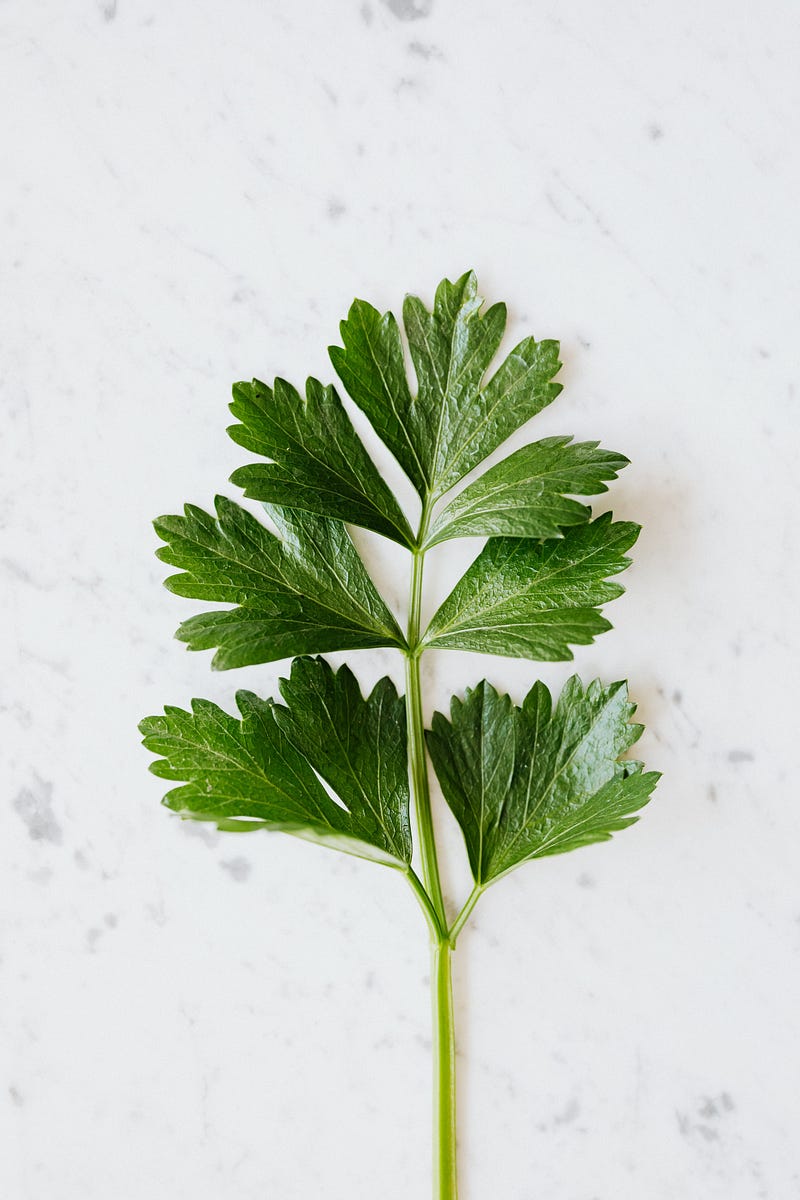
Photo by Karolina Grabowska from Pexels
  1. Parsley/coriander w/ lemon. Supports kidneys for better elimination of waste. Parsley (and its close cousin cilantro/coriander) is an herb with the capacity to increase urine output and volume, which helps the kidneys flush waste products and dissolved fats from the bloodstream. Drinking tea also puts more water into our bodies, which are often dehydrated from our consumption of sodium-laden processed foods and sodas. It may seem like you’re drinking a lot when you drink soda, but the excess sodium actually pulls water out of our cells — which causes us to drink more soda! It’s a vicious cycle that has long-term detrimental health effects. Parsley and cilantro are easily grown from seed or from transplants after the date of last frost. Parsley prefers cooler weather and will bolt (go to seed) very quickly when it starts to get too hot in summer. Successive plantings each week will help keep the harvest coming.
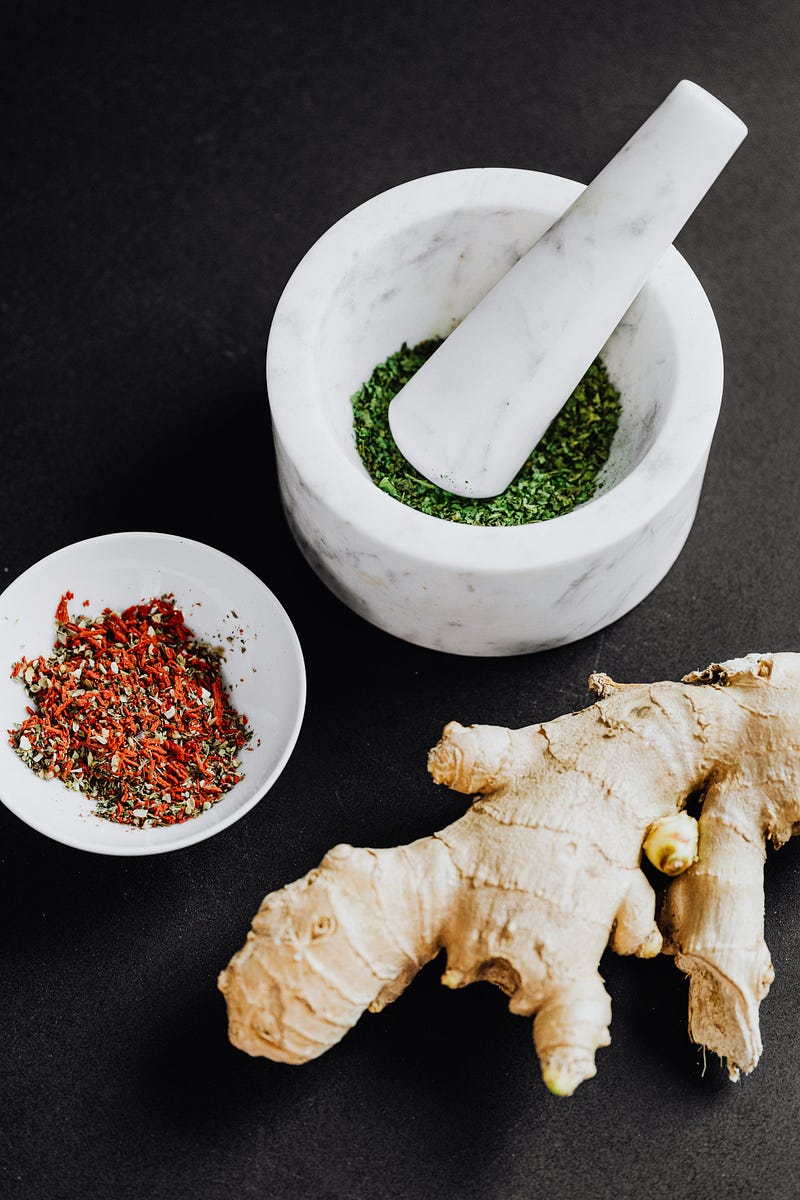
Photo by Karolina Grabowska from Pexels

2. Ginger/green tea w/ cinnamon. Metabolism booster. Ginger is grown for its hot and spicy root. The plant has many uses in folk medicine, including treating stomach ailments and motion sickness. Ginger is effective in boosting metabolism because the zingy heat of the root increases circulation (in much the same way as cayenne pepper does); increased circulation speeds up the heart, which increases metabolism. Ginger has been used in many cultures as herbal medicine, including Chinese, Indian, and Thai. To grow your own ginger, choose a plump, fresh root from the grocery store. Don’t buy ginger from a nursery because most flowering ginger plants are strictly ornamental but we want to grow edible ginger. Plant in a pot or in moist soil outside. Water regularly, but don’t keep the soil sopping wet or the root will rot. Ginger needs warmth but also likes afternoon shade to keep the leaves from drying out. Unless you live in a tropical climate, the plant will die in the winter. For this reason, planting in pots is preferred.
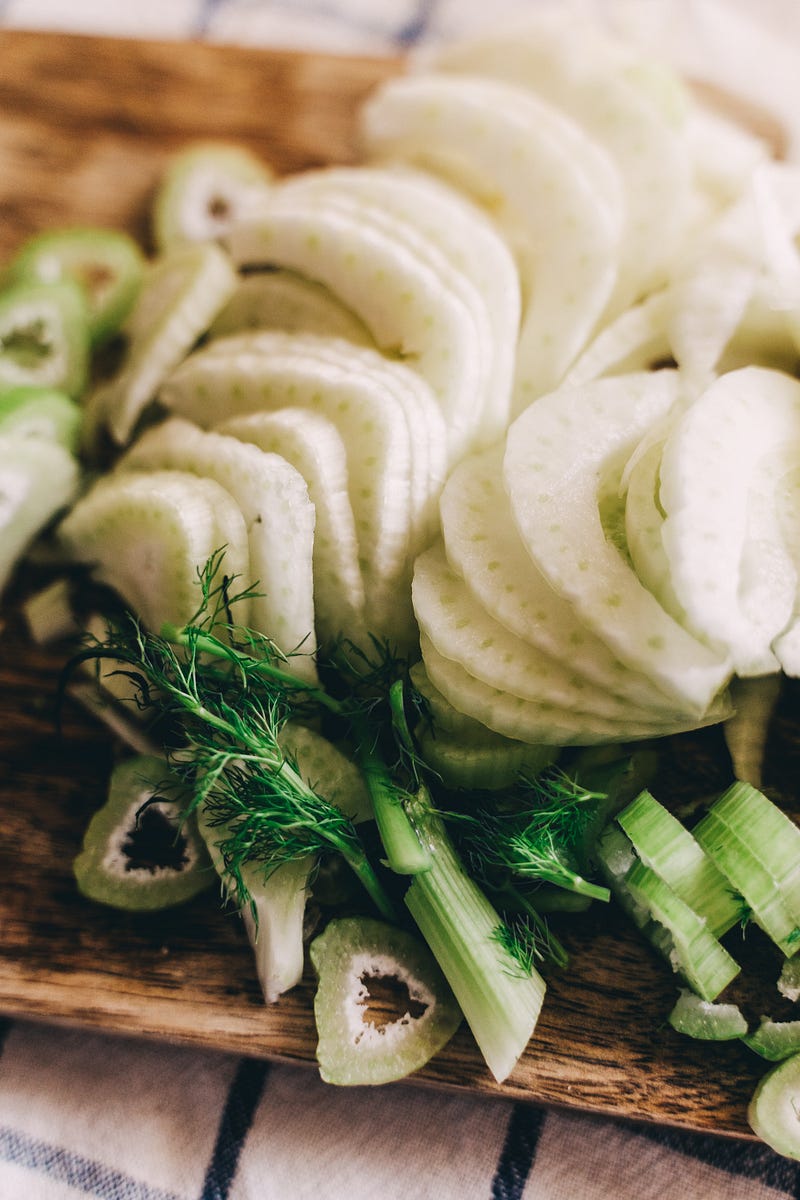
Photo by Alesia Kozik from Pexels

3. Chickweed/fennel/flax. Hunger control. Fennel is a bold herb with feathery leaves and a strong anise (licorice) flavor and smell. Fennel is a remedy for a number of digestive issues. It is very easy to grow, and will produce rampantly with little effort. Fennel comes in bulb and herb varieties; grow the herby-type from seeds sown directly into the ground. Choose a sunny spot (it grows great where tomatoes grow), plant in shallow trenches, and keep moderately moist. Tea is usually made from the seeds, so let the plant grow, flower, and set seed. Keep fennel away from dill or cilantro as they all love to cross-pollinate, which will affect flower/seed production and flavor. Dry the seeds, grind, and use a tablespoon or two at a time to brew a flavorful tea. It is best to boil the water separately then pour it over the seeds in a tea strainer or cup. Boiling the seeds themselves causes much of the essential oils (and therefore the nutrients and flavor) to be lost. Add a tablespoon of purchased and ground flax seeds. Allow seeds to steep 5–10 minutes, then strain.
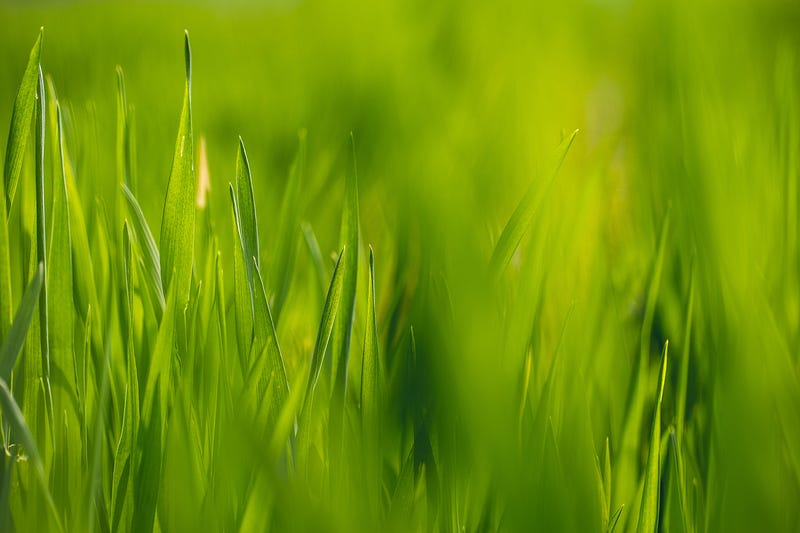
Photo by Fabien Burgue from Pexels

4. Wheatgrass/cayenne/ turmeric. Colon cleanse. Wheatgrass is nothing more than ordinary young wheat plants that are harvested before they develop grain heads. Organic unground wheat grains can be planted in shallow pots or grown hydroponically. Harvest when the plants reach about 8 inches in height. Snip into small pieces and use in a tea strainer or a muslin bag by pouring boiling water over the stems and allowing it to steep 5–10 minutes. Add 1/8 teaspoon of turmeric and dried ground cayenne to taste. Wheatgrass acts as a diuretic, while cayenne and turmeric increase metabolism and decrease inflammation. By itself, turmeric is poorly absorbed in the body; cayenne or black pepper helps it to be absorbed better.
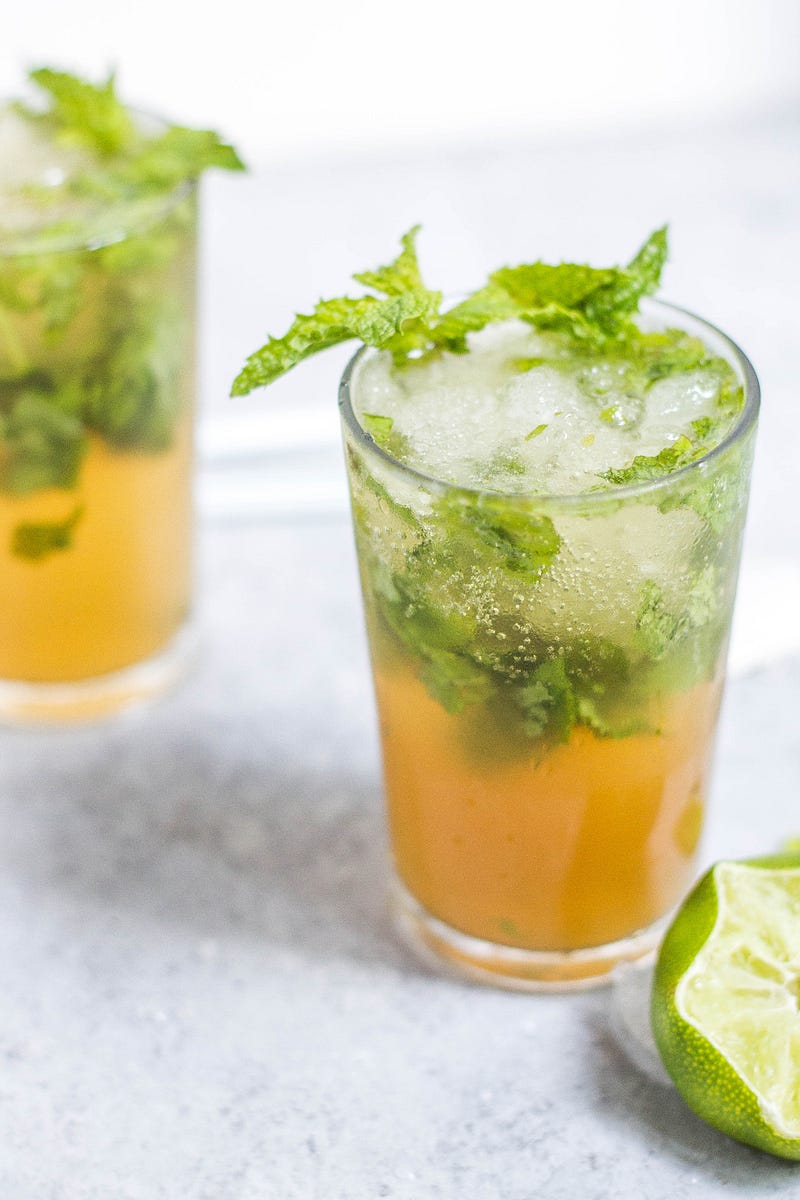
Photo by Alison Marras on Unsplash

5. Dandelion/peppermint green tea w/ lemon. Belly fat dissolving. While dandelions need no growing information (!), using them as tea is wonderful revenge on this lawn scourge. Dig the plants up, cut and wash the leaves and roots, and steep with peppermint leaves. (NOTE: DO NOT USE dandelions from your lawn if you use any kind of lawn chemicals!) Peppermint is an easily-grown herb that needs little besides water and sunshine. It will invade flower and vegetable gardens, so growing it in pots or raised beds is a good idea. Harvest fresh leaves by the handful; peppermint is helpful in the treatment of digestive problems such as gas and bloating, and helps improve digestion. It also has antiseptic and antibacterial properties. Dandelion supports liver function, which is crucial in the metabolism of fat. You can make a powder from the plants by washing and pureeing in a food processor, then dehydrating the paste. Add half a teaspoon of the powder to a cup of hot liquid.

A little honey or stevia can make some of these a bit tastier for palates used to sweet drinks. When growing herbs for tea, use food-grade pots that haven’t had a chance to absorb chemicals or off-flavors from other plants.

Trying one of these suggestions, or getting a recommendation from a tea-loving friend, is a great way to dip your tongue (so to speak) into the healthful world of fresh herbal tea.

If you haven’t joined Medium yet and would like to read more or earn money writing, please click the following link to learn about becoming a member.

DRM is an award-winning author and the publisher of What to do About…Everything, and Boomer: Unfiltered. She writes in science, writing, mental health, and the environment on A Writer’s Mind.

Gardening
Tea
Health Recipe
Herbal Remedies
Walkabout
Recommended from ReadMedium