5 Shocking Habits of Emotionally Unstable People
Many individuals in our society struggle with emotional instability and it affects their mental and daily routine.

Stability plays an important role in the vast spectrum of human emotions. However, there many are individuals in our society who struggle with emotional instability and it affects their daily routine.
In this blog story, we shed light on the five key habits that characterize this challenging state of being. By understanding these habits, we aim to foster empathy, and support, and ultimately, provide insights on how to navigate the intricacies of emotional instability.
1. Habit of Intense Mood Swings
Emotionally unstable individuals often find themselves caught in a relentless cycle of intense mood swings. From extreme highs to deep lows, their emotions fluctuate unpredictably, leaving them and those around them bewildered.

These mood swings may be triggered by external events or even internal thoughts. That’s why they have a significant impact on relationships and your work productivity. By recognizing this habit, we can begin to empathize with the challenges faced by emotionally unstable individuals.
2. Habit of Impulsive Behavior
Impulsivity is another hallmark habit of emotionally unstable individuals. Acting without forethought or consideration, they may engage in impulsive behaviors that often have negative consequences. These actions can range from excessive spending, substance abuse, and reckless driving, to even self-harm.
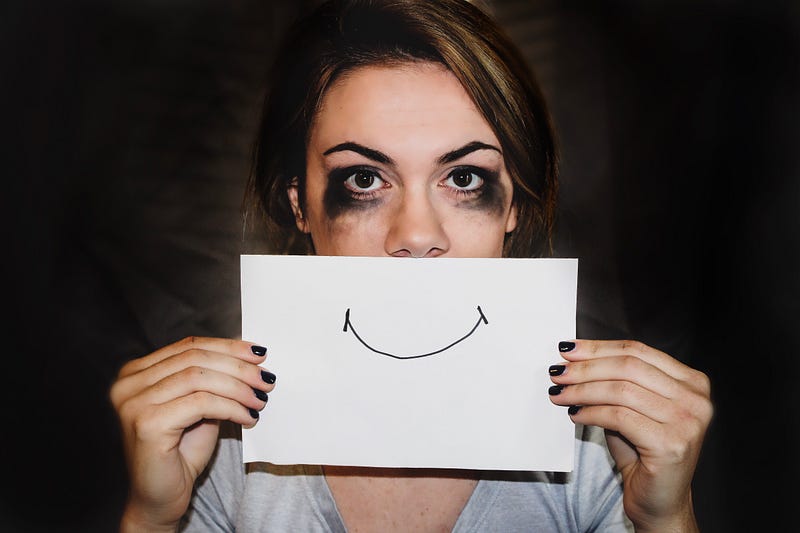
It is crucial to understand that impulsive behavior stems from an inability to regulate emotions effectively, and addressing this habit requires patience, compassion, and professional support.
3. Habit of Fear of Abandonment
A deep-seated dread of abandonment is one of the most common tendencies among emotionally disturbed people. This anxiety emerges as a persistent desire for reassurance, excessive clinginess, and hypersensitivity to symptoms of rejection.
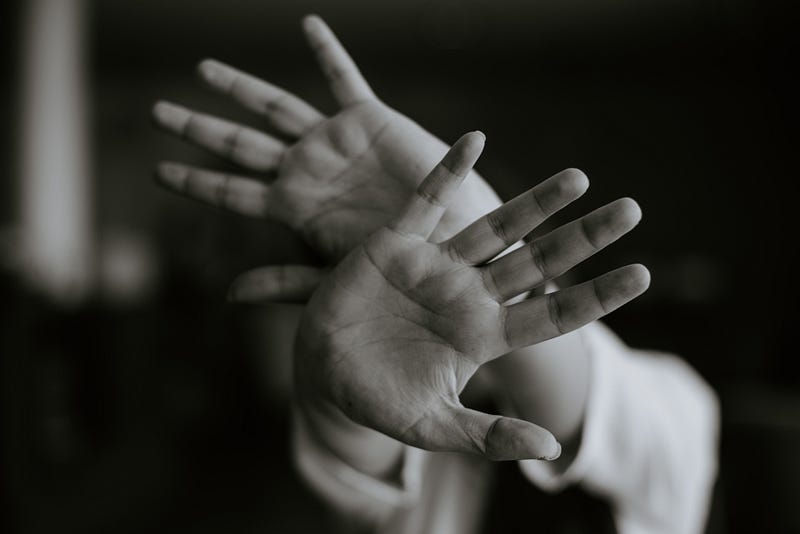
Such people may struggle to establish stable and rewarding relationships since their fear frequently causes them to indulge in self-destructive behaviors. Recognizing and overcoming this fear can open the way for more safe, healthy partnerships.
4. Habit of Chronic Self-Doubt
Emotionally unstable people often suffer from low self-esteem. They are afraid to trust themselves. They always keep themselves under the shadow of fear.

This is why their morale is always low, and their self-esteem is low. Due to this reason, they fall victim to different types of mental diseases and are not able to live life to the fullest.
5. Navigating the Challenges of Emotional Regulation
Perhaps the most defining habit of emotionally unstable individuals is their struggle to regulate emotions effectively. Even minor setbacks or triggers can result in overwhelming emotional responses such as anger, sadness, or anxiety.

This habit often makes it challenging for individuals to navigate daily life and maintain healthy relationships. By developing emotional intelligence, practicing mindfulness, and utilizing therapeutic techniques, emotional regulation can be improved.
Conclusion:
It is essential to comprehend the behaviors of those who experience emotional instability to promote support and personal development. If you are facing all these then you have to consult a psychiatrist immediately.

We can assist persons who are experiencing emotional instability by detecting the predominance of extreme mood swings, impulsive conduct, fear of abandonment, persistent self-doubt, and inner upheaval.
Hope you’ll like to read our story. Don’t forget to follow us for more incredible and interesting stories.
You may also like this:
Meet M Aslam Waheed, a Bachelor’s student, writer, and poet who crafts enchanting stories with unwavering dedication. His adorable commitment and hard work shine through every word, creating a delightful reading experience.


