avatarKaki Okumura

Free AI web copilot to create summaries, insights and extended knowledge, download it at here

2510

Abstract

about healthy eating is that healthy food needs to be fresh, organic, and prepped from scratch– but it doesn’t need to be!</p><p id="33eb">One of my favorite tricks is simply adding frozen vegetables to whatever meal I’m having. For example, frozen spinach to pasta, or frozen edamame to fried rice. Frozen works especially well with soup and stews! And feel free to add it to your takeout .</p><p id="fe19">The idea is that when it comes to health, <a href="https://preview.convertkit-mail2.com/click/dpheh0hzhm/aHR0cHM6Ly9rb2t1bXVyYS5tZWRpdW0uY29tL2xvc2luZy13ZWlnaHQtYnktZWF0aW5nLW1vcmUtZjI3ZDI3YzMzODUw">we can actually focus on eating more rather than eating less</a>. We should still practice moderation of course, but by shifting our perspective from what we need to eliminate from our diet to focusing on what we should add, we can take on a mindset of abundance rather than deprivation. There’s so many foods to enjoy!</p><figure id="344b"><img src="https://cdn-images-1.readmedium.com/v2/resize:fit:800/1*fliGvxp2ElCSOtiT0e5a-Q.png"><figcaption></figcaption></figure><h2 id="4cb7">3. Cook vegetables in the microwave</h2><p id="84fe">Adding onto the point of convenience, feel free to use the microwave to cook food– you don’t need to boil broccoli for it to be healthy, you can just microwave it for 30 seconds.</p><p id="cde6">Because let’s be real: boiling water, salting it, adding broccoli and watching over it for a minute, then draining it through a colander, and then washing all those dishes is tiring.</p><p id="a228">Try microwaving broccoli, sweet potatoes, cauliflower, peas, carrots, or squash (or really anything else in your fridge).</p><h2 id="5bd3">4. Drink some water</h2><p id="1ca3">This is not a tip for suppressing hunger– if you feel hungry, you should eat. But sometimes we mistake thirst for hunger, and we end up snacking without satisfying that need. So if you’re unsure, try drinking some water and then checking in to see if you still want to eat.</p><p id="80a2">This is especially important to consider in the summer, when we sweat and otherwise need to be drinking a bit more water than usual.</p><figure id="d377"><img src="https://cdn-images-1.readmedium.com/v2/resize:fit:800/1*8-si4tJgzxwSbHuMi_PcEA.png"><figcaption></figcaption></figure><h2 id="6eae">5. Use herbs and aromatics for flavor</h2><p id="c644">I finally bought some fresh herbs for my kitchen, and I’m happy to report that they’ve significantly elevated my meals. But you don’t need to use fresh– kee

Options

p some dried herbs in your cabinet, and be generous when adding it to your cooking.</p><p id="e691">In Japanese home cooking, <a href="https://preview.convertkit-mail2.com/click/dpheh0hzhm/aHR0cHM6Ly9rb2t1bXVyYS5tZWRpdW0uY29tL2phcGFuZXNlLWZvb2QtYW5kLXdoeS1ldmVyeXRoaW5nLWNvbWVzLXdpdGgtZ2luZ2VyLTI3N2NhNzk3ZDBhZg==">many recipes actually rely on ginger</a>, garlic, wasabi, and <a href="https://preview.convertkit-mail2.com/click/dpheh0hzhm/aHR0cHM6Ly9oZWF0ZWQubWVkaXVtLmNvbS9zaGlzby1wZXN0by1hLWphcGFuZXNlLXRha2Utb24tdHJhZGl0aW9uYWwtaXRhbGlhbi1mbGF2b3JzLTQ2MmQxMjljZmM5Mg==">shiso (perilla leaves)</a> to add flavor without overpowering the dish. Another home cooking favorite seasoning is <a href="https://preview.convertkit-mail2.com/click/dpheh0hzhm/aHR0cHM6Ly9oZWF0ZWQubWVkaXVtLmNvbS9hLXNpbXBsZS1zb2x1dGlvbi10by1tYWtpbmcteW91ci1tZWFscy1tb3JlLWZsYXZvcmZ1bC1tb3JlLWNvbG9yZnVsLWFuZC1udXRyaXRpb3VzLWMxNWIxOTY2MjMw">furikake</a>.</p><p id="13f1">(The great thing about dried herbs and many aromatics is that they last a while in your fridge)</p><p id="08ec">Flavor doesn’t need to be salt, sugar, or oil-based.</p><figure id="b570"><img src="https://cdn-images-1.readmedium.com/v2/resize:fit:800/1*e8ZwHnCsZH4GLcCb_2uRGA.png"><figcaption></figcaption></figure><p id="8bab">These tips may not seem like a lot, but that’s the goal. Drastic measures tend to have quick results, but they don’t last. Mild measures take a bit more time, but they can change your life.</p><p id="ca5b">If you’re looking to eat a little healthier these days, remember that you don’t need to do a 180 with your lifestyle– start small, and stay consistent. Think in terms of how you can add to what you already do, or slightly shift your current eating habits.</p><p id="f2ea">You’re already 90% there, you got this.​</p><p id="7cce">Best regards, Kaki</p><figure id="96c4"><img src="https://cdn-images-1.readmedium.com/v2/resize:fit:800/1*iendqwEg3A_BBbA7lmqAKQ.png"><figcaption></figcaption></figure><h1 id="955f">Learn to be healthier, inspired by life in Japan:</h1><p id="e8e4">I teach about health inspired by simple Japanese philosophies and lifestyle practices, so you can learn to find peace, fulfillment, strength, and health in your own body. Stay in the loop and get access to free resources:<a href="https://kakikata.ck.page/signup"><b> Sign up here</b>!</a></p><figure id="80a8"><img src="https://cdn-images-1.readmedium.com/v2/resize:fit:800/1*S4-2qgADpUtXdx_asjFkUw.jpeg"><figcaption></figcaption></figure></article></body>

5 eating tips from Japan to achieve effortless health

Live healthier without the constant stress
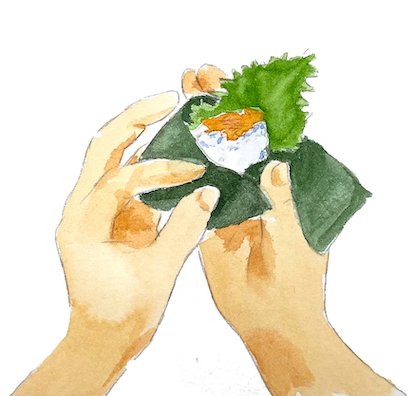
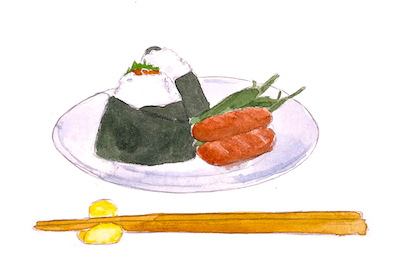
Illustrations by Kaki Okumura

If you’ve been looking to eat healthier and improve your health, I have some good news: Transforming your health feels intimidating, but I’ve realized that if you give yourself time to do it, it doesn’t need to be stressful.

The steps you have to take to improve your diet are not as drastic as following a ketogenic, Whole 30, sugar-free, fat-free, carb-free, protein shake-based diet. It requires a bit of patience and grace, but consistent steps lead to consistent results, which means you’ll never have to worry about your health again.

You can instead spend that time and energy doing things that bring you joy.

5 eating tips from life in Japan to achieve effortless health

1. Eat until you’re 80% full

This one is straightforward enough– no need to change what you eat, how you eat, or at what time you eat. At any of your meals, try stopping at harahachi-bunme (腹八分目) or 80% full. In more qualitative terms, it’s eating until you feel satisfied, but not stuffed.

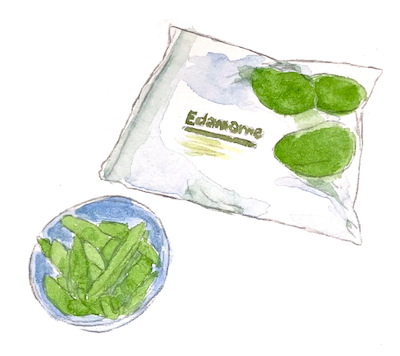
2. Add frozen vegetables to your meals

A common misconception about healthy eating is that healthy food needs to be fresh, organic, and prepped from scratch– but it doesn’t need to be!

One of my favorite tricks is simply adding frozen vegetables to whatever meal I’m having. For example, frozen spinach to pasta, or frozen edamame to fried rice. Frozen works especially well with soup and stews! And feel free to add it to your takeout .

The idea is that when it comes to health, we can actually focus on eating more rather than eating less. We should still practice moderation of course, but by shifting our perspective from what we need to eliminate from our diet to focusing on what we should add, we can take on a mindset of abundance rather than deprivation. There’s so many foods to enjoy!
3. Cook vegetables in the microwave

Adding onto the point of convenience, feel free to use the microwave to cook food– you don’t need to boil broccoli for it to be healthy, you can just microwave it for 30 seconds.

Because let’s be real: boiling water, salting it, adding broccoli and watching over it for a minute, then draining it through a colander, and then washing all those dishes is tiring.

Try microwaving broccoli, sweet potatoes, cauliflower, peas, carrots, or squash (or really anything else in your fridge).

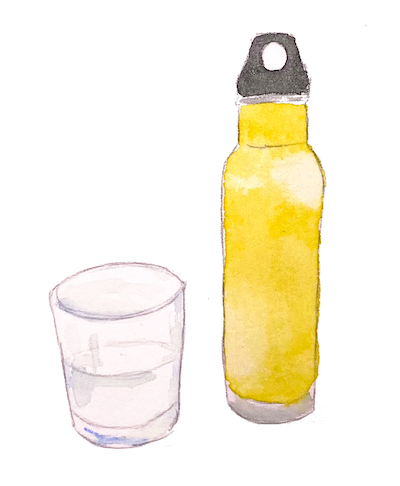
4. Drink some water

This is not a tip for suppressing hunger– if you feel hungry, you should eat. But sometimes we mistake thirst for hunger, and we end up snacking without satisfying that need. So if you’re unsure, try drinking some water and then checking in to see if you still want to eat.

This is especially important to consider in the summer, when we sweat and otherwise need to be drinking a bit more water than usual.
5. Use herbs and aromatics for flavor

I finally bought some fresh herbs for my kitchen, and I’m happy to report that they’ve significantly elevated my meals. But you don’t need to use fresh– keep some dried herbs in your cabinet, and be generous when adding it to your cooking.

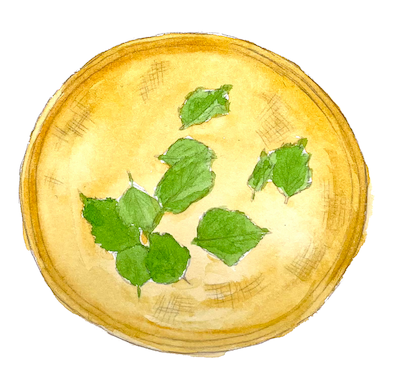
In Japanese home cooking, many recipes actually rely on ginger, garlic, wasabi, and shiso (perilla leaves) to add flavor without overpowering the dish. Another home cooking favorite seasoning is furikake.

(The great thing about dried herbs and many aromatics is that they last a while in your fridge)

Flavor doesn’t need to be salt, sugar, or oil-based.
These tips may not seem like a lot, but that’s the goal. Drastic measures tend to have quick results, but they don’t last. Mild measures take a bit more time, but they can change your life.

If you’re looking to eat a little healthier these days, remember that you don’t need to do a 180 with your lifestyle– start small, and stay consistent. Think in terms of how you can add to what you already do, or slightly shift your current eating habits.

You’re already 90% there, you got this.​

Best regards, Kaki

Learn to be healthier, inspired by life in Japan:

I teach about health inspired by simple Japanese philosophies and lifestyle practices, so you can learn to find peace, fulfillment, strength, and health in your own body. Stay in the loop and get access to free resources: Sign up here!

Health
Food
Cooking
Fitness
Self Improvement
Recommended from ReadMedium