avatarAun Gregg

Summary

Aun Gregg provides a brief guide to essential Thai phrases for travelers, emphasizing the importance of language in connecting with locals, with a focus on politeness and gender-specific language.

Abstract

In preparation for a trip to Thailand, Aun Gregg, a translator and writer, shares five common Thai words and phrases that every traveler should know. Recognizing the significance of language in cultural exchange, Aun stresses the use of polite language by explaining the gender-specific terms "ka" and "krab," and the pronouns "Chan" and "Phom." The article serves as a primer for English speakers, particularly Aun's American husband, to communicate basic greetings, gratitude, inquiries about restroom locations, compliments on food, and expressions of hunger in Thai. Aun's insights aim to enrich the travel experience by fostering heartfelt connections through language.

Opinions

  • Aun believes that speaking to someone in their own language touches their heart, quoting Nelson Mandela to underscore the emotional impact of language in communication.
  • The author suggests that learning a few key phrases in Thai is essential for travelers to Thailand, indicating that even a little effort in language can go a long way.
  • Aun highlights the importance of politeness in Thai culture by instructing on the use of "ka" for females and "krab" for males at the end of sentences, as well as the gender-specific first-person pronouns "Chan" for females and "Phom" for males.
  • The inclusion of practical phrases like "Sawas Dee" for greetings, "Khob Khun" for thank you, and "Hong Nam Yoo Nai" for locating a restroom reflects the author's opinion on the necessity of these phrases for everyday interactions in Thailand.
  • Aun's emphasis on the phrase "Ah roi mak" for expressing that food is very delicious shows an appreciation for Thailand's culinary culture and the expectation that food will be a significant part of the travel experience.
  • By sharing personal experience and advice, Aun conveys a warm and helpful attitude towards readers, encouraging them to engage with Thai language and culture before their trip.

5 Common Words You Must Know Before Traveling to Thailand

“If you talk to a man in a language he understands, that goes to his head. If you talk to him in his language, that goes to his heart.” — Nelson Mandela
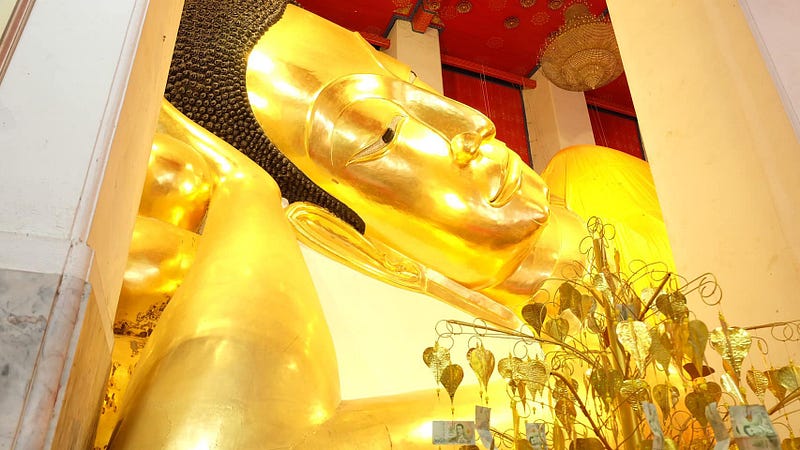
Image by the author

Hi! I am Aun. My husband and I are traveling to Thailand next week. As my husband is an American, he only speaks a little Thai. Therefore, I think it must be the right time to teach him some essential Thai words before arriving in Thailand, and I want to share them with you here.

Before we begin, let’s understand the words “ka” /“krab” and “Chan”/Phom” for their gender role.

To be polite, Thai people will end any sentence with ka or krab. “Ka” is for females, and “Krab” is for males. The first pronoun in Thai we use is “Chan” for females and “Phom” for males.

Now, you know the gender words. It’s time to begin the five words you must know before traveling to Thailand.
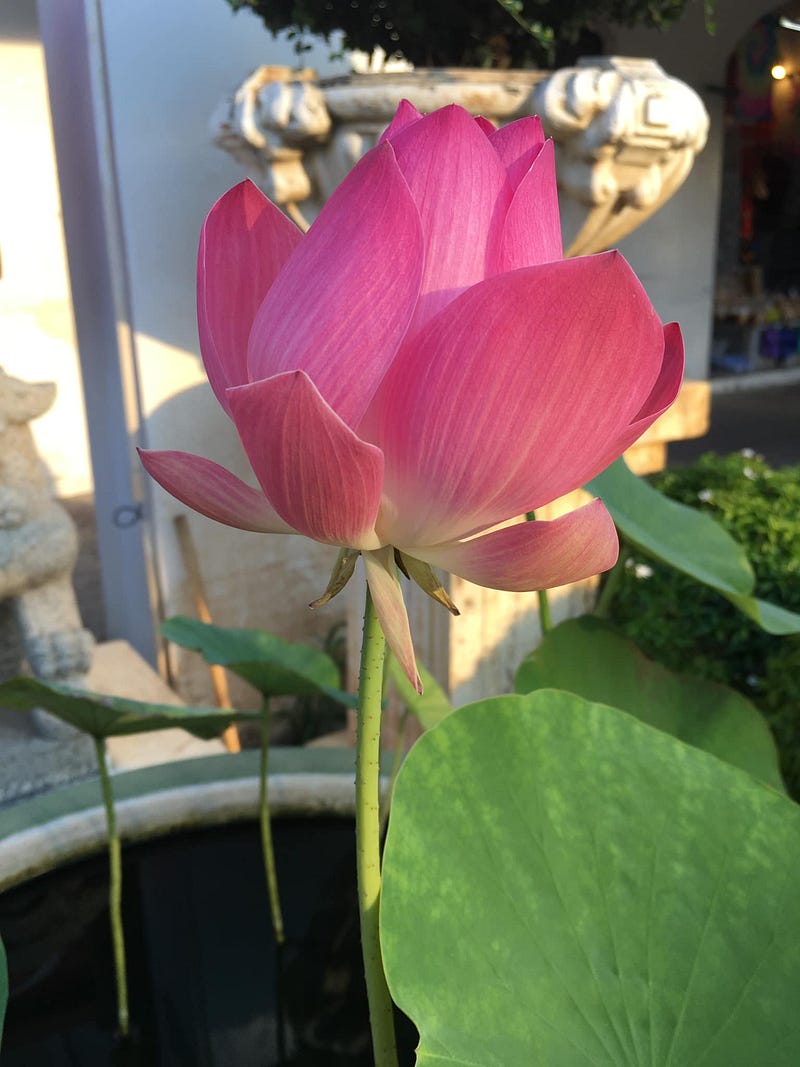
Image by the author

1. Sawas Dee (Ka/Krab) means Hi, Hello.

2. Khob Khun (Ka/Krab) means Thank you.

3. Hong Nam Yoo Nai (Ka/Krab) means “Where is a restroom?”

4. Ah roi mak (Ka/Krab) means very delicious.

5. (Chan/Phom) Hiw Mak (Ka/Krab) means I am very hungry.

Key Message: “If you talk to a man in a language he understands, that goes to his head. If you talk to him in his language, that goes to his heart.” — Nelson Mandela


Thanks for reading!

Read more from me

Travel
Travel Tips
Language
Thailand
Globetrotters
Recommended from ReadMedium