
5 Common Medieval Crimes and Their Punishments
The crime did not always fit the punishment
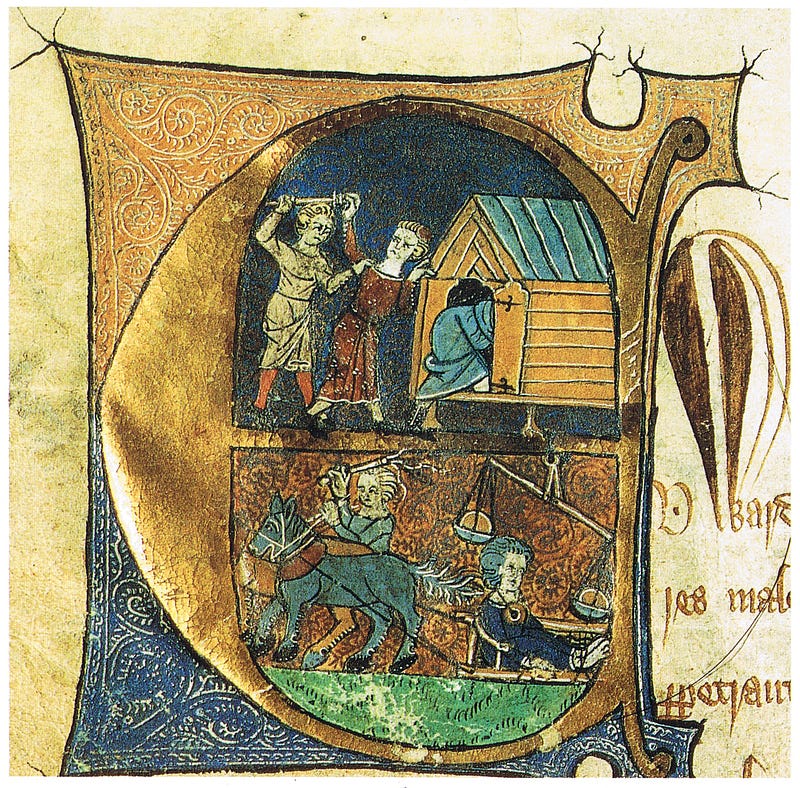
Punishment in the Middle Ages was much harsher than it is now and that stems from a distinct lack of law enforcement ability. People across Medieval Europe lived in small hamlets, on feudal farms, or in larger towns and cities. Out in the countryside, there was no rapid response to crime and wrongdoing which is why they compensated with heavy punishments which were meant to deter any poor behavior. Despite the attempt by monarchs and local lords to keep the people in line via fear of the law, crime was still a big deal across the Medieval world and crime and punishment is a topic that still fascinates us from that era.
Here are five of the most common crimes that were seen in Medieval times and their requisite penal responses.
1. Disturbing the peace
Without large numbers of officers patrolling the streets like we have today, some places could get quite rowdy. Whether it was drinking that went too far or feuds and arguments that got out of hand, it could be dangerous for local people and innocent bystanders if things quickly got out of control in the village.
Disturbing the peace was a broad crime that could be applied to brawling, revelry, violent arguing, and other seemingly minor offenses. Anything which disrupted the status quo in the countryside could be seen as disturbing the peace, and punishment was meted out proportional to the crime.
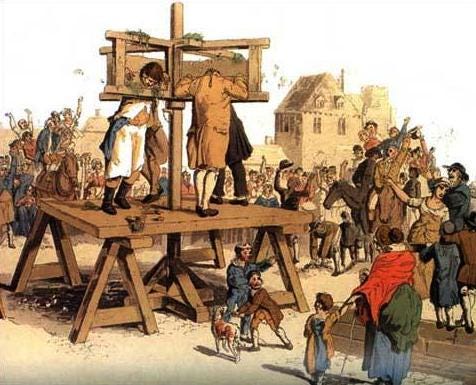
Simple revelry and drunkenness could result in a trip to the pillory, a device that locked you up in the center of town. A trip to the pillory could last an hour, half a day, or a full day depending on how severe the breach of the peace was.
The pillory bent a person over and locked their head and hands into place leaving them at the mercy of the town. Insults and jeering were common and sometimes perpetrators would also be pelted with rotten vegetables. It was a public show of humility and humiliation combined with strong lower back pain which paid people back for causing a ruckus.
Some places only used stocks, which was similar to the pillory, but instead only locked their feet in place causing them to be on display for the town. Most of the time, breaching the peace was a minor crime met with a minor trip to one of these restraining devices but sometimes it could be worse.
Breaching the King’s Peace was a stronger offense that applied to people such as tax evaders, counterfeiters, and slanderers who were guilty of disturbing the whole system of governance. That could be met with far harsher punishments going as far as execution in some cases.
For example, shouting at the town bailiff could be considered a breach of the peace while shouting at the town bailiff that they, nor anyone, should be paying taxes to the crown could be considered a breach of the King’s Peace.
2. Theft
Theft was one of the most common crimes committed in times past. Large distances between homesteads, the ability to disappear into the woods, and general desperation led many people to partake in theft. Most theft was minor, or petty theft, which constituted amounts that added up to something akin to shoplifting.
Petty theft was often handled with a simple fine but the fines were often large and disproportional to the theft itself. For example, the fine for stealing half a mark in Danish controlled parts of England was forty marks. That is a markup of eighty times. That means if you stole something worth $20 today, the fine would be $1,600. Ouch.
Theft was often punished differently by different monarchs, even rulers that reigned over the same territory would handle thievery differently. Sometimes a ruler would be particularly harsh towards thieves requiring the loss of an ear or hand to show the world that a person had been caught stealing. Others would simply condemn thieves to death. Some kings counted thievery punishable by death as anything over half a mark, a low bar.
King Magnus Eriksson of Sweden put in special laws protecting farmers from thieves due to their high risk to become victims. Those laws remained on the books until the 18th century.
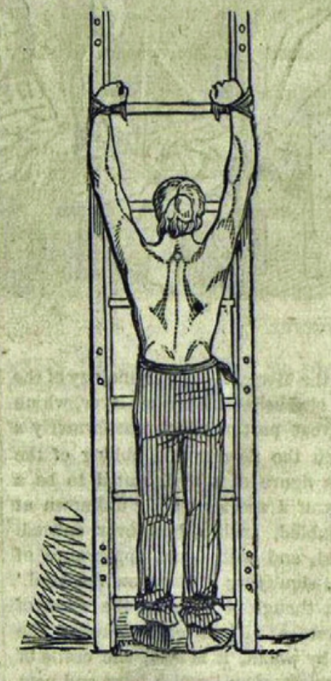
The middle point between fines and execution or maiming was public flogging. Some thieves would be brought before the community from which they stole and were ordered to endure a certain number of public lashes. In many cases, the goods would be returned and the town would watch the flogging as penance.
Controlling theft was one of every Medieval ruler's top priorities and struggles. It was a crime that was hard to report, hard to respond to, and hard to prevent, which is why there was such a wide array of responses to the crime. Theft made the common man angry and was often an enticing way for those struggling to get ahead or survive so it was rampant out in the countryside.
3. Poaching
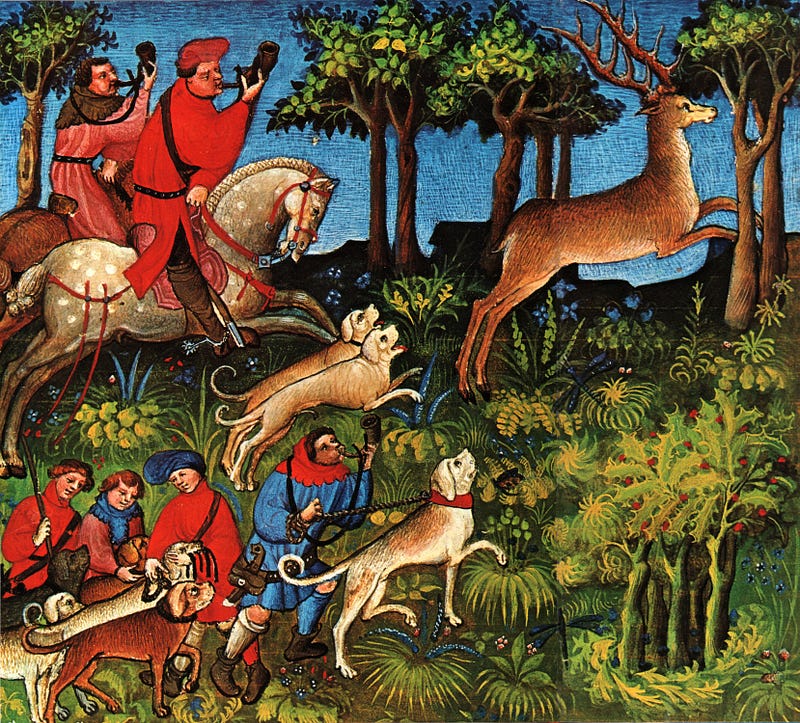
Despite what we think today, much of the land in Medieval times was owned and administrated by local lords and high kings. While many people like to imagine a wildland free from jurisdiction and ownership, that is far from the case. Feudal lords, bishops, and kings owned hundreds of thousands of acres and everything on those lands was considered property of the owner.
This meant that common people, peasants, and wanderers could not hunt or gather from lands owned by the king without permission or without paying a special fee granting them access. Breaching these agreements by hunting or wrangling animals off of lands from which you did not have permission was considered poaching. Nearly all Medieval officials took poaching extremely seriously and the punishment for doing so was often death.
If this seems severe it’s because it was, that is because in order to protect the integrity of vast stretches of land without the manpower to continuously patrol and guard them the punishment had to be harsh enough to deter the thousands of peasants from sneaking onto royal lands for their own gain.
Poaching could also extend to picking from the king’s royal orchards, cutting down trees that were owned by an estate that was not your own, or gathering raw materials from the land. Any of these could be considered poaching from royal lands.
The punishment for poaching was not always death but for those who were not executed, they were often maimed. They would often lose a hand to signify stealing from the king and also to make it harder to hunt or wrangle in the future.
Despite the strong deterrence to poaching, many people got away with it due to the simple fact that it was extremely hard to get caught in the act by the king’s men. However, if you were caught, it was likely that you would be made an example of to try and deter others from doing the same.
4. Blasphemy
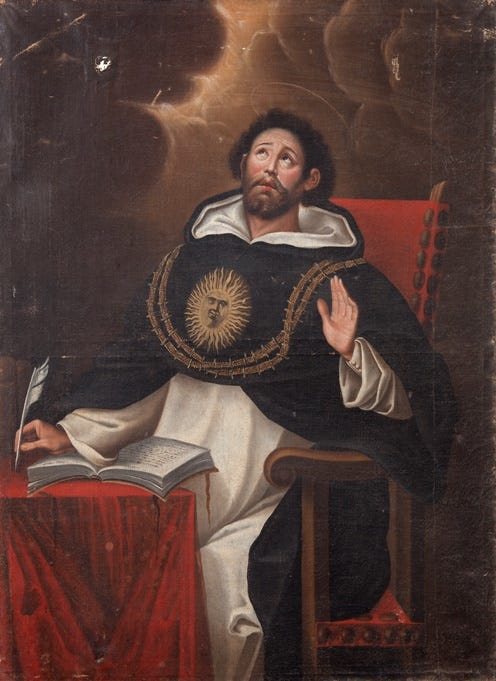
The Catholic church dominated Medieval Europe, many jurisdictions had religious laws on top of standard laws aimed at maintaining order. One of the most severe of these religious rules regarded blasphemy. Speaking ill of the church, refusing to acknowledge God or the church as supreme, or offering differing ideas than those of the church could all be considered blasphemy.
Thomas Aquinas wrote of blasphemy:
“[If] we compare murder and blasphemy as regards the objects of those sins, it is clear that blasphemy, which is a sin committed directly against God, is more grave than murder, which is a sin against one’s neighbor. On the other hand, if we compare them in respect of the harm wrought by them, murder is the graver sin, for murder does more harm to one’s neighbor, than blasphemy does to God.”
This was a common view that was sustained by many religious heads in both Medieval Christianity and Medieval Islam.
Blasphemy was a severe crime which warranted an equally severe punishment. Many times, blasphemers would be punished with the removal of their tongues. Someone who was found guilty of this egregious offense would be bound and have their tongue removed with hot tongs or pliers leaving them unable to speak for the remainder of their life.
Other punishments included stoning, as according to the Old Testament, and hangings. In fact, the last hanging for blasphemy in England actually occurred in 1697 when a young man was hanged for denying the truth of Christ’s miracles and the integrity of the Old Testament.
Unfortunately, blasphemy was a common crime because it could occur in a moment via a minor slip of the tongue. In the wrong company or in the presence of someone with an agenda, an unkind word towards a local priest or bishop could be spun into heresy or blasphemy with dire consequences. It was often used against someone’s enemy as an easy way to cause them grief. It was difficult to try and prove or disprove what someone had actually said or not.
5. Treason
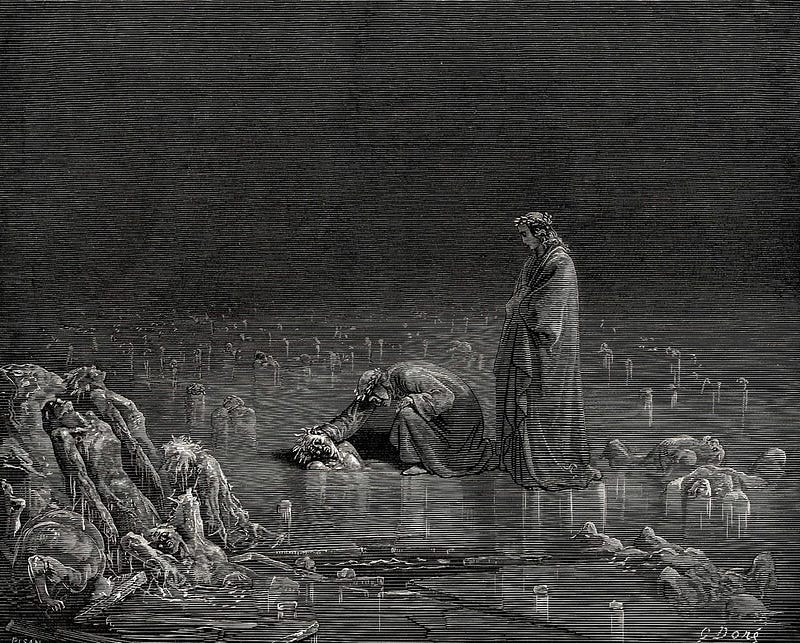
Lastly, we have treason. Treason was a very common crime that was administered by the king himself. The Middle Ages was a turbulent time that was marked by social change, wars, revolutions, rebellions, religious changes, and other unrest. Many times, at the end of one of these events, the losing side was charged with treason and sentenced to death. Sometimes this would be a single prominent leader and other times it would be scores of people. In nearly every case, being found guilty of treason meant death.
Furthermore, it was not just any death. Treason was often marked by the cruelest executions imaginable. The king’s grip on a territory was often only as strong as their military force and their internal deterrent force against rebellion. Horrific executions such as being drawn and quartered, being burned at the stake, or being slowly flayed alive were all administered to traitors. This was a bid to assert the monarch’s full control over the populace as well as serve as the ultimate deterrence.
Traitors would not just be executed, they would be killed in the most painful and humiliating way possible before spending an eternity in hell.
The medieval poet Dante Alighieri wrote that the ninth, and deepest, circle of hell was reserved for traitors. Treason was seen as one of the worst crimes by all and it was the charge that each medieval person feared most.
Despite this, many people were charged with treason. Plotting against the king, robbing from the monarchy, conspiring with foreigners, leading a rebellion, or standing in the way of the king’s justice could all warrant a charge of treason.
If you thought those were bad, be sure to read up on The Worst Punishment Imaginable.


