
5 Best lessons from Shoe Dog
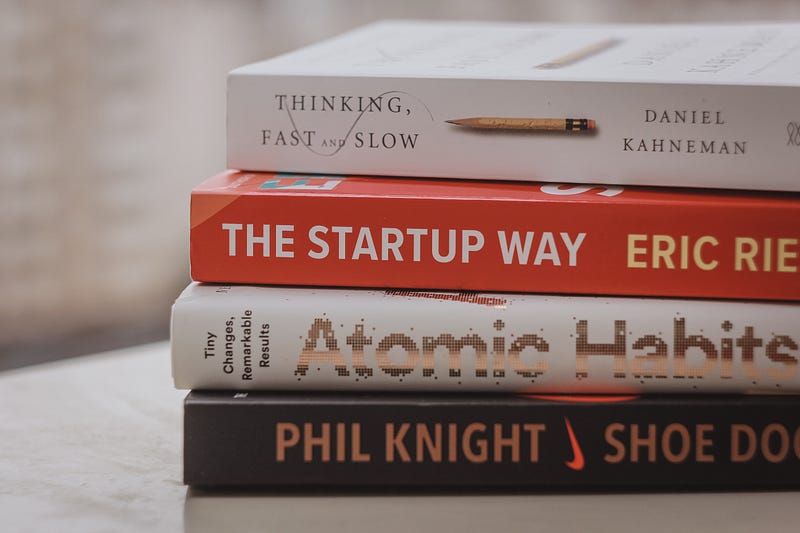
From the remarkable story written by the founder of NIKE, Phil Knight. Shoe Dog
I have just finished the book Shoe Dog about the story of Phil Knight who founded NIKE together with his former coach Bill Bowerman. He takes you on his journey that begins by going to Japan and pretending to have a business. Then he starts to sell those Japanese shoes from the back of his car and it ends with a big company we all know, NIKE. I won’t spoil too much of the book, but after reading there were a couple of things that he repeated throughout the book which I think were pretty good lessons to remember, whether it is in running a business or just in life.
1. You are remembered for the rules you have broken
This lesson is actually a quote from General Douglas MacArthur but is the way Knight and his early employees did business. As I said, the story begins in Japan. When Knight is in Japan to discuss the possibilities of doing business with a shoe company they ask him what his company name is. They needed to know as they wanted to send him some sample shoes. This was before NIKE existed and so he has to come up with a name at that moment. He just claimed he had a business and went on with it. Sticking to the rules and being a nice person can only get you so far. Sometimes you need to break the rules and the times you do are the times that you will be remembered for. Another example of how NIKE became such a great company was that they lived on credit. It is of course risky to have too much credit, but by doing that, Knight was able to keep growing very quickly as every penny was used to increase the sales and thus the company. This way of doing business was very unregular at the time and Knight sometimes had to bend the truth a bit to keep getting credit and loans from the bank. It was however the way Knight made NIKE very big very quickly.
2. It’s fine for you to beat me, but you will have to bleed for it
During his story, Knight has some big fallback and there are people who will try to get to him in numerous ways. One thing he had learned from his running career in college was that it was fine for someone to beat him, but he would give it his best so the win would come at a cost. If you are in a struggle, a fight, an argument, or something else with someone, accept the chance that you might lose, but don’t let anyone take anything for granted. If they will beat you, make them bleed for it (not literally of course, except when you’re a professional fighter), so at least they are exhausted when it’s over and will respect you for the way you fought for it.
3. If someone sends you a letter (or another type of message), it doesn’t make you obliged to respond
Knight's first employer, Johnson sent him letters almost every day. In the beginning, he felt the need to answer him, but over time, he just couldn’t keep up as the next couple of letters were already in the mailbox before he could have answered one. Nowadays, letters are not the most usual or common way to send someone a message but I do see sometimes people struggling to answer all their emails or text messages. The lesson I learned in Shoe Dog is that even though it can come across as arrogant, uninterested, or something else, the fact that someone sent you a message doesn’t mean you are obliged to answer. Of course, it is best if you answer all messages you receive, but when it becomes too much, don’t pressure yourself into answering all messages if that makes you feel stressed or worried. Just let go of them, and if someone has something really important, they will call or either send another message.
4. Don’t tell people how to do something. Tell them what to do and be surprised by their results
Especially for leaders or managers, this is a good lesson, but also in daily life. Imagine someone asks you to help with moving his stuff to his new house. You agree and on the day of the move, you suggest that you will put together his desk, how annoying would it be if you would keep hearing your friend say how to put the screws in or how you have to connect all the cables for his laptop. Of course, criticism can always be given, but when you are being watched every move and have to do exactly what people tell you to do the way they want it, it gets really annoying and you take away all the feelings of autonomy. Just ask people what to do, and be surprised by their results.
5. If I’m going to fail, I want to fail big and quickly.
In the early days of NIKE, the company ran on credit. They borrowed money to buy shoes, and when they sold everything, they wanted to buy so many more shoes, that the profit of selling their previous shipment wasn’t enough, so they had to borrow again. This cycle repeated itself so many times and the loans were increasing as the sales were increasing. He often felt that he would not be able to pay back all the loans anymore, but he definitely did not want to quit. He also felt that if this whole project (starting and running a company) would fail, he wanted to have given everything and wanted it to fail as quickly as possible. Not that he would ruin it on purpose, but if it was going to fail, it mustn’t take too long so that he would have enough time afterward to do something else and still make something in his life. This is the same example as in ‘You are remembered for the rules you have broken’, but I didn’t want to spoil too much of the story.
Of course, everyone will learn different things from the book, but these were the ones that stood out for me most and thought was worth sharing. If you have read the book and learned different things, I would be happy to hear your lessons.


