
5 Behaviours Of Tribespeople in Kenya Shook Me To My Core
The good, the bad, and the ugly — Africa Wednesdays.
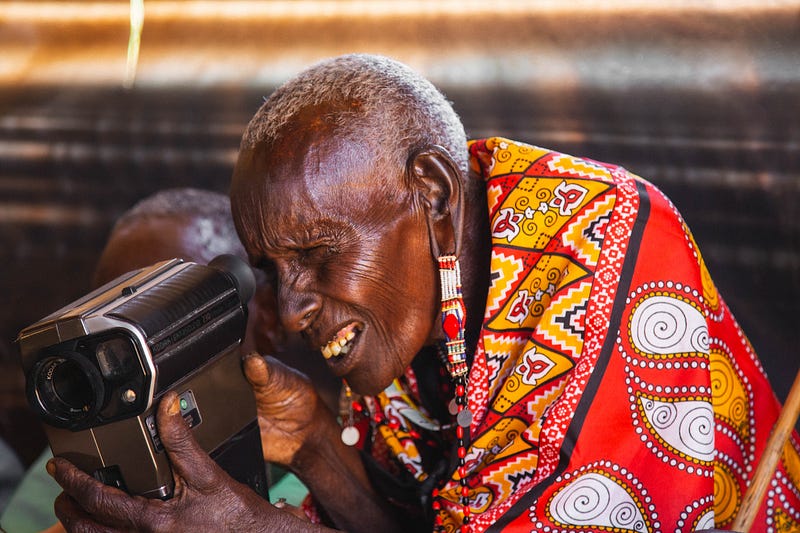
I’ve spent 3 days in the depths of the Mukogodo forest in Kenya, filming the indigenous Yaaku tribe for a documentary about their dying language.
Some of the behaviours in and around them (including from other tribes we met on the way), surprised me.
My Western views, morals and upbringing were challenged.
Yours might too. Check this out.
The Dark Side Of Presence
Every other writer on Medium will blabber about how important it is to be present.
I’m one of them.
In the society of anxiety that we live in, stained with mental health issues and constantly being stretched and pulled from past to future, a moment of presence is medicine.
The indigenous people I’ve met, however, barely grasped the concept of time.
They understand the sun moves in the sky creating shadows and light. That sometimes it’s hot and dry, and sometimes it rains. But they don’t really concern themselves with tomorrow.
There’s been a 4-year long drought in Africa.
The area we are shooting in has been really affected. People are going to die. (Stay with me, it’s not a sob story, but it’s about to get controversial.)
People and animals are fighting for the scarce water there is. Elephants break through fences destroying gardens and dams. Goats bare the land.
People live day-by-day. They have to.
When the rain makes “the forest supermarket” grow, everyone’s happy and abundant. But without planning for the future, when the rain stops, they struggle.
Denys: This tribe, we think we can tame them but we won’t. They die in prison.
Karen Blixen: Why?
Denys: They live now. They have no concept of the future; that one day they will be let out. They think it’s permanent and so they die. — Out of Africa
Abundance mindset, water scarcity.
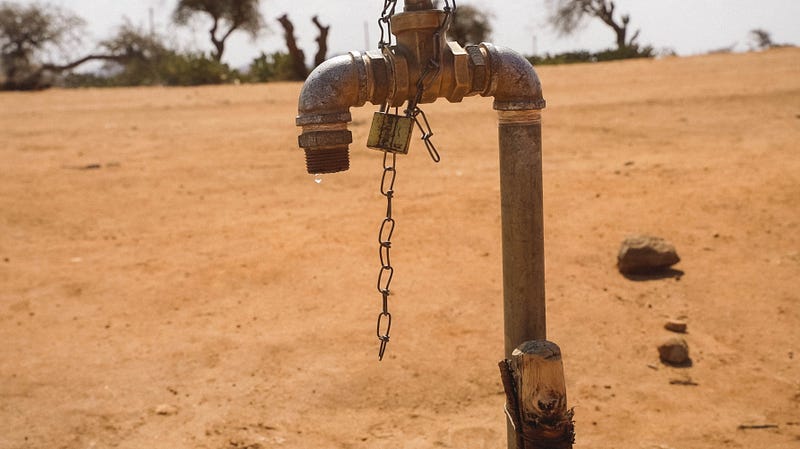
In exchange for their time in the filming, we gave the Yaaku boxes of milk, bags of bread and tubs of jam. Also a 15L bottle of water.
They ate everything and saved nothing. Perhaps that’s understandable if you’re hungry and don’t know where your next meal will come from.
But here’s the cultural clash.
When it came to the water, they poured it into smaller bottles with such carelessness, that half of it spilt on the dusty ground.
You’d think (or I thought) when there’s scarcity, people would be extra careful to save every precious drop.
They didn’t.
To them, all that matters is Now. To such an extreme it’d make Eckhart Tolle proud — and them arguably happier — but it makes their hard tomorrows, harder.
The lesson:
Plan to be present by allocating time so you connect to yourself. Be present in your planning so you don’t get caught up in tough situations.
The Woman and the Beads
When we arrive at the Yaaku’s nook on the edge of the forest we’re welcomed as if we were the prodigal daughters.
They’ve been “briefed” about us and our project to help save their language and give them a voice.
I’ve met many Kenyans, white and black, from different tribes on our way to the forest and not a single one has heard about them.
The forgotten people.
I’m mesmerised by the colourful fabrics they wrap themselves in and the hundreds of beads adorning their necks and arms.
As a side note, the plastic beads come from Eastern Europe. Somehow they travel across continents and get to them and have become emblematic of their “new” culture, wealth and way of dressing.
I point at how beautiful they are. One of the younger women immediately takes hers off and puts it around my neck. A gift.
She’s known me only for a few minutes and she’s already giving, with a wide pearly smile on her face.
I’m shocked by the generosity. But then…
Gestures like that may not be as selfless as they seem.
Somebody points out that a gift like that in times of scarcity and uncertainty can be an unspoken agreement.
A promise you’ll help them when they need something from you.
The next day, Coco has a toothache and asks me for something to ease her pain.
What does a 2$ box of paracetamols we don’t hesitate to swallow for every little malady mean to people in the West?
But how much it would mean to her.
My first impulse is to give her a whole box. I don’t have it with me, but I promise to bring it the next day.
In the privacy of our ride back, I’m shown how unsettling a gesture like that can be for the community.
- Relying on Western medicine can make indigenous people lose touch with natural remedies they’ve used for centuries.
- If other members see you giving to one of them and not the rest, it can cause conflict among them.
- If you give once, it’s expected the next time, with a surplus.
I have to trade carefully and put my white guilt aside.
In the end, I make my choice. But the dilemma lingers long after writing this piece.
The lesson:
Sometimes giving without receiving or receiving without giving can have consequences. It has to be a give-and-take. A perfect circular exchange of energy.
The Man and the Stick
Another day I notice a group of men sitting under a tree. One of them is diligently polishing a beautiful stick.
A true craftsman. His hands expertly scrape the wood, making it softer and softer.
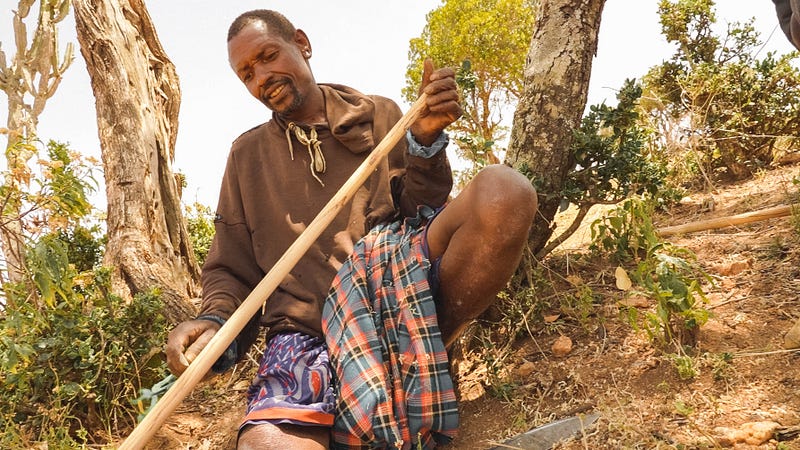
On our two-hour ride back to camp through pothole-filled dust roads that challenge our backs and vertebrae to exhaustion, I’m shocked yet again.
Our guide and security guy, a kind yet extremely opportunistic Masai man, shows off with delight his newest acquisition.
He now owns the beautiful stick.
He tells us how much he paid for it and we agree it’s a lovely piece of work.
Then he asks point blank which one of us is gonna pay for it.
First I think he wants us to buy it from him to make a profit. I say something along the lines it doesn’t fit in my suitcase.
But that’s not what he means.
He wants one of us to refund him, to buy it for him.
In his mind, we’re white and privileged and thus should pay for his purchase.
The lesson
The idea “because they have money they should pay” lives in a lot of people’s minds, even in the West. Beware of such opportunistic people because you may end up being taken advantage of if you don’t deal with the potential guilt of your abundance first.
The Children and the Faces
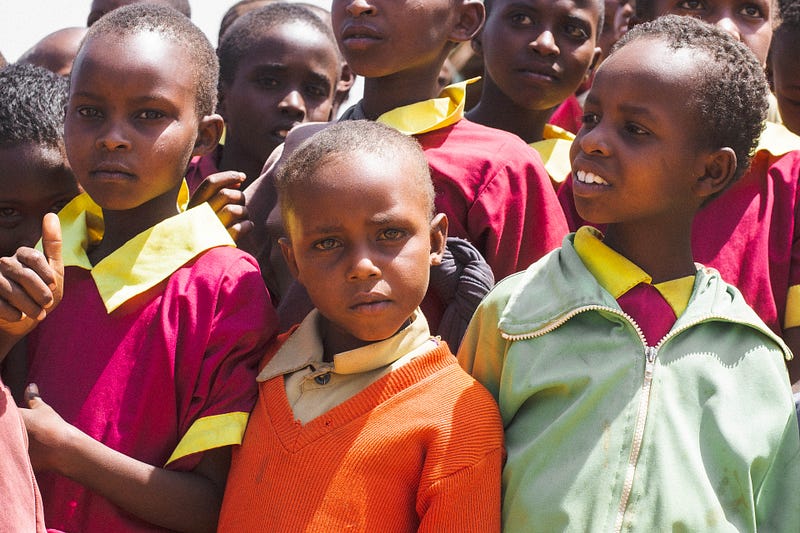
We look so different, us and the 207 Yaaku children at the School we’re filming in.
Their skins glisten black, with shades ranging from deep, dark charcoal tones to hazelnut. Their hair is curly, and usually short.
Their teeth, shine white inside their cheeky smiles. Forever imprinted in my memory.
As we dance and sing and paint a giant canvas together, they start getting more confident and friendly.
We don’t speak the same language but we feel the same curiosity about each other.
Slowly they become beautifully unfiltered.
They reach out to touch my long hair and make sounds of surprise and delight. They started to touch my hands, neck, my face.
It’s so intimate and personal.
They are by no means disrespectful but have zero conception of personal space we value so dearly in the West. And I loved it.
They’re gentle but deeply curious. My skin is so different to theirs and they can’t help wanting to know, touch, and feel.
The hours with them I’ll never forget for as long as I live.
The lesson
Sometimes we safeguard personal space to the detriment of personal connection and we can forget how important it is, as tactile animals with millions of sensitive nerve endings on our skin, to touch and be touched. In order to connect with and understand someone else.
❤Join my N E W & F R E E Newsletter East Tropical Art House (for artists by artists) sent directly to your Inbox OR get Use this awesome VIP link to access ALL CONTENT on Medium for just 5$❤


