
5 Astonishing Space Inventions That Make Your Life Better
What comes to your mind when you hear the term “space engineering”?
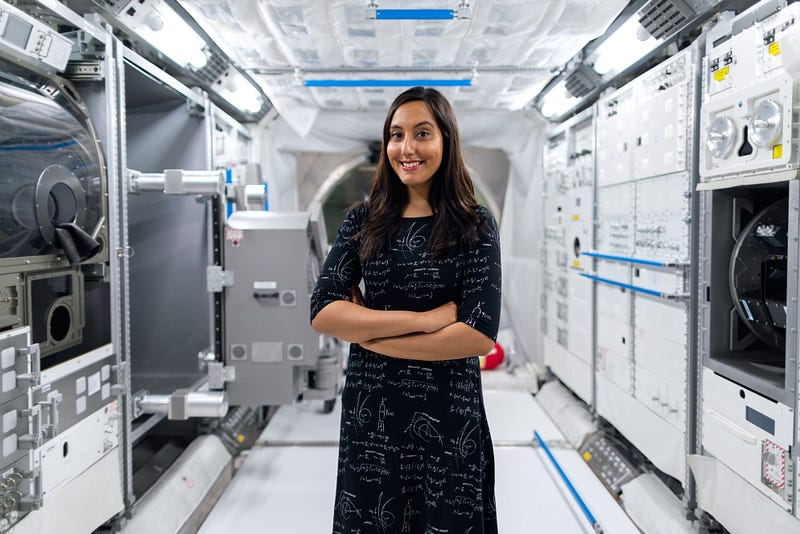
If you’re anything like me, you might be thinking: “Space is something up there. It’s often hard to explain, even for experts. And engineering, jeez, you need a degree to engage in a decent conversation about that, right?”
Well, no!
Space engineering helps a ton to propel life on Earth. Adapting technologies to solve very earthly issues is more common than you might think.
Continue reading to discover 5 things you use regularly without knowing they originated “in space”.
1 Better coffee
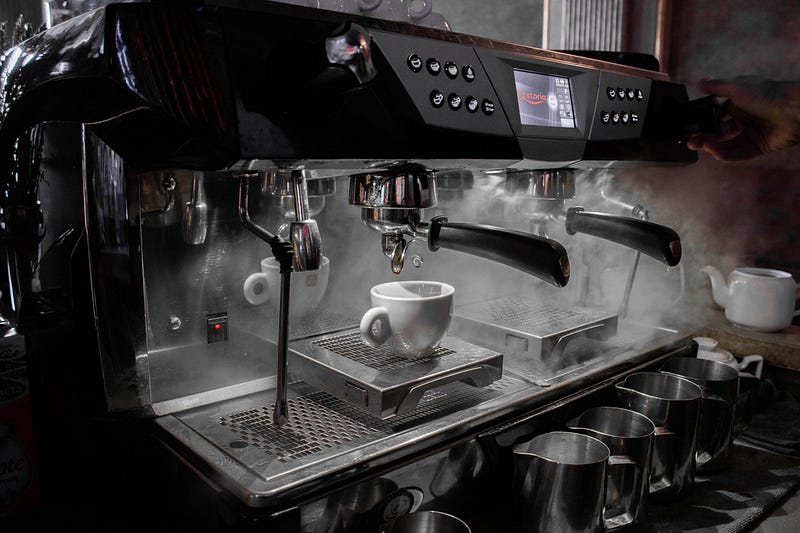
Ok, most of us (including myself) won’t spend thousands of dollars on a coffee machine. But the owners of our favorite local coffee shops might.
A former NASA intern invented a brewing machine based on technology that he had worked with during his tenure at the agency. This coffee maker has the ability to precisely monitor and adjust the temperature of the beans and the water in increments as small as 0.5 ° Celsius.
While probably neither of us has thought about such small alterations before, they do lead to detectable differences in your cup.
What’s more, the coffee maker can also connect to the internet to download and store recipes.
2 Better vision

It may or may not surprise you that NASA is not all about space. A NASA scientist originally sought to invent an optical system that would help to spot hidden objects in dense forests (you know when you don’t see the forest for the trees right?)
The stunningly simple, cheap and effective solution was a light filter that cancels out most of the green shades and make the reds stand out.
The effect was so intense, the filters could even be used to detect early stages of plant distress, giving foresters enough time to try and rescue ill trees.
Sometime later, another company used that very same principle to create ski goggles that filter out most of the blue light. The result was clearer, sharper, and deeper vision in all weather conditions.
Are you a winter sports fanatic? Go ahead and check your glasses, you might wanna try something new here!
3 Better temperature
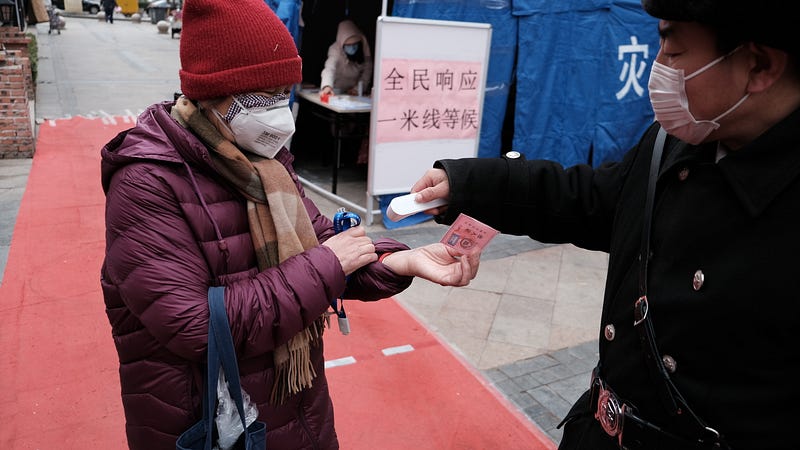
Measuring body temperature without direct contact between tissue and device is arguably one of the aspects that have received a lot more attention since the start of the pandemic. But did you know that every time someone points an infrared thermometer at you (or vice versa), you’re actually employing space technology?
NASA scientists first developed infrared measurement technologies to measure the temperatures of stars and galaxies in the far corners of the universe.
If it is possible to measure the temperature of something that’s light years away, why not of something that’s just a few inches away?
By now, this method has proven to be an enormous aid in caring for newborns, the critically ill, and even slowing down the spread of a deadly virus.
4 Better water
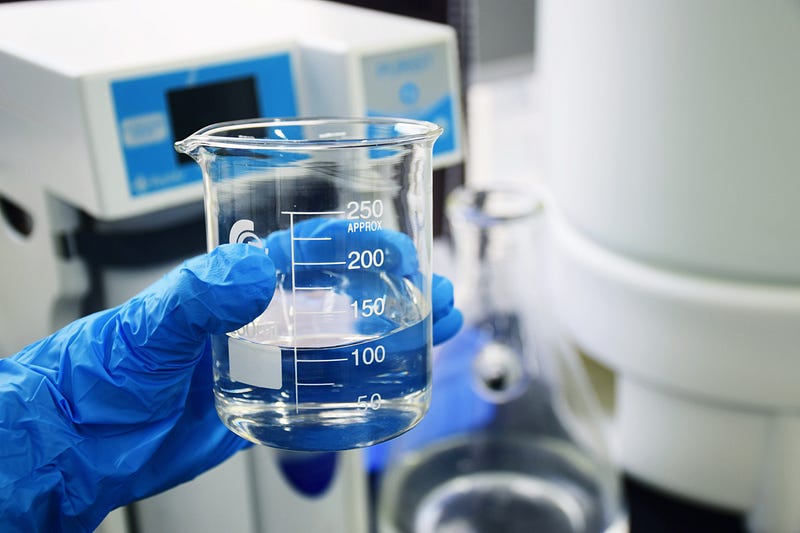
Water is essential to humans and a vast majority of other life forms.
Whenever scientists set out to find other planets that humans could live on, a key criterion is whether there could be liquid water on the planet’s surface.
As you’ll most probably know, no human has made it further than the moon as of now. And the moon is not exactly renowned for its freshwater springs. Plus, the consequences of astronauts falling ill during a mission would be severe. So, something had to be done to provide space travelers with clean water.
In public swimming pools, chlorine is commonly used to cleanse the water. I’m sure you can smell it right now, even when you’re at home. Apart from the smell, chlorine can also pose certain health threats when not used very carefully.
Therefore, scientists developed a water purifier that released silver molecules into the astronauts’ water. Once word of this technology had spread, it was only a matter of time before it would be adapted for public use.
Combine the silver with some copper ions and you get a list of benefits:
- they kill bacteria and algae,
- they don’t smell,
- they don’t react with other substances in the water,
- they aren’t affected by heat or sunlight.
Furthermore, they neither make your eyes burn nor bleach anything.
The technology has not only been built into public swimming pools but also decorative fountains, cooling systems that use water, and many more appliances.
5 Better running shoes

Have you ever tried to buy a pair of running shoes? I wonder if the range already expands faster than the universe. That’s why many specialized shops have imaging tools ready to analyze your feet and running style to narrow down the number of possible shoes for you.
Imaging tools are also used to create new running shoes in the first place. One running shoe manufacturer used high-speed cameras and corresponding software to study in detail how each part of a human foot moves when you run. And then they designed the shoe based on what they had learned. Not only the design of the shoe, but even the choice of the materials was also a direct result of those tests.
That very same software that helped to create (your) running shoes was originally invented in 2003 when a space shuttle tragically crashed.
Cameras and software imaging were already in use at that time. But when NASA scientists started to investigate the accident they found that they needed cameras that were a lot faster than the ones they had back then.
And by a lot, I mean the cameras and the software processing the images needed to jump from 15 images per second to 30,000.
Nowadays, improved high-speed cameras are used to test materials in all kinds of industries, including car and plane manufacturing.
Which example can you relate to the most and why?
Do you work at an organization that uses space technology to improve the lives of other people?
Please let me know in the comments!
Sources:


