
5 Adaptogenic Supplements For People Who Could Use Some Extra Help Managing Stress
Rest and Relaxation Achievers
Life is not a bowl of cherries or it would be easy to eat what you want and not worry about your health, relax, and manage the day better. And thanks to the constant stream of information from our seductive digital devices known as the cell phone and pc and the long hours we spend on them — — especially working remotely — -we’ve overstepped our healthy boundaries and fallen prey even more to this monster called stress.
Journaling alone won’t help. Meditation helps a little. Birds chirping and waterfall music don’t work all the time. And eating a balanced diet is not enough.
We need something extra to help calm our wired bodies down and not suffer from burnout.
In just a moment I’ll share with you 5 amazing adaptogenic supplements and the reasons why they work. But first a little background on this specific category…
Adaptogens
These particular herbal supplements belong to a category called adaptogens. Adaptogens, a kind of elite herbal medicine, are plants and mushrooms that help your body respond to stress, anxiety, fatigue, and overall well-being, according to research. Adaptogens bring your body back to a steady balance by managing the different types of stress.
These stressors, whether physiological, physical, emotional, mental, environmental, etc., can cause your body to jump into attack mode (fight or flight) and produce the hormones epinephrine (also called adrenaline) and norepinephrine (also called noradrenaline) to keep you awake and alert so you can avoid or deal with the danger. (Saleeby).
But because your neurological system doesn’t know the difference between “wild-animal-attacking-you-stress” and “you-got so-much-on- your-mind stress,” your sympathetic nervous system naturally senses it needs to protect you in either case.
When you’re stressed, the hormone cortisol goes up. To help you calm down and cope, adaptogens lower cortisol and get you back in balance. Experts believe that adaptogens interact with the hypothalamic-pituitary-adrenal (HPA) axis, which initiates your body’s stress response and plays a big role in keeping your body in balance.
5 Favorite Adaptogens
There are several types of adaptogens, but I’m going to name only 5 favorites:
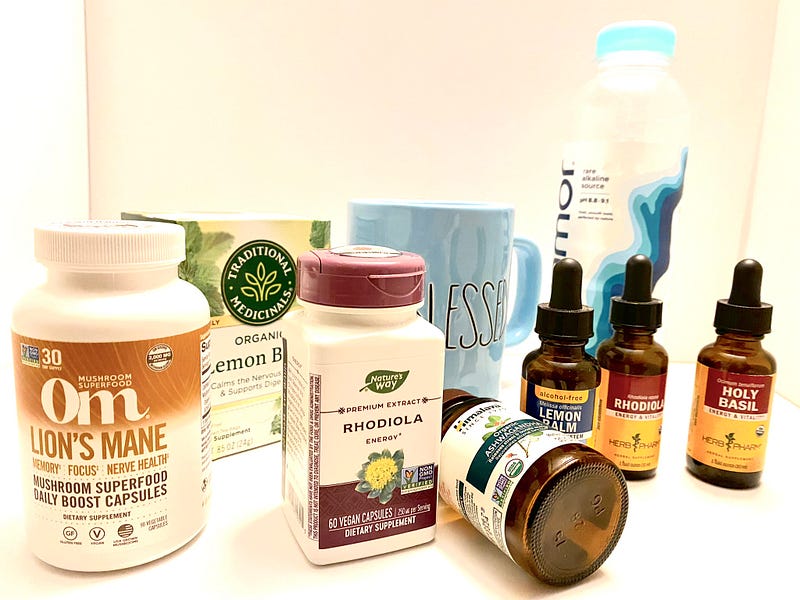
1.Rhodiola (Rhodiola Rosea)- Rhodiola has a long history of medicinal use in Russia, Scandinavia, and other parts of Europe. It has been shown to help resist the effects of stress with its adaptogenic, anti-depressant and anti-anxiety like properties. And may help increase energy, stamina, and strengthen mental capacity.
Rhodiola has been shown in clinical studies to help sustain levels of neurotransmitters such as serotonin, dopamine, and norepinephrine, therefore, it’s great to help with depression but should not be taken concurrently with certain medications unless you’re working with a practitioner.
2. Ashwagandha- Also known as Indian Ginseng, ashwagandha is one of the most important herbs of Ayurveda, a traditional, alternative form of Indian medicine for natural healing. Ashwagandha is used for a wide range of other benefits such as relieving stress, improving sleep, increasing energy levels, and improving concentration.
It may also help boost testosterone and infertility in men as well as reduce blood sugar levels. It is considered a Rasayana, helping maintain youth both mentally and physically. Some evidence suggests that ashwagandha can have neuroprotective and anti-inflammatory effects.
3. Holy Basil (Ocimum Tenuiflorum)- Also known as Tulsi, holy basil is considered a tonic for the body, mind, and spirit. For centuries it has been used within Indian medicine as a treatment for many conditions. Holy Basil helps with stress, sleep, and forgetfulness. It soothes inflammation throughout the body, helps lower blood sugar, cholesterol, and eases joint pain. Don’t confuse holy basil with basil.
4. Lemon Balm (Melissa Officinalis) — A member of the mint family and has been used as far back as the Middle Ages to help reduce stress and anxiety, lemon balm promotes sleep, improves appetite, and eases pain and discomfort from indigestion. Even before the Middle Ages, lemon balm was steeped in wine to lift the spirits, help heal wounds, and treat venomous insect bites and stings. It may also help to alleviate inflammation by restoring balance to the gut flora.
5. Lion’s Mane (Hericium Erinaceus)- Lion’s mane is an adaptogenic mushroom that has both culinary and medicinal uses in countries such as China, India, Japan, and Korea. It contains a number of compounds that have many benefits for the body. The active ingredients in lion’s mane protect the body from damage caused by free radicals and inflammation, which stress can cause.
Other healthful benefits from lion’s mane could include protection from dementia, help relieve mild symptoms of depression and anxiety, may speed recovery from nervous system injuries, protect against ulcers in digestive tract, help reduce risk of heart disease, help manage diabetes symptoms, may help fight cancer, and boosts the immune system.
Not all Herbs Work As Adaptogens
Not all herbs work as adaptogens. To be considered an adaptogen, an herb or plant substance must be non-toxic at normal doses, support the entire body’s ability to cope with stress, and help the body return to a stable state, and it’s non-habit forming.
Take One at a Time or Make a Blend
To find out how adaptogens work for you, you can take one kind of herb or mushroom at a time and if you like how it works, stick with that or You can take more than one at the same time to get the relief you need. To avoid overstimulation, take them at separate times during the day.
How Long Should You Take Adaptogens?
Studies show that it’s better to take adaptogens for a short period of time. Six months work best. Over longer periods of time your body could build up resistance to adaptogens and the intended effects on your body. Cycle off them for three weeks and then start again. The main point of adaptogens is to bring your body back in balance and not for you to become dependent on them.
Which Way is Most Effective For You?
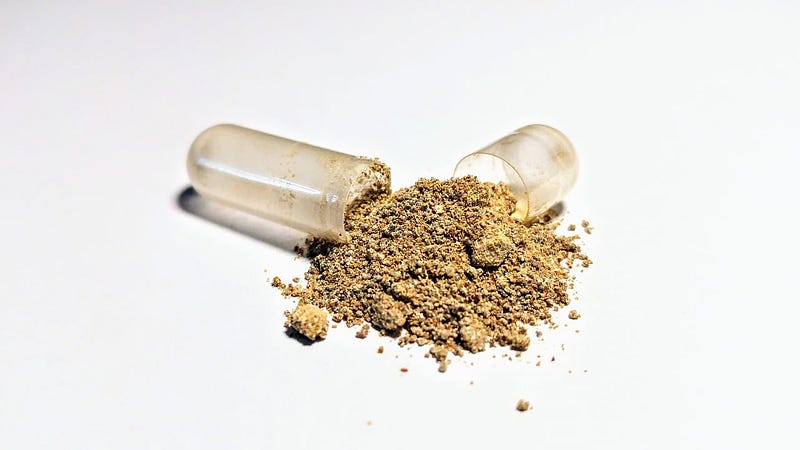
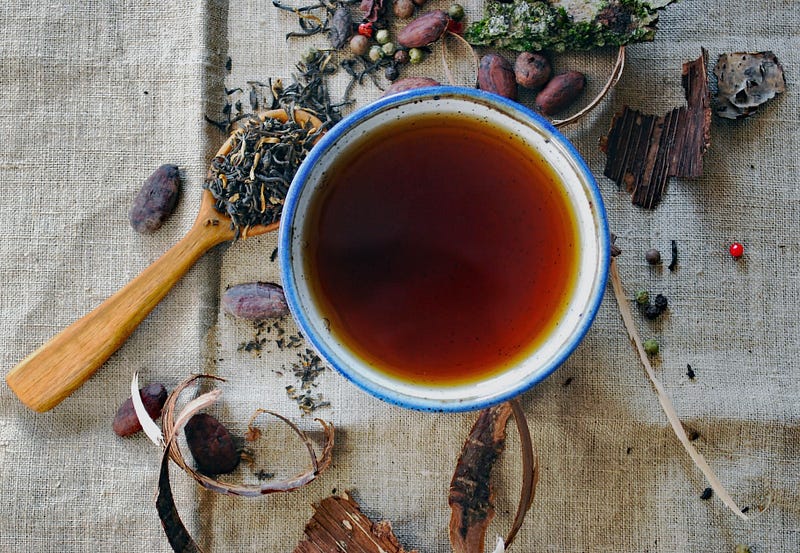
Additional research showed that since adaptogens come from plants, you can take them in different ways. You can add them to food such as soups or drink them in beverages such as teas and lattes. You can also take them in capsules or use them as tinctures, which is a liquid form of a plant extract.
If your goal is to achieve some r and r but can’t seem to get there, try using adaptogens. They give you the help you need and for good reasons…
- If you feel stressed, they help lessen the effects of stress.
- If you feel fatigued, they help reduce fatigue. (Increase energy)
- If you feel anxious or irritable, they help calm you down.
- Adaptogens help nourish your internal organs during times of stress
- Adaptogens help promote relaxation
- Adaptogens help strengthen your immune system
The Takeaway
In short, adaptogens increase what you need at the time of stress and decrease what you don’t need at the time of stress. They help you adapt to the stressful situation
Don’t just rely only on adaptogens to bounce back in a balanced state (homeostasis). Care for yourself using an integrative approach. Eat foods that nourish the body, get proper sleep and rest, make time for hobbies, walk and stay physical — make time for self-care. With these important practices in mind, you can achieve vibrant health again and enjoy your everyday life better.
Disclaimer: This content is for informational purposes only. If you need medical attention, talk to your doctor or a healthcare provider about any medical concerns you may have.
Additional Resources:
Saleeby, J.P., MD. Wonder Herbs: A Guide to Three Adaptogens. E-book ed., 2006. Google Books.