
My Best Tips For Planning a Trip
Take some of the stress out of this process
Taking trips and discovering new places is one of my favourite things to do. Planning trips, however, is a lot less fun.
There are so many decisions to make. Where to go, what to do, where to stay, whether you have enough time to do everything, how much it’s all going to cost, etc. There is a lot to consider.
It becomes even more challenging if you’re traveling with kids, with pets, or with a group of people.
It’s easy to get discouraged or dread the planning phase. I used to leave it to the last minute, which greatly reduced our options.
There are some ways to make the planning process enjoyable. Here is a list of things that have worked for me.
Do some research — but not too much
When you are planning on going someplace you’ve never been before, it can be hard to determine what to do, especially if you don’t have a lot of time.
You want to make sure that you see everything but you don’t want to spend all of your time traveling between places and you don’t want to be too tired to actually enjoy the things you are seeing. It’s a hard balance to strike.
There are hundreds of different travel guides available, not to mention thousands of travel blogs and friends and acquaintances who have visited that place before and are telling you about all the places you simply must see.
It’s easy to get lost in all of the noise.
My advice is to do some research because you do need to know what there is to see and do, but not too much.
Find one or two guides or blogs that resonate with you. Figure out what type of traveler you are. If you’re interested in trying new foods, an itinerary that focuses on museums or the best hiking spots might not be for you. If you have three kids, a travel blog following a young couple might not meet your needs.
Once you’ve identified a guide or a blog that seems to match what you want to get out of your travels, follow their advice and itineraries. Don’t spend hours researching everything there is to do in the region and worrying about all the things you won’t have time to do.
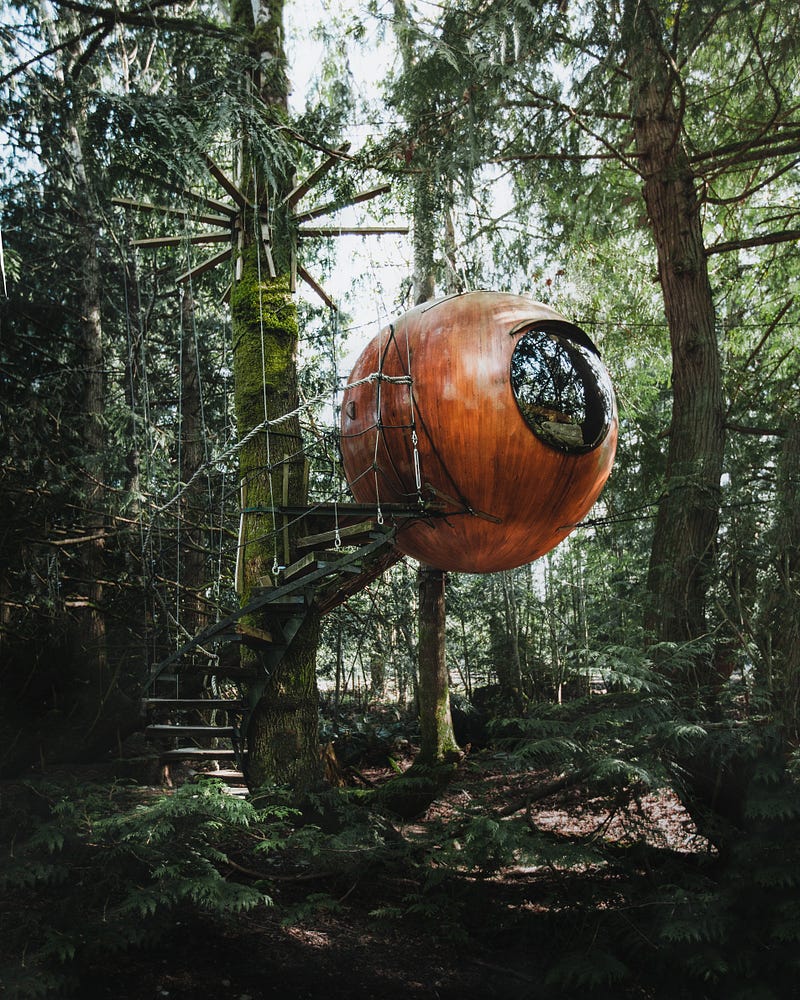
And, once you’ve made a decision, booked a hotel, or chosen which cities to visit, stop looking. Stick to your decision and don’t make yourself feel bad because you won’t get to see that thing, eat at this restaurant, or sleep in a treehouse.
Don’t do it all at once
As I’ve said, the process of planning a trip can be overwhelming and you can rapidly experience decision fatigue.
A way to prevent that is to not do it all at once. It’s easy to resent the process after you’ve spent hours booking flights, and hotels, and making sure they were pet friendly and that the comments were good and that they were close to that castle you wanted to visit and that there was parking nearby and that the food was good.
So break it up into more manageable chunks.
Take some time to daydream first because you get lost in the hotel-finding process. Read some blogs and travel guides (but not too many) to familiarize yourself with the region and what there is to do.
Make a list of all the things you want to see.
Look up distances and how you’re going to travel between places to decide what to put on your itinerary.
Once the itinerary is complete, start looking at hotels.
Once you have your hotels, book tours and attractions.
Take it one day at a time. Take a break when you need to. Don’t feel like you need to have everything figured out in a few hours.
Don’t stay at the same place the whole time
Even if you’re visiting just one city, island, or region, I would recommend booking several hotels. Moving between different places will make your holidays feel longer.
The brain gets used to a new routine very fast. Therefore, if you’re waking up at the same place every day, having breakfast there, and then coming back there every evening, your trip will seem to fly by and, before you know it, you’ll be heading home wondering where the time went.
If you move around, the brain doesn’t have time to adapt and it, therefore, seems like time stretches. It will also allow you to experience different things and places.

Make sure to double-check your dates
This seems like an obvious one but, before booking anything, especially if it’s nonrefundable, make sure that the dates are right. Make sure that you’re in the right month, in the right year.
Make sure that you have enough time to get there from the place you were at before. And build yourself a bit of wiggle room.
Recently, I took a trip to London. I got there a day before my husband because I had an appointment and he had work. His train was meant to arrive an hour before the show I had tickets for started. Unfortunately, he got on the wrong train and had to take several different trains to make it down to London. He ended up arriving several minutes late to the show. Thankfully, they still let him in but it was a stressful experience for both of us.
That’s why I believe it’s important to build some time in between things, in case something happens.
Leave yourself some time to do nothing
As I mentioned above, it’s important to leave some time in between events in case something goes wrong.
I also think it’s important not to have something to do every minute of every day. Leave some time to do nothing.
You might be thankful to have that time to explore something you hadn’t found in your research but noticed while walking around.
You might want to take a nap after a few days of constant exploring.
You might want to just walk around without worrying about timings.
I’m someone who likes to have everything planned and organized to make sure that we’re hitting everything on the list. But that can rapidly become exhausting and you start to resent your plan. You don’t enjoy the things you see because you had to rush to get there and you know you’ll have to rush to leave for the next thing.
That’s why I believe it’s important to have both. You still need some structure because some things need to be booked in advance. Having an itinerary is important because it allows you to see things in a logical order and not waste time traveling to random places and doubling back. But I try to keep my itineraries flexible to give us the time and space to really enjoy our trip.
Don’t take on the full mental charge of planning
This advice may not apply to everyone. In fact, maybe it only applies to me. But I’m still including it here in case someone else needs to hear it.
You don’t need to do everything yourself.
If you’re traveling with other people, you are not responsible for everything.
If you’re anything like me, you might take on the whole mental charge of planning the trip because you want to make sure it’s perfect and you don’t trust other people to do things properly.
You worry that your husband might book the car on the wrong dates. Or that your friends won’t read the comments for the hotel and you’ll end up in a terrible place. Or that your mom won’t check on the map and you’ll have to go from one side to the country and back again.
You’re not the only one capable of doing this. Ask for help. Ask the other people coming on this trip to contribute to the planning. It’s a great feeling to know that you don’t have to find a hotel and spend hours reading comments because someone else already did that.
I won’t pretend that planning a trip is not a lot of work. It is.
Especially right now when there are covid rules to take into consideration on top of everything else.
Trips can cost a lot of money so you want to make sure that you’re spending it in the best way possible. You worry that this might be your only chance to visit this place and therefore load your schedule with as much as possible.
I understand. I hope these tips are helpful and ease the stress of the planning process so that you can enjoy your trip without worrying about whether you’re getting the most out of the experience.
If you’d like to support me and my writing, consider becoming a Medium member using my link. For 5$ a month, you will have unlimited access to my stories and thousands of others and I’ll earn a small commission.