
My Pets Were Almost Left Behind at the Border — Don’t Make the Same Mistake
Make sure all their paperwork is properly done
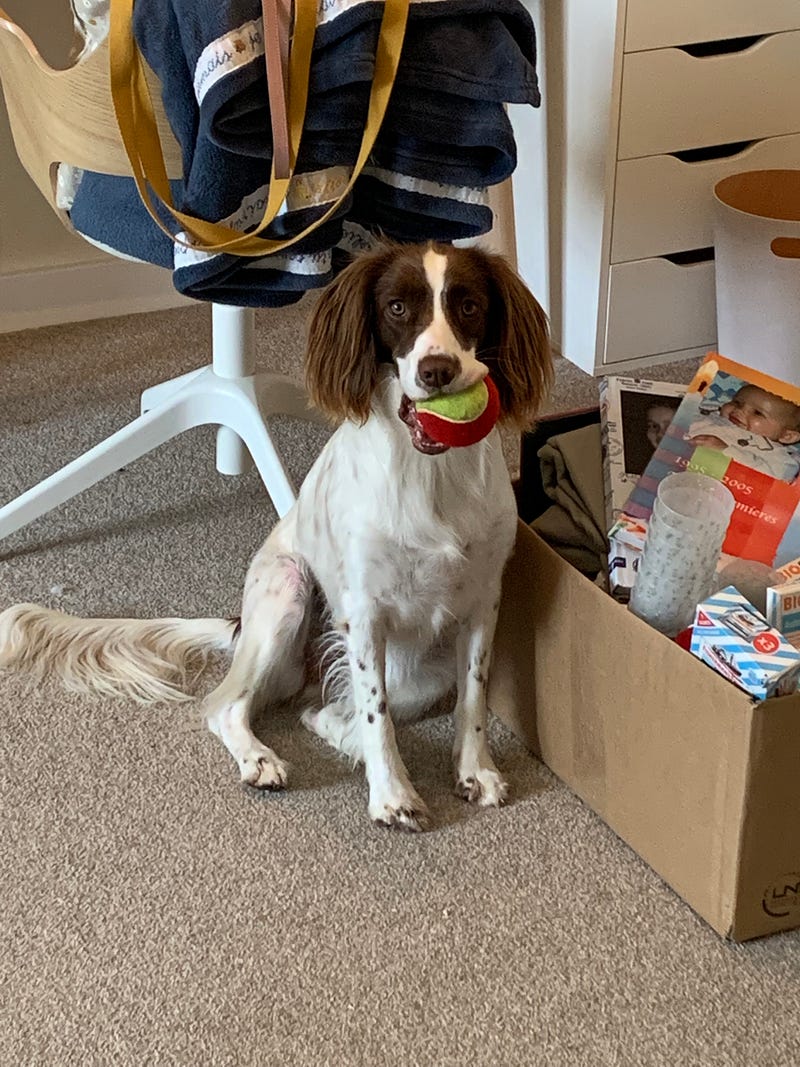
I recently traveled between England and France with my pets.
As I’ve written about previously, bringing pets into England is really difficult. Therefore, I flew down with them and we drove back up, taking the Eurotunnel to get back into England.
We had driven our pets to and from France before. However, when we did it the first time, we got a health certificate in England, which served as their official paperwork to leave and re-enter the country.
This time, it was different. While we were in France, we had European Pet Passports made for both our dog, Ginny, and our cat, Sierra.
It used to be possible to get those done in England but it is not anymore since Brexit. We, therefore, got it done in France and were told that we would be able to travel with those passports in the future without having to get a health certificate done.
Having a pet passport makes traveling a lot easier. Health certificates are really expensive, need to be done every time we want to cross the border, and require going to see a specific vet within a set period of time before the travel.
I flew down to France with my pets with no issue using their pet passport.
However, when we went to the pet check-in area for the Eurotunnel in Calais, we were told that there were issues with the paperwork and that they would not be able to travel with us.
It was a nightmare.
Here is what we did wrong:
- The passports were made after our pets had received their rabies vaccines (which are required to cross the border). Therefore, we had separate, unofficial documents to prove that the vaccination had been done and no indication in the pet passport that they had been vaccinated.
- In the passport, there is a section to write the microchip number and the date it was implanted. The vet in France recorded the date where they read the microchip number, which was a later date than the date they received their rabies vaccine.
Here is what we should have done:
- When we had the passports made, we should have asked the vet to transcribe their rabies vaccine date and information in the passport.
- Carried official documents that proved the date of microchip implantation.
Thankfully, the accommodating people at the pet check-in at the Eurotunnel were able to find a solution for us. We scrambled to find official documentation that proved the date of microchip implantation. Once we had that, we technically had all the information we needed to cross the border. It was just a question of having it all in one place in their official passports.
We were sent to a local vet, who checked all our documents and made new passports for our pets with all the required information. And we were able to cross the border a few hours later.
Our story has a happy ending but it’s unfortunately not the case for everyone. While we were at the vet, we saw several people get told that their pets couldn't cross the border because their paperwork was wrong.
So here are the lessons we learned:
- When traveling with pets make sure to check, double check, and triple check that you have all the required documentation.
- Travel with more documents than you think you might need. You never know when you might have to prove the date of microchip implantation.
- Make sure that all their documentation, vaccines, etc. are up to date and done within the required time frame.
This was not a lesson we wanted to learn in that way and we spent 3 long hours not knowing if we would be able to bring our pets home. Luckily, we now have the proper documentation and should have no issues crossing the border in the future.