
How a 19-Year-Old Created a $130 Million Sportswear Brand
The story of Ben Francis

Ben Francis was a pizza delivery and a fulltime college student in 2012. He managed his time to work on some personal projects after his eight-hour workday. After two grueling years, and with a budding business of close to $320,000, Francis dropped out of college and quit his job as a pizza delivery man to focus on his company.
Seven years later, his sportswear brand has an estimated turnover of $130 million. But how does a 19-year-old guy with no time and no money create a company that competes with brands like Nike or Adidas, with no time, no money, and apparently not an “original idea”? Answer: influencer marketing.
Creating His Brand
Ben Francis started several businesses in the world of fitness: a gym calendar application, a social network for people that like the world of fitness, and two apps for iPhones to measure levels of body exercise. One of them had reported earnings of $10,000. Although they were not successful, he managed to learn a lot from the world of fitness and wanted to keep working in this area.
After all of this, he created Gymshark with a friend, which started as a store to sell supplements and then also started selling clothes. Since they had no money to have an inventory, they used dropshipping (positioning the web on the internet and selling third party products). The margin is much lower per order, but they managed to position themselves and obtain savings.
They reinvested their savings to buy clothes from other brands, which although they sold well, was not what they expected, so they reinvested all their money again and bought tighter sewing machines to make their own clothes.
At this point, Gymshark was a gym clothing brand like any other. There was nothing new that other big brands couldn’t offer, but a new way of promoting their clothing was what made it grow exponentially.
The Beginning of Influencer Marketing
He loves the world of fitness, so he began to watch YouTube channels of other gym-goers that taught their lifestyle, the products they use, and how they train. As Francis and his friend spent hours watching their videos, they began to send them the gym clothes they made in gratitude. Then the influencers started showing those clothes in their videos, creating a new marketing model: influencer marketing.
They realized that their sales began to rise when influencers showed their products on their social networks, so they began to send more products to different influencers. Then they thought of a bigger idea: create an event where the influencers go and interact with their fans.
They realized that bodybuilding fairs were boring, brands only showing off their new products. So they rented space in one of those events, designed a new clothing line and invited the influencers they had been working with, to interact with their fans.
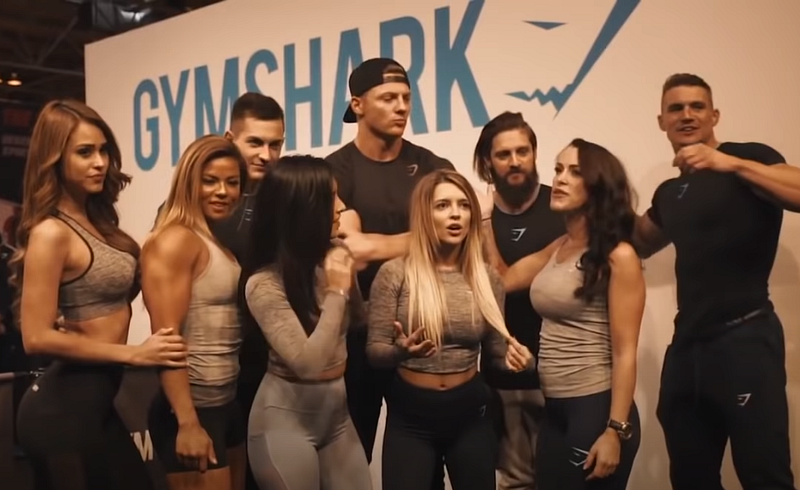
The event was a before and after of the brand, since they connected the influencers with their followers, they created a new way to promote their clothes. The strategy was to bring brand ambassadors to events around the world. Influencers have the ability to travel around the world and meet their fans, while Gymshark gains popularity.
Right now they have 18 influencers, 20 million fans, and are in 131 countries. Even though they have ups and downs, they’ve been able to compete with brands that have been in the market for years and are quite popular, thanks to a new way of marketing.
There are even brands that have copied this strategy and it has also worked for them. For example, the case of Fashion Nova compared to online brands that were already in the market, such as Forever21 or Zara. Fashion Nova started influencer marketing in 2016, and now they have their own influencer program, Fashion Nova Partner. You don’t have to be a superstar to promote their brand, just have a lot of followers on social media.
What this teaches us is that you don’t necessarily have to have an original idea to be successful, sometimes you just need a good marketing idea and a way to connect with your audience in a more personal way. Also, not having money or time is just an excuse not to start your business. If you really want to achieve something, you’ll find ways to do it.


