
Health | Fitness | Wellness
4 Things You Need To Know About The Hormonal Way Of Fat Loss
Here’s why the traditional model of “eat less, exercise more” is not helping us to lose fat effectively
The traditional model of fat loss is “eat less and exercise more”, emphasizing the simple arithmetic of burn more calories than what you take in. While this is not entirely wrong, it also is too limited to provide both the needs of our changing body and our changing environment.
Our modern way of life is significantly different from that of our forefathers and ancestors — we don’t walk on foot to schools or workplaces, instead, we drive. Even now, we can order our groceries and ready-made food with mere clicks of a button on our Yelp or UberEats app. Adding onto that, most of our social activities are now reduced to technology-based apps — when was the last time we play board games like “old-times”? When do we naturally read the papers, rather than looking at our screens for entertainment and news?
Our work cultures have also changed significantly over the decades, emphasizing higher productivity and 24/7 connectivity, creating a stimulating atmosphere, where now we have to educate people on how to sleep better. Clearly, all these modern lifestyle activities aren’t going to change at all, and it is time to therefore look at taking care of our health and weight from a different light.
As we transit into a healthier model where the food pyramid advocates daily exercise, eating whole grains, whole foods, fresh fruits, and vegetables as seen in this Harvard Healthy Eating Pyramid, this is definitely a better principle to work on for sustainable weight loss, however, it may not be effective for fat loss or sustainable fat loss. In the case of females, it gets more complicated since all females are heading to menopause the day their first menstrual cycle begins, regardless of whether they have borne children.
And in the case of men, though they remain sexually productive throughout their lifetime, they face a new norm common challenges — the state of hyper stress combined with reduced demand on movement and heavy muscular work, unlike their early counterparts where they have to go out and hunt for food or defend against enemies to protect their family. They now have machines and technologies to do plenty of these works.
So how can we go about adapting to this new norm?
Enter the Hormonal harmony model for sustainable fat loss, better health profile, energy, and resilience to combat modern life stressors.
There are 4 key systems that affect your hormonal patterns, that we need to be aware of.
1) Insulin and cortisol:
The insulin hormone is produced by our pancreas and is mainly responsible to convert any excess sugars in our bloodstream to either glycogen or fats. Cortisol hormone is produced by our adrenal glands, which are located just above the kidneys, and is primarily responsible for increased sugars in our body, due to the body’s perceived response to a threatening situation, preparing the body to “fight-or-flight”. It is our body’s main stress-response hormone.
2) Gut or digestive microbiome:
Gut health has caught quite a bit of attention in the last 2 years. There is not much we know, but according to Dr. Sara Gottfried, M.D. and the New York Times best-selling author of The Hormone Cure, she says this, “If your hormones are like a symphony, then your gut microbiome is the conductor. Your gut microbiome regulates your hormones carefully. When your gut microbiome is healthy, it does its job well. But when it is unhealthy, it throws your hormones out of tune and can cause all sorts of problems.”
In fact, scientists have now discovered a connection between gut microbes and our estrogen levels — the estrobolome. When our gut microbiome is healthy, the estrobolome helps to regulate healthy levels of estrogen; on contrary, if the gut is inflamed, known as gut dysbiosis, the estrobolome goes out of whack and so in turn, dysregulate the estrogen levels, which can lead to estrogen-related pathologies such as an increased risk of breast cancer or PCOS.
3) Estrogen and progesterone:
If you think this affects only women, think again. Both men and women produce estrogen and progesterone, produced from their sex glands, testes, and ovaries respectively. The role they play in each of the bodies differs slightly.
For men, healthy production of progesterone is essential, as this hormone is the precursor to testosterone, which we have traditionally known as the “male hormone”. It also plays a role in calming, mood, sleep, and libido. The upregulation of estrogen production in men also affects the production and quality of sperms.
In the case of women, achieving a healthy balanced ratio of both hormones is important to keep their fertility optimal as well as preparing them for their peri-, pre-and post-menopause in preventing symptoms such as hot flashes.
It is also important to know the connection between progesterone and cortisol, the stress hormone mentioned earlier. When the body is under constant stress and having to consistently produce cortisol, a phenomenon is known as “progesterone steal” can take place. This is where the precursor hormone pregnenolone is being used to produce the needed cortisol, instead of progesterone.
4) Testosterone and Growth hormone:
Testosterone and growth hormones both play similar roles in men and women. They are both anabolic in nature, which means it helps in the growth, maintenance, and repair of muscles.
In the case of women, combined with estrogen, testosterone helps to maintain their reproductive tissues, bone mass, and mood. In the case of men, testosterone regulates their sex drive, bone mass, muscle mass, fat distribution, and the production of red blood cells and sperms. Testosterone also helps to keep the levels of estrogen low in a male body.
Putting it all together for the fat loss we want to achieve
Our aim of looking at these 4 key hormonal systems is first to understand their connections and their roles in helping one to achieve a sustainable and healthy fat loss.
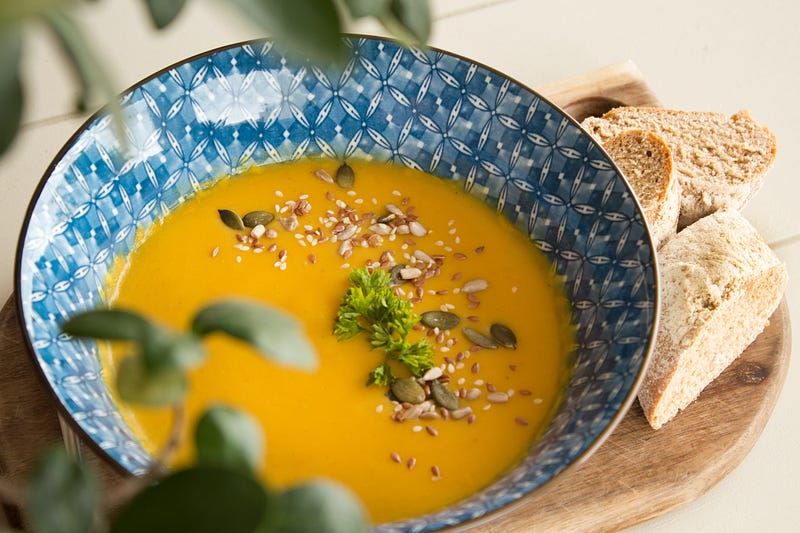
Then we have to realize the ultimate goal is to learn to strike a Goldilocks moment of having all 4 systems harmonized together. Pretty much like a chef making a delicious bowl of “hormone harmony soup” using all the main ingredients balanced well.
And we aren’t really looking for perfection because rigidity is not how our hormonal systems work. Instead, we want to work towards a resilient system as it’s highly adaptable and capable of bringing the body back to homeostasis — its “base optimal” level of functioning.
The challenge arises when these hormonal systems are constantly being fired and never get to return to their normal rate.
In terms of achieving both weight and fat loss, from the above 4 systems explained, we can see that managing our insulin-cortisol levels actually have a pretty big impact on the other systems.
Let’s take a look at why is this so.
When your cortisol levels rise and never get to return to their base levels, it impacts the conversion of pregnenolone to progesterone. So progesterone levels dip, which in turn also affects the production of testosterone as well as increased the levels of estrogen in the body.
Adding on to that, typically, a person with high levels of cortisol, also has poor nutritional habits, often of highly processed food which raises the insulin levels. All these will shift the body to store fat as the dip in some of these hormones also cause a decrease in muscle mass. There may or may not be gut dysbiosis yet, depending on what other underlying issues the person has. Sometimes, prolonged cortisol levels can also affect the gut microbiome and thus cause estrogen levels to rise further, further exacerbating the vicious cycle of fat gain in specific areas.
This also explains why the fat loss journey of any two is never the same. One can lose weight but still retain fat around the “stubborn” areas of thighs, belly, love handles, or back. It’s all about the hormones!
Action Steps
Creating hormone harmony soup is about tweaking the 4 systems whenever there are environmental or situational changes. Is it something about the stress levels that you need to first manage? Is it something about the estrogen levels that you need to work on? Or is it simply about the gut health that you need to work on first?
- If stress levels are too high — perhaps, formulate a stress-reduction program and implement it gradually.
- If gut health is out of whack — perhaps, clean up your food intake and look at what probiotics or prebiotics are required to boost the gut microbiota.
- If estrogen/progesterone level isn’t looking optimal — perhaps, think about how to reduce estrogen levels by eliminating the use of BPA or taking more omega-3s.
- If testosterone/growth hormone levels are the one — then get into some heavy weight lifting or intensity that stimulates this system.
So try to look at managing your fat loss from this perspective, it may just unlock something you’ve never see and help you to understand better and make better choices.
Living an active healthy lifestyle shouldn’t be too hectic or manic.
Note: If you suspect you have hormonal-related imbalances, it is best to work with a licensed and qualified functional medicine doctor/naturopath. They are typically trained in a holistic approach of healing, combining both allopathic and homeopathy, looking at one’s human health from the hormonal harmony aspect.
Check out some related articles on hormones and workouts
If you like to receive bite-sized actions and stories, check out Yan’s The 3Min Club, where twice a month, you receive 3Ms (movement, mindfulness, mantra) you can do in 3 minutes.

You just read another post from In Fitness And In Health: a health and fitness community dedicated to sharing knowledge, lessons, and suggestions to living happier, healthier lives.
If you’d like to join our newsletter and receive more stories like this one, tap here.