
4 techniques to improve your attention to detail as a designer
Attention to detail is critical to design work, as even the smallest mistake can significantly impact the final result.
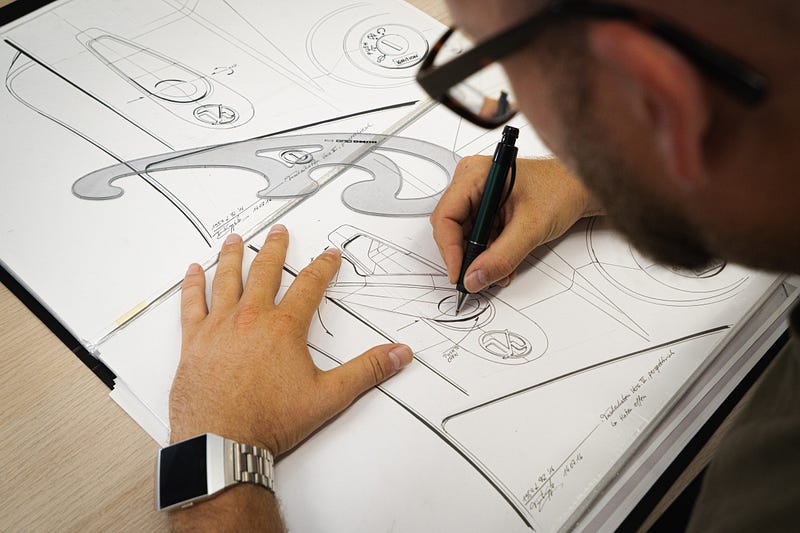
Good attention to detail sets apart exceptional designers from average ones, and it’s a skill that can be developed and improved. Here are four techniques that can help you improve your attention to detail as a designer.
Good attention to detail sets apart exceptional designers from average ones, and it’s a skill that can be developed and improved. Designers who are skilled in paying attention to detail can produce high-quality work that meets the needs of their clients and exceeds their expectations. To improve your attention to detail as a designer, there are several techniques that can be helpful.
Continue reading to learn some examples of methods you can follow to improve your attention to detail, applied in this case to the job of a designer but potentially being extended to any field.
The importance of training your attention to detail
Training your attention to detail as a designer is important because it allows you to produce high-quality and accurate designs that meet the needs of your clients or stakeholders in a more efficient way, removing a lot of back and forth to reach a common ground. By paying close attention to details, designers can catch and correct errors or inconsistencies in their work, leading to a polished and professional final product.
Additionally, attention to detail helps designers consider the nuances of colour, typography, composition, and other design elements, which can greatly impact the overall aesthetic and effectiveness of their work. Ultimately, developing keen attention to detail is essential for establishing a strong reputation as a reliable and competent designer.
How to improve your attention to detail

Observe what’s around you
You can improve your attention to detail as a designer by actively observing and analysing the world around you and trying to go further from what’s on the surface and investigating how and why things are the way they are. Here are some ways to do this:
- Pay close attention to everyday design elements: Observe the design elements such as typography, colour schemes, and composition in advertisements, posters, logos, and other designs encountered in your daily life. Analyse what works well and what doesn’t, and think about why that is.
- Practice critical analysis: Analyse designs and ask yourself questions about why certain design decisions were made and whether they were effective.
- Break down designs into individual elements: Dissect designs into individual elements such as colour, typography, and imagery, and examine how each element contributes to the overall design.
- Challenge yourself to spot details: Set aside time to practice observing and analysing details in designs, and then challenge yourself to identify as many details as possible.
- Seek feedback: Seek feedback from others on your designs and pay close attention to the areas that they point out as needing improvement.

Try to copy things that inspire you
We, designers and creators in general are driven by what inspires us, and there’s no better way than becoming better at making things than using that inspiration to create our own version. You can improve your attention to detail by trying to replicate and copy designs of things you admire or feel curious about. Here are some ideas on how to do it:
- Choose a design to replicate: Pick a design that you admire or feel curious about and try to replicate it as accurately as possible.
- Pay attention to patterns and individual elements: Pay close attention to the details of the original design, including the typography, colour scheme, composition, and other elements.
- Use your own style: While replicating, use your own style and creativity to make the design your own.
- Compare your replica to the original: Compare your replica to the original and identify areas where you need to improve your attention to detail.
- Repeat the process: Repeat the process with different designs, gradually challenging yourself to replicate more complex designs and to pay closer attention to details.
By replicating and copying designs, you can train your eye to spot details and develop a better understanding of how various design elements come together to create a polished and professional design. Over time, your attention to detail will improve, and you will be able to produce higher-quality designs that meet the needs of your clients or stakeholders.

Share what you do with others
You can improve your attention to detail as a designer by sharing progress on your work and identifying those areas where you had to work harder or look for more resources. Here’s how:
- Share your work: Share your designs with a trusted colleague, friend, or mentor and ask for their feedback on areas where they think you could improve your attention to detail.
- Identify areas of difficulty: Take note of the areas where you had to work harder or where you had to look for more resources to get the details right.
- Reflect on your process: Reflect on your process and think about what you could have done differently to improve your attention to detail in those areas.
- Seek additional resources: If needed, seek additional resources such as tutorials, books, or workshops to help you improve your skills in those areas.
- Incorporate new knowledge: Incorporate what you have learned into your design process, paying close attention to details in future projects.
By sharing your work and reflecting on your process, you can identify areas where you need to improve your attention to detail and take steps to do so. Through this process, you will develop a deeper understanding of design principles and become a more skilled and professional designer.

Choose the right tools
Choosing the right tool to design can help you improve your attention to detail while becoming more efficient thanks to the opportunity of focusing on what’s more essential and prioritising tasks that are more aimed to deliver high-quality work, here are some ways of doing it:
- Evaluate your needs: Evaluate your design needs and determine what specific tasks you need to accomplish and which tools have you used or heard before that are better suited for that job.
- Research tools: Look around, listen to the industry and learn from experts on which tools are available and compare their features, capabilities, and ease of use.
- Choose the right tool: Choose a tool that fits your specific design needs and has features that support attention to detail, such as precise measurement tools, colour pickers, and layer management.
- Get familiar with the tool: Get familiar with the tool and its features by using it for various design projects. Take advantage of tutorials, forums, and other resources to learn the tool’s full capabilities.
- Practice using the tool: Practice using it on different projects and refine your skills in using it to its fullest potential.
By choosing the right tool for your design needs and taking the time to become familiar with its features and capabilities, you can improve your attention to detail and efficiency. The right tool can provide you with the right stack of resources and visual aids needed to produce high-quality designs and streamline your workflow, freeing up time to focus on the details that matter most.
Conclusions
As a designer, keeping a sharp eye for attention to detail is crucial in producing high-quality designs that meet the needs of your clients or stakeholders. You can use various techniques to improve your attention to detail, including observing your surroundings, replicating designs you admire, sharing your work and reflecting on your process, and choosing the right design tools.
By incorporating these techniques into your design process, you can better understand design principles and become a more skilled and professional designer. Improving your attention to detail not only enhances the quality of your work but also builds your reputation as a designer who consistently produces high-quality designs that meet or exceed client expectations.
So, keep your attention to detail always in mind and continue to sharpen your skills as a designer. With time and practice, you’ll be able to produce designs that stand out and bring value to your clients or stakeholders.
I hope you found it informative and showed you new ways of improving your skills. If you did, please consider giving it a clap or two to show your support. Additionally, if you’re interested in learning more about design, art, creativity, leadership or No-Code tools, you can follow me on Medium to stay updated on my latest posts.


