
4 Super Easy DIY Plant Fertilizer Recipes
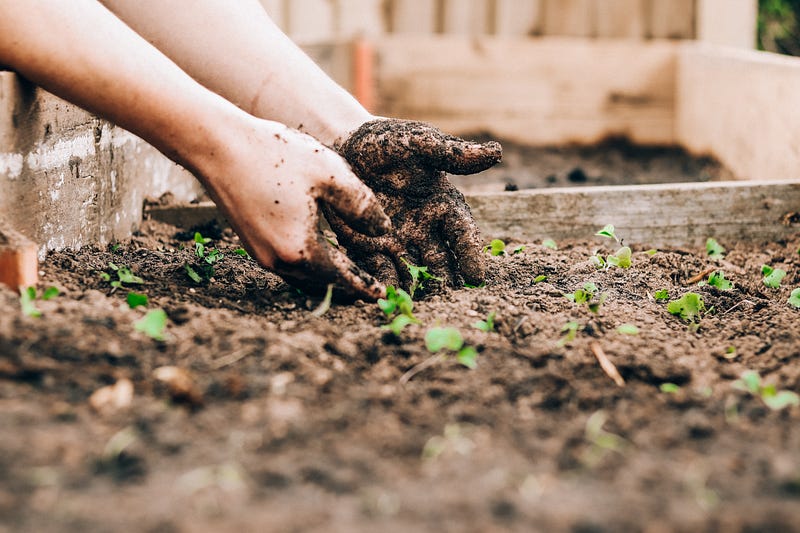
Plants need water and sunlight to grow — everybody knows that, right? However, one of the most crucial aspects of gardening success is ensuring that your plants get the right balance of nutrients. This post will cover ways to make easy, inexpensive, organic DIY plant fertilizer as an alternative to buying pricey and potentially harmful commercial products.
Many growers prefer having the peace of mind that comes from knowing exactly which ingredients they’re putting in their gardens, especially when growing food. And since organic gardening isn’t exactly the cheapest hobby, saving a bit of money on your planting supplies doesn’t hurt either.
Different plants have varying nutrient requirements. By tailoring your fertilizer to each plant’s specific needs, you’ll be able to create an ideal garden environment. Read on to learn how to make DIY plant fertilizer that’s perfect for your home garden.
Why Should I Make DIY Plant Fertilizer?
There are numerous reasons why making homemade plant fertilizer is advantageous. You can purchase bulk soil amendments at your local garden center or farm and feed store for a fraction of the cost of pre-mixed organic fertilizers. Or, turn your kitchen scraps and yard waste into free, nutritious plant food.
In addition to saving money, preparing DIY plant fertilizer allows gardeners to avoid ingredients they don’t wish to use for ecological or ethical reasons. For example, vegan gardeners can use entirely plant-based products. Those committed to staying purely organic should avoid industrial agriculture byproducts (which often contain GMOs and pesticide residues.)
Before adding soil amendments to your garden, it’s beneficial to contact your local extension office for a soil test. That way, you’ll know precisely which nutrients you already have enough of and which ones to add.
Too little or too much of any nutrient harms plants and may even kill them. Check out this article from the University of Missouri to learn more about nutrient deficiency and toxicity in plants.
What Is Plant Fertilizer?
If you want to fine-tune your plant care routine, it’s essential to understand the elements contained in plant fertilizers. Generally speaking, nutrients get classified as macronutrients and micronutrients.
Macronutrients include nitrogen (N), phosphorus (P), potassium (K), calcium (Ca), magnesium (Mg), and sulfur (S). Plants require relatively large amounts of these macronutrients for healthy growth and reproduction.
You’ve probably noticed three numbers on plant fertilizer packaging, along with the letters N-P-K. Nitrogen stimulates leafy green growth. Phosphorus supports fruiting and flowering processes and robust root development. Potassium encourages fruit-set and improves plants’ drought/disease resistance and overall health.
Micronutrients naturally occur in smaller quantities but are still critical for plant health. These consist of boron, chlorine, copper, iron, manganese, molybdenum, nickel, and zinc. Learn more about the function of macro and micronutrients in this article from the Organic Growers School.
Homemade Vegetable Fertilizer
Most fruit and vegetable crops are heavy feeders, meaning they have high nutrient demands. Leafy green veggies like cabbage, chard, lettuce, and spinach benefit from high-nitrogen fertilizers. Plants grown for their fruits and roots, such as beets or tomatoes, require more phosphorus and potassium and perform poorly when they get too much nitrogen.
Here’s a super-simple recipe for an all-purpose vegetable fertilizer. Feel free to customize your fertilizer blend to best suit your needs.
- 2 cups of bone meal or rock phosphate (phosphorus)
- 2 cups of greensand or wood ash (potassium)
- 2 cups of alfalfa, cottonseed, or canola seed meal (nitrogen)
- 1 cup of garden lime (calcium and magnesium)
- 1 cup kelp meal (sulfur and micronutrients)
Combine all of the above-listed ingredients in a lidded container or small bucket using your hands, a garden fork, or a trowel. Since you’re dealing with powdery materials, wear a face mask to avoid inhaling any of the dust.
Apply one tablespoon of fertilizer around each plant’s base and carefully work it into the top few inches of soil with your fingers once every four to six weeks. Seal your homemade fertilizer in an airtight container or plastic bag and store it in a cool, dry place.
DIY Plant Fertilizer and Soil Amendment
If you’re dealing with heavy clay or sandy soil, try adding this fantastic DIY plant fertilizer as a homemade soil amendment. It works to break up and aerate the ground, provide structure, and enhance your garden soil’s microbiome by adding beneficial microbes that help break down organic matter. Or, use it in smaller quantities as your regular plant food.
- 1 gallon of organic compost
- 2 cups of crushed eggshells
- 2 cups of cold manure (alpaca, cow, llama, rabbit, or sheep)
- 2 cups of worm castings
- 1 cup of used coffee grounds
- 1 cup of wood ash
Mix the ingredients together in a large, airtight container with a lid using a trowel or garden fork. Cure it sealed for two to four weeks.
If you’re making a soil amendment for a large area, plan on using five gallons of this mixture per 20 square feet. Till it into the ground in late fall or early spring.
For regular use, spread one cup of homemade fertilizer around the base of each plant and thoroughly water it in. Store your DIY plant fertilizer sealed in a cool, dry place.
Feed Your Plants with Grass Clippings and Weeds
Weeding and mowing the lawn aren’t usually our favorite garden chores. But did you know that you can turn yard waste into plant food?
- 1 gallon of grass clippings and weeds
- 4 gallons of water
- 5-gallon bucket
Begin by placing your grass clippings and weeds (roots, dirt and all) in a 5-gallon bucket. Pour in the water, cover the bucket with a lid, and let it steep for one or two weeks.
Once your weed tea has a deep brown color, it’s ready to get used as liquid fertilizer that’s rich in all the essential macro and micronutrients. Apply your DIY plant fertilizer as a foliar spray or root drench.
Make DIY Plant Fertilizer with Banana Peels
Banana peels are a wonderful source of potassium, calcium, and manganese. These nutrients encourage healthy growth, boost fruit production, strengthen cell wall structure, and enhance photosynthesis.
There are several different ways to use banana peels in the garden. For fast results, make a liquid foliar spray or root drench. Chop up your banana peels, soak them in water for 2–3 days, and then strain the liquid into a clean spray bottle or watering can.
Alternatively, create a nutrient-rich soil amendment by drying the banana peels, grinding them up into fine grains, and spreading the powder around the base of your plants. Another option is burying banana peels directly in the soil next to the plant or placing several pieces in the bottom of your planting hole, a practice known as trench composting.
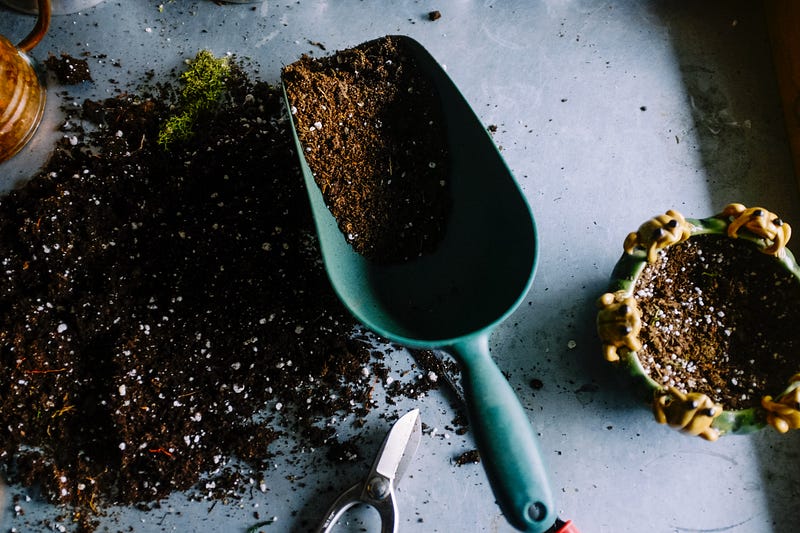
Creating your own DIY plant fertilizer is a fantastic way to make gardening friendlier to the environment and your wallet. Put your kitchen scraps and yard waste to good use by turning them into nutrient-rich plant food. Or, purchase bulk soil amendments from a garden center or farm and feed store to create custom fertilizer blends tailored to your plants’ specific requirements. Use your homemade fertilizer on edibles, houseplants, and ornamentals alike.
Do you have any questions or suggestions about making DIY plant fertilizer? Please share them in the comments! If you found these gardening tips useful, feel free to share this article with your fellow gardeners.
Originally published at https://gardengnomeacademy.com on May 12, 2022.


