
4 Simple Habits Great Communicators Practice Relentlessly
Communication is a process always ongoing.
For non-members, you can read this article here — my Substack newsletter.
Communication is the fundamental unit of success in any relationship.
At its root, the challenge of managing a team or maintaining great relationships is really a challenge of communication.
We all must learn to communicate in ways that are heard and understood and learn to listen to understand.
Moreover, from the solid research on leadership and relationship management, we know that bringing vulnerability in conversations and holding a safe space for others provide great support in crucial moments.
Great conversations allow people to feel connected, heard, and seen. Deep listening offers others a space to show up and say what they have to say by expressing their feelings and emotions.
Communication skills 2.0
1: Communication is a process always ongoing.
Two types: verbal and non-verbal.
Great communicators know that both types interact in a conversation. Words, tones, and gestures are all in perfect sync. Even when we are silent or listening, we communicate. These are different channels with the same result. This is what makes them “feel” authentic.
Great communicators don’t get easily distracted by words.
They understand that words, behaviors, and tone of voice are symbolic. Gestures or silence hold meanings and have impacts just like words do. They don’t miss that millisecond of silence, the change in tone, and they scan for micro-signals. Like any language, non-verbal communication has words, sentences, and punctuation.
Great communicators do mean what they say and say what they mean.
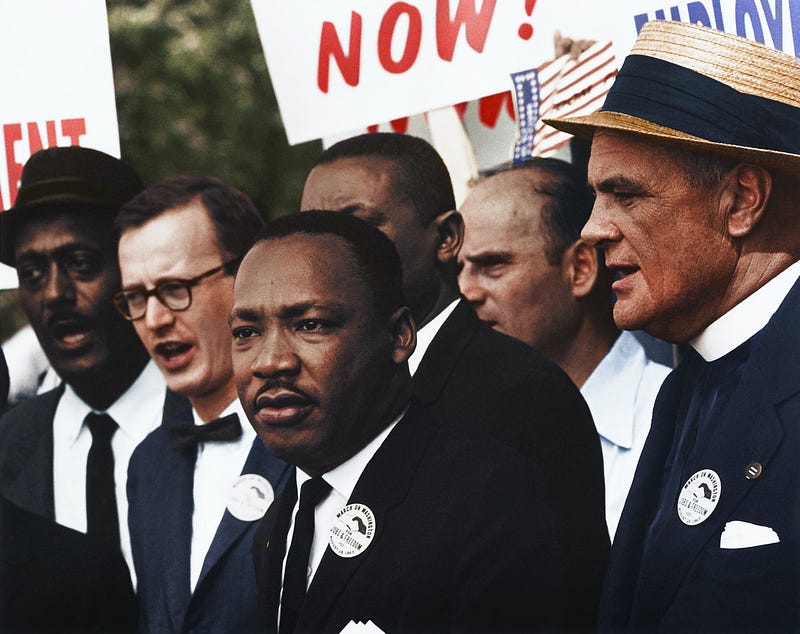
Did you know that the “I Have a Dream” speech, one of the most famous in the world, was spontaneous? Hear the words, watch the gestures, notice the tone of voice, and pay attention to the moments of pause.
2: It’s how you looked when you said it, not what you actually said.
Great communicators understand very well another language: the language of emotions and attitudes.
Emotions are instant reactions of the body to something happening in the immediate environment. If you see a spider now, you may immediately get scared. Non-verbal language is an outward reflection of a person’s emotional condition.
Great communicators understand that you never say what you mean or feel.
Great communicators construct intentional conversations based on their exceptional ability to read emotions while noting the circumstances under which they are said.
3: Great communicators elicit feelings in any discussion they have.
Have a look again at the “I Have a Dream” speech. It elicits passion, it excites, stirs instant emotions. Dr. King uses emotive words, his tone is undulating, and he paints a vivid picture with words.
Great communicators don’t chit-chat. They ask questions about your goals, feelings, and how you will go about your goals. They don’t gather information, they are interested in feelings. Through questions and listening, they help others gain self-awareness.
4: Great communicators do not try to impress people
In every interaction, great communicators have the intention to learn from others and improve their day. They are patient and present.
Great communicators see greatness in others; they hold everyone in high regard. They make friends everywhere they go. Friendliness is their non-verbal language — they smile with their eyes, maintain an open posture, and their tone of voice is warm and inviting.
Great communicators do not seek validation. They speak their truth. They stand by people who do the same. Back to point 1, they are authentic, so they don’t need praise or to impress.
Final thoughts: Great communication is simple.
Mind that I did not say easy; it’s simple.
- Be congruent and authentic. Say what you mean and mean what you say.
- Understand the unspoken language of emotions and match them to the context.
- Elicit feelings in others; Ask questions to understand the underlying feelings, goals, dreams, and desires.
- Don’t try to impress or seek validation. Speak up your truth and create a safe space for others to do it too.
In one of Freud’s psychoanalytic therapy sessions, he reported that while a patient was verbally expressing happiness with her marriage, she was unconsciously slipping her wedding ring on and off her finger.
Hi there, I’m Alina 😊. I write about personal growth, leadership, awareness, and the power of radical inquiry. Please subscribe to my newsletter if you want to receive thought-provoking content.