

4 POWERFUL Ways to Take Control of Your Life
Build your self-worth and STOP feeling negatively about yourself!
Trying to deal with unexplored territory and getting outside of your comfort zone as a way to evolve can be tricky.
You need to be able to control 4 elements to make this experience one that builds your self worth instead of dragging you down into feeling ‘not good enough’.
I’ve been an entrepreneur for over 7 years and I’ve often felt I spread myself thin and I drift in too many directions without a clear trajectory as entrepreneurship gets you sometimes lonely on less walked paths. I’ve been dealing with the lack of “identity” for many years. In my moments of change and confusion, I often asked for help and then let myself influenced by others so much that I lose myself in the process.
So after years in therapy, I was able to align and converge what are the 4 elements I need to be in control of internally so that I am not controlled by others or the environment and I don’t have the sense that I am floating on a rescue boat in the middle of the ocean with no compass.
1. How do I perceive myself and others?
The fundamental question to ask yourself in a situation where you notice you struggle /worry/face change/ are afraid of unknown is to notice how you perceive yourself in a relationship with the facts or events or people who triggered the situation you’re in.
You might feel you’re a victim of the things that you’re confronted with and you have no power to change that.
I have a great quote for that shared with me by my yoga teacher who is a gay activist at heart and loves finding examples of empowerment of this kind.
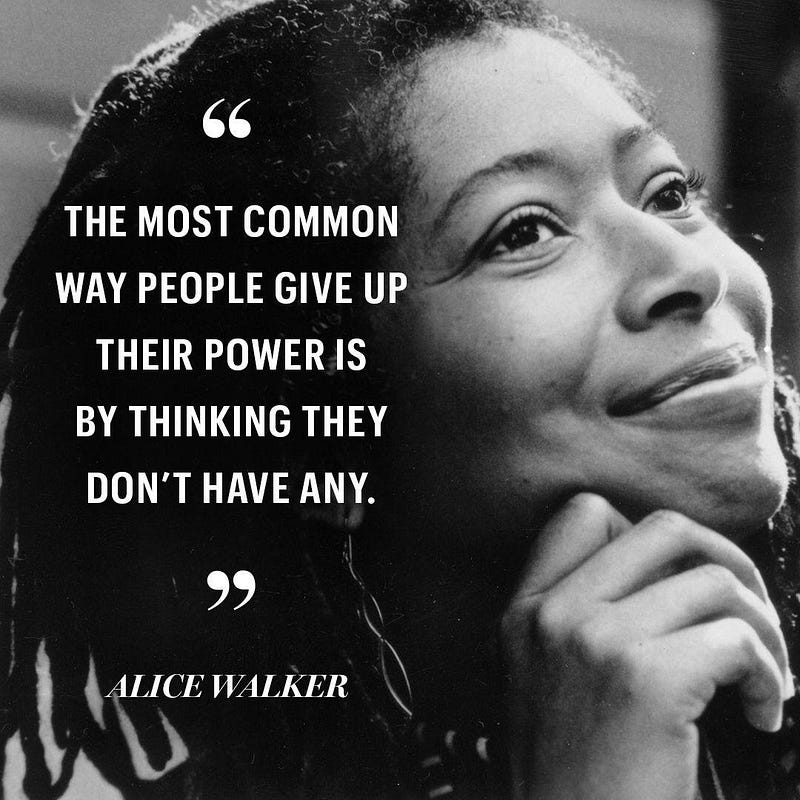
What does this quote say about the perception of self? It says you’re supposed to carefully analyze whether that’s really how things ARE or this is just a reflection of what you THINK it’s true. If you think others have more power than you about a topic/ situation, then you’re underestimating your whole worth in the world for all the things that you bring with your presence. Power needs to be redefined. And we need to let our inner compass guide us and see our inner power more before we give in to a context that is overwhelming and hard. Strength is built through hardships. Resilience, on the other hand, is formed by persevering in situations when things are not easy.
2. What’s my relationship with others?
As soon as you’ve identified your position, you can start analyzing your relationship with others. Do you position yourself lower? Do you think you are controlling them? Do you notice the transactional relationship you have with them?
There are some great tools to help identify these relationships and their transactions: the Karpman drama triangle and Eric Berne’s transactional analysis. Both help you establish how you will play your power with others and how you will be influenced by their behavior if you are not mindful of your ego position in the relationship.
Being able to take a step back to put another thinking hat and to put yourself in the shoes of the other person helps you see who is projecting what and who is mirroring what and untangle the real reasons of the struggle between you and the others.
3. What emotions do I feel in my body? What about my mind? What’s the intensity and speed of those emotions changing?
This is yet another step into regaining trust in your instincts. If you give yourself the time to sit down and breathe and be mindful of your emotions and what your body is telling you ( 10 minutes of meditation can do miracles for you if you have that in your practice) then you’re able to work your response to the event/ situation from a position of confidence over your true intentions and needs.
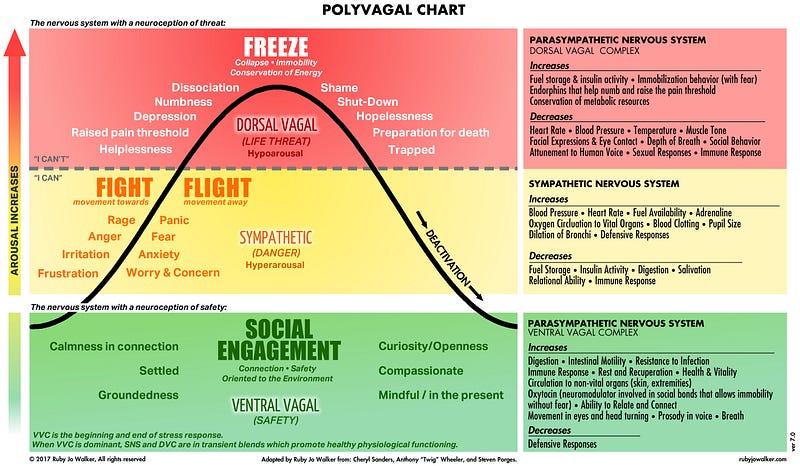
If you feel rage or anger and you have a heavy breathing and your hands are shaking, then you’re probably not in the best moment to decide how to move forward because your needs are not met. Somewhere in your past, you must have felt the same about similar issues. If you can spot the pattern, you may be able to go as deep as finding out WHY you feel this way now.
That’s usually something you can achieve by doing Emotions Focused therapy which is a combination of Gestalt therapy ( dealing with how you feel about a certain aspect) and Cognitive Behavioral therapy ( dealing with how you behave about a certain aspect of your life). Truth is that no therapy will completely change everything for you. But what it does is that it improves your reactions and symptoms and makes it easier to deal with it in the long run.
4. How do I control impulses? What can I do to help myself control them better?
The most difficult part about control is to let go of wanting to react immediately which is driven by your ego. Once we’ve learned how to pause ( The Marshmallow Test is a great book on training your patience) we can observe what we want to do in the impulse of the moment. This zoom out perspective allows you to reflect on your actions or potential actions from a non-emotional perspective. You’re less driven by your ego and more in charge of your speed of reacting.
The more you notice this is going directly on auto-pilot and you can’t pause, the more you will know you have a serious problem there you need to take care of. Pathways in our brain that trigger fast reactions are learned abilities to deal with crises and are hardwired in our limbic brain.
The way to untangle that and reroute is by understanding under which circumstances we formed those responses in our childhood. As we can determine that and work on the initial trauma, we can delay the response time to different stimuli and triggers and start allowing the pause to enable a more rational brain to take over.
In the end, the purpose of this discipline is not to refrain from doing things as we “feel” them but to reflect more on why we feel certain things and update our responses to those situations as a self-actualization process.