
4 Powerful Ways Successful People React After They Fail at Something
The ways truly successful people treat a failure is what it allows them to be the successful people we know them to be.

The cure for the fear of failure is failure itself. Conquer the fear and anything is possible. This is one thing truly successful and driven people have internalized.
They fail, they get past it, and succeed. Having accepted the inevitability of some sort of failure they are able to embrace it as a component part of the process and move up.
“I’ve come to believe that all my past failure and frustrations were actually laying the foundation for the understandings that have created the new level of living I now enjoy.” — Tony Robbins
So what do they do when they fail?
Take lessons

“I’m sure I’ll make many more this year and learn valuable lessons from every error. Anybody who tells you they don’t make mistakes has just made one.” — Sir Richard Branson
In failures, they draw lessons leading to greater understanding and wisdom. The kind of wisdom that success, on its own rarely teaches.
Billionaire Richard Branson isn’t shy to admit to making mistakes, but will also gladly state the lessons drawn from each one. His most remembered fail is, of course, Virgin Cola, but there was also Virgin Cars which, shut down after just five years. He said that venture taught him that the best opportunities for disruption in the automotive industry actually lay in the development of electric cars and clean fuels and not in the process of selling cars.
“The experience with Virgin Cars taught us something that we have incorporated into our overarching vision ever since: In the modern world, there can be no profit without a well-defined purpose.” -Richard Branson .
They refuse to let it define them
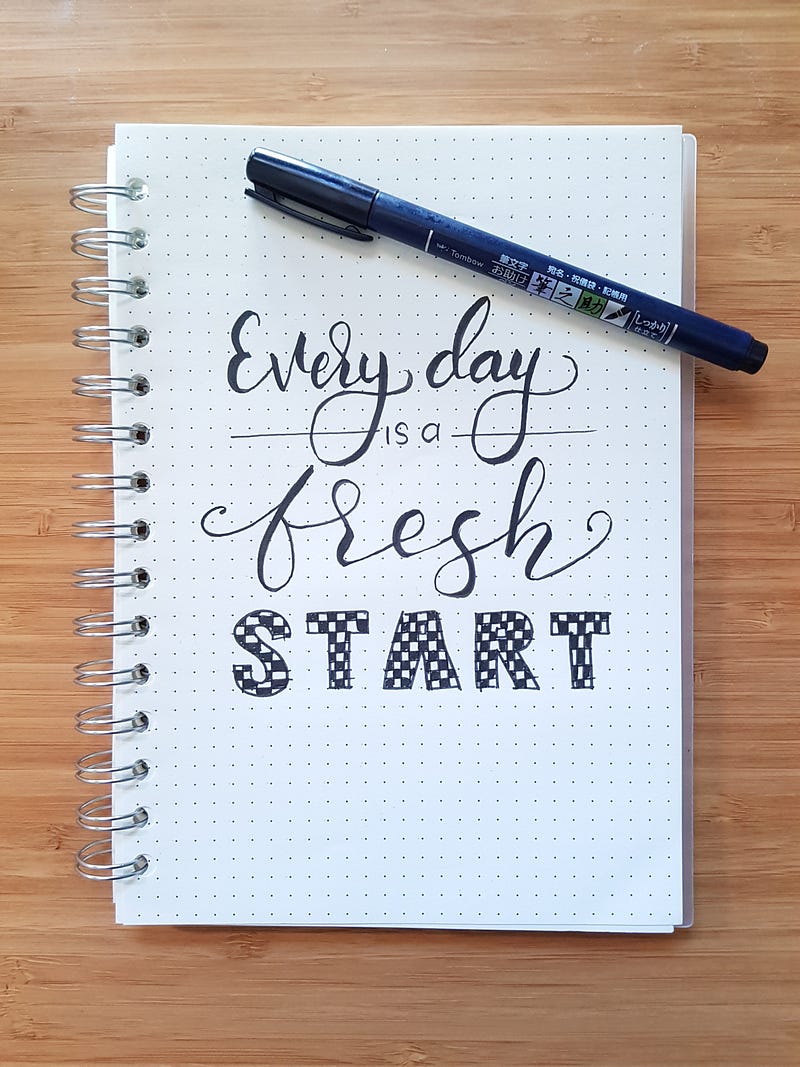
All humans make mistakes and fail at some time, successful people take this to heart and don’t let failures define them. To confident super achievers, failing is not the worst thing. Conceding defeat is. So they take the shot again, and again.
“I’ve missed more than 9000 shots in my career. I’ve lost almost 300 games. 26 times, I’ve been trusted to take the game winning shot and missed. I’ve failed over and over and over again in my life. And that is why I succeed.”- Michael Jordan
They get into contingency plan mode

Even though they hope for the best, they are always prepared for the worst. That means, plan B.
A contingency plan could be the second or third best way to achieve the same goals, alternative goals, or simply to help minimize fallout. Either way, it can limit crisis periods, save time and energy and make transitions smoother.
Others believe having a plan B only detracts from plan A. They insist on just boldly going only for the prize and nothing else. However, it’s unrealistic to expect success at everything, every time simply because you want it.
Therefore, having a backup plan, far from indicating half-heartedness, shows realistic thinking and the foresight to plan for alternatives even before the need arises.
“The most successful people are those who are good at plan B” - James Yorke
They see it as an opportunity to begin again

According to the great American industrialist and business magnate, Henry Ford, failure is simply the opportunity to begin again, only this time more intelligently. For successful people, it means after careful revaluations they take the next shot from a more intelligent position.
Fails are never pleasant, for sure but therein lies the opportunity to go back to the drawing, tweak and take aim again perhaps even higher than the last time.
Conclusion
Failure is not the end. Recovery from failure and moving on to achieve greater things is always possible because even in failure there is opportunity. Provided the lessons inherent are not ignored and defeat is not conceded.


