
4 medical signs that we’re on our way to immortality

Human life is getting longer and longer. Medical advances mean that we can already, with the right financial resources, cure what was not long ago incurable, replace damaged organs with others, or wait out our own death until someone discovers something that will allow us to come back to life.
.jpg)
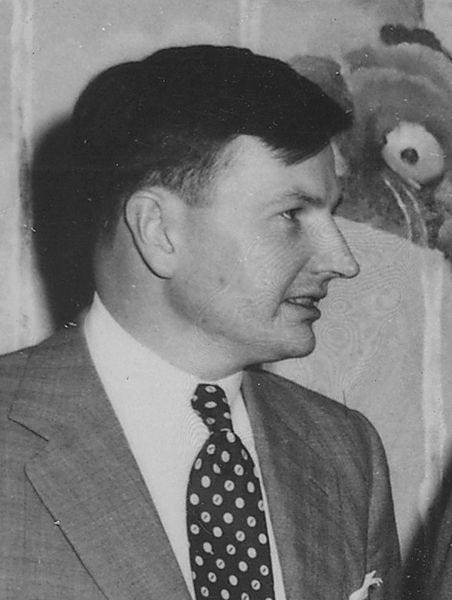
David Rockefeller, the great American industrialist, died in 2017 at the age of 101. He was not one of those people who lived to such a ripe old age in good health and condition. He had to undergo several heart transplants, two kidney transplants and many minor surgeries to prolong his life. He was able to afford it because of his immense wealth. Although in the end Rockefeller lost the race against death, he proved that with sufficient financial resources it is already possible to prolong human existence. Given the pace of medical development, this will become more and more effective in the future. As the infuture hatalska foresight institute writes in its book “Far future. The Story of Tomorrow.”
“In the future, medicine and technology, as well as genetic modification, will allow man to exceed his own limitations — both physical and intellectual. Man will become a near-perfect individual: eternally young, eternally healthy. Additionally, he will be able to replace for himself a worn out or malfunctioning body part. This can also extend the life span on Earth in an unlimited way. Humans will become, as it were, a new species that lives forever, made of spare parts.”
On the road to immortality
Medicine is already giving us a foretaste, if not of immortality, then certainly of longevity and human enhancement. Practices that allow damaged or diseased organs or body parts to be replaced, treatments that prolong youth, and techniques that allow unborn children to be perfected are becoming more advanced and more widely used. Here are the most prominent examples:
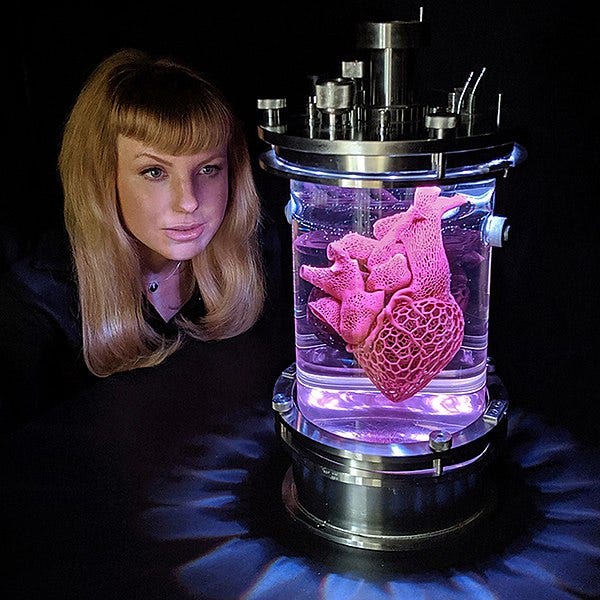
1. 3D Bioprinting 3D organ printing is a giant step forward for medicine. Thanks to this method, people who spend years waiting for a transplant, waiting in lines, losing hope, will be able to receive a new organ without having to search for a suitable donor.
Researchers at the Wake Forest Institute for Regenerative Medicine, who developed the Integrated Tissue and Organ Printing System (ITOP) printer. In 2016, they successfully printed an ear, muscle, and bone for transplantation.

2. Cryopreservation We all associate cryopreservation with many sci-fi movies in which characters were frozen for many years, only to eventually wake up in the distant future. For example, in the movie “A.I. Artificial Intelligence,” the parents of a sick child used this method to let him wait until a drug was invented that would allow him to survive.
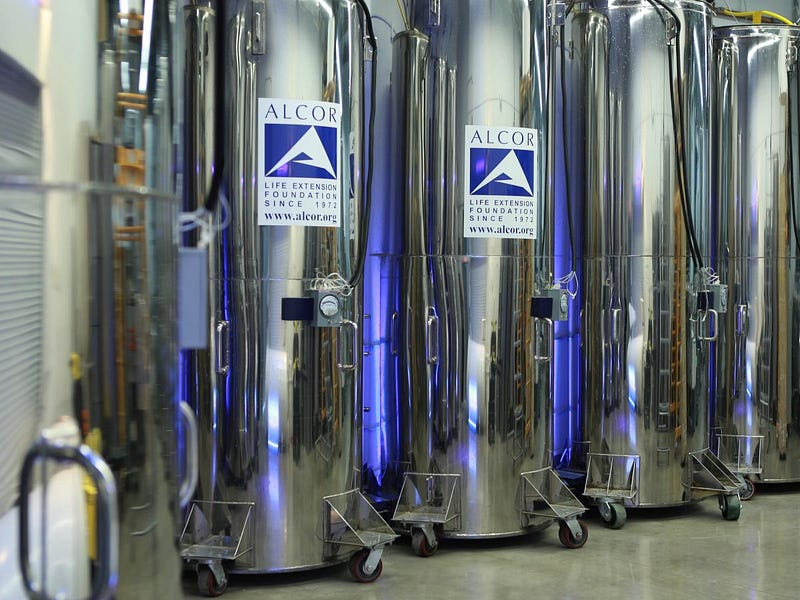
A similar idea is shared by members of the Alcor Life Extension Foundation, who pledge to freeze their bodies after death so that when people become immortal or a cure for the disease that killed them is discovered, they can be brought back to life.
3. Cutting out defective genes Humanity is fighting imperfection and disease. In some sci-fi movies, the filmmakers present a vision in which parents can control the genes of their unborn children so as to perfect them and remove the possibility that they will become ill in the future (e.g., the movie “Gattaca”).
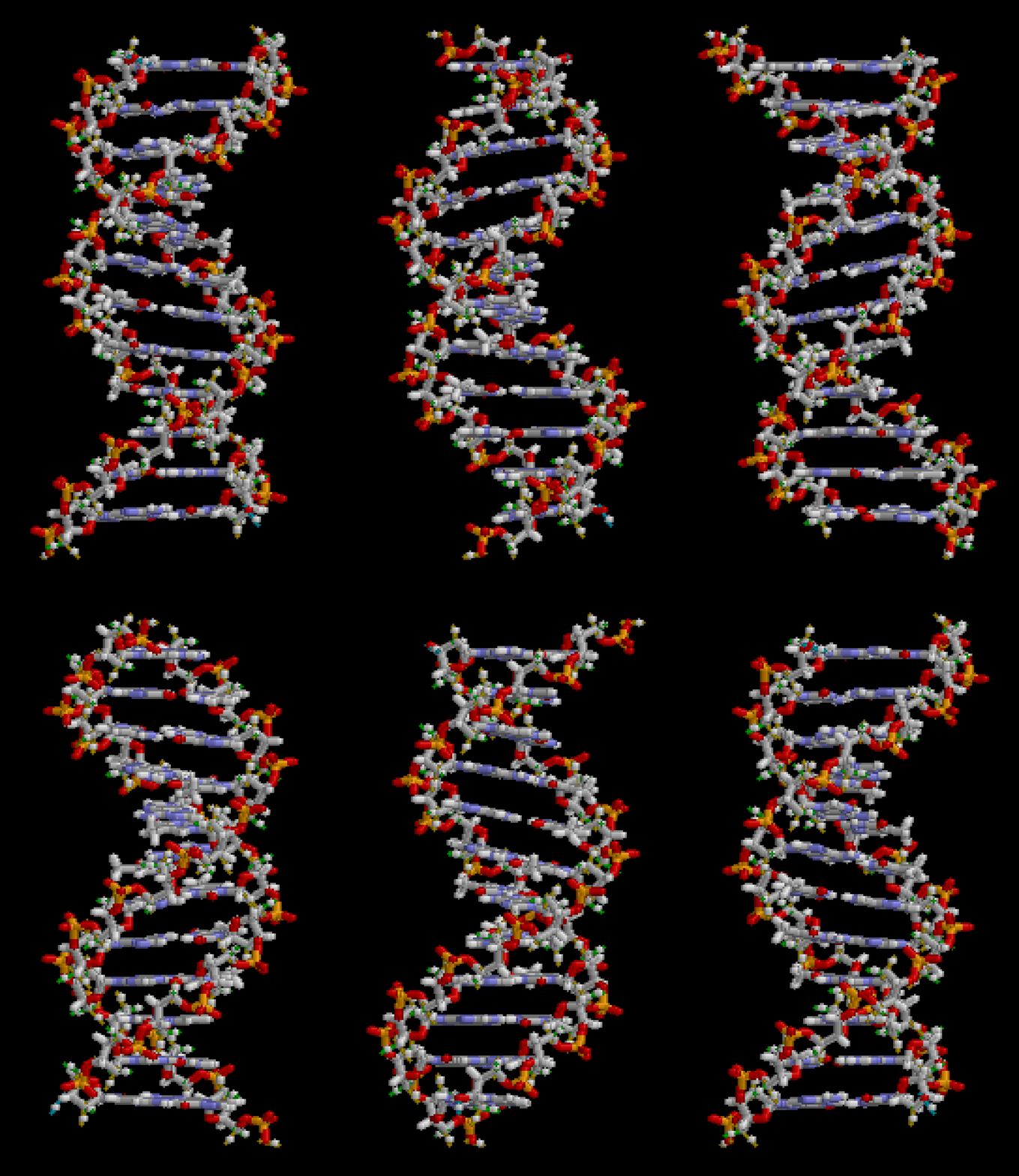
For now, medicine is improving CRISPR/CAS9 technology, which, in simple terms, involves cutting out diseased or defective genes and replacing them with healthy ones. One experiment with this technology involved interfering with the bodies of 60 women infected with human papillomavirus (HPV) by applying a special gel containing cervical-specific DNA. This is supposed to inhibit the growth of the virus that causes cervical cancer. Researchers at Oregon Health & Science University have removed a gene responsible for heart disease from the human body.

4. HPE and HET Two more technologies that enhance humans are HPE (human performance enhancement) and HET (human enhancement technologies). They are used in both disabled and able-bodied people to improve their abilities, both physical and mental.
For example, exoskeletons can be used to help people who have lost their mobility due to an accident. There are also bionic implants, such as the cochlear implant, which allows people who have lost their hearing to hear, and non-vital transplants, which can be used in people who do not need it to save their lives, but to help them function more efficiently. Drugs that make the mind work more efficiently (smart drugs) are also being developed.
Conclusion
The invention of a drug or therapy that would extend human life is certainly a vein of gold. Right now, it’s a distant prospect, so the world’s most powerful companies haven’t yet taken a serious interest in the problem. However, it is the business of the future.
Cool that you made it to the end of this article. I will be very pleased if you appreciate the effort of creating it and leave some claps here, or maybe even start following me. Thank you!