
4 Lessons From A Viral Article Gone Wrong
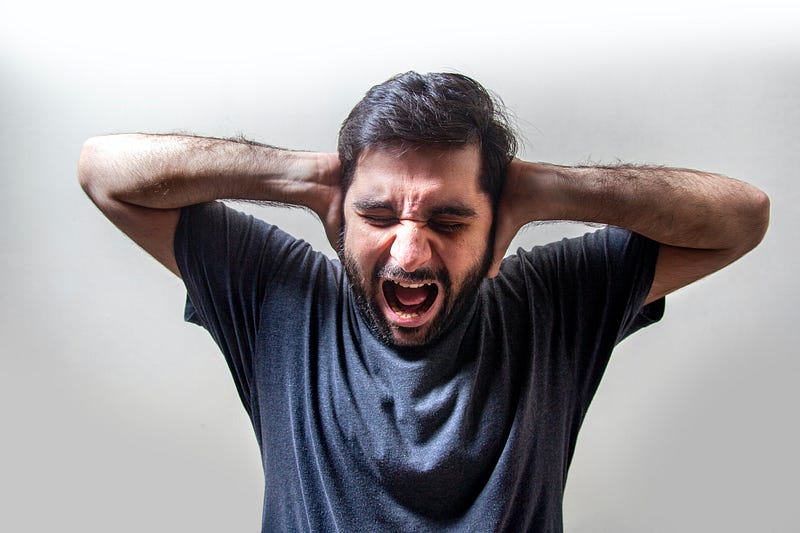
My viral article punched me in the face.
When I started writing on Medium a few months ago, all I wanted was just one article that would be read by thousands.
I’m quite familiar with the frustration that comes from spending hours on a story that ends up being read by 3 people (one of which is your mom), and the fantasy of writing a viral article seemed like everything I’d ever wanted and more.
A few weeks ago, I both got my wish and I learned a valuable lesson: be careful what you wish for.
The results were mixed: several thousand claps, an increase in followers, and a few handfuls of people in my comments section telling me I was an idiot and horrible writer.
Dealing with the inevitable reality of having actual haters taught me invaluable lessons on both dealing with negativity and believing in myself. For creativity, these are crucial lessons to learn.
Here is what I learned from a week (and counting) of having my writing grilled by strangers on the internet:
Lesson 1: People Can Be Really Mean Online
“Going viral” went from being a cool experience to an overwhelming one very quickly, and it’s my own damn fault. I chose the subject matter.
I mean, any article that aims to deconstruct an entire philosophy or religion in 9 minutes is going to lead to disagreements. Crazy enough, not one lifelong Buddhist read the work of a 23-year-old white kid and thought, “Wow, this is the piece that changes my worldview.”
Some people said the article was stupid and others said that I just had no idea what I talking about. One guy called me a “stupid stupid man”, while another rhetorically asked if there was a way to “downvote” an article on Medium.
Oof.
At first, I was able to brush these comments under the rug, but ultimately they did start to bother me. I’m really not used to having a small mob of people telling me that I’m the village idiot. When people are behind a keyboard, they’ll say whatever it takes to get under your skin.
Lesson 2: Haters Always Seem Louder Than Fans
When someone applauds our articles or congratulates us on our achievement, we feel validated. If you have a healthy relationship with your ego, you probably feel like you’re on top of the world, but you also know that you won’t stay that high forever. You’re proud but not arrogant.
When someone (even a stranger) rains on your parade and talks down about your work, you aren’t brought back to earth. You’re brought below it. Your self-esteem is thrown into the ring and forced to fight for your sense of self.
Humans have an innate desire for approval, so it’s completely natural to feel like the world is ending when people tell us that we’re stupid or that our accomplishments mean diddly squat.
It feels like you’re back in the schoolyard and some bully is telling you that you suck at basketball or that you look fat in those jeans. Constructive criticism is one thing, but online bullying from strangers on Medium, Facebook, or any other platform can have negative effects on your mental health.
Greg Lukianoff and Jonathan Haidt talk about the negative mental health effects of social media in their book, The Coddling of the American Mind. The comments made me so upset I even took a few days off of writing, which I almost never do.
Despite support from some readers, the divisive nature of my article taught me that though haters seem loud, their opinion matters just as much as those who are praising you. You can’t let either side get to your head.
Lesson 3: Feeling Stressed? Talk To Real People
The internet is a crazy place. There are people from literally every single walk of life online and most of them have different experiences and interpretations than you or me. If you want to poke the bear, you’ve got to be ready for it to snap at you.
But really, the internet is not a bear, and you’re not required to respond to every single guy on the internet who tells you that you’re a moron. You can always go back to the real world. Funny enough, people are nicer there. Your Mom or wife will probably not change her opinion of you based on a blog post.
Though many writers say you should treat your readers as close friends and give thoughtful replies to each comment on your posts, I think sometimes there are situations where it’s okay to take some space. Your mental health is more important than your brand. After I went viral, I realized how badly I needed a Medium detox.
As much as I’d love to clap back at every single hater on the internet, by doing so I’m only adding more hate to the pot. By writing an article that questioned the philosophies of millions, I’ve already done enough pot-stirring for the month.
That’s why after the article took off I deleted my Medium app for a few days and hung out with my girlfriend, did some jiu-jitsu with my friends, and read some fiction. I barely wrote at all, but I came back feeling inspired.
Virality is like any virus: you need to quarantine yourself to stop the infection.
Lesson 4: Move On As Soon As You Can
Since the blog post came out, I have published two more posts and have several more in the works. I’m a relatively new writer, so I’m still learning a lot every day. Each article teaches me more about wordplay, sentence structure, and revision. I enjoy that process more than anything.
After my short break, I got right back to work on new ideas that I wanted to explore.
If I let myself think about those people who disagree with the thoughts articulated in my article from nearly a month ago, I’ll run myself into the ground. I’ll burn myself out well before my time.
If I obsess over the ideas from that article more and more, I’ll develop a hatred for philosophy, when it was a fascination for philosophy that sparked my curiosity to write in the first place.
Instead of dealing with crap from people who don’t even know you, focus on yourself, your work, and your passion for what you do. Creating compelling articles is a lot more fun than replying to haters who’ve never even published a story.
My point is, don’t be like an internet troll. Be like 2pac:
“You can spend minutes, hours, days, weeks, or even months over-analyzing a situation; trying to put the pieces together, justifying what could’ve, would’ve happened… or you can just leave the pieces on the floor and move on.” — Tupac Shakur
In Conclusion
“If nobody hates you, you’re doing something wrong.” — Dr. House
Malcolm X, Gandhi, and Martin Luther King Jr. all had way more haters than I ever will. They changed the world. I’m just some guy with a blog. If people are taking the time to hate what you’re doing (and it’s not hurting anyone), keep doing it. It’s likely that plenty of others are taking the time to enjoy it.
Though my piece really pissed a few people off, many readers also said that it really resonated with them. The lesson wasn’t “everyone’s opinion of me matters more than anything else”, the lesson was “keep writing, you’re doing something right”.
I want to be the best writer that I can be, and the best writers create stories that might make people upset or uncomfortable. Don’t let a handful of dorks online be what stops you from pushing yourself to create your best work and rise to the next level.