4 Lesser Known Ways To Cope With Anxiety
Learning to Live With Chronic Anxiety After Stroke

Last month my life got turned upside down. While at the beach with my 3 children, I had a stroke. Being a 40-year-old woman that eats well and works out most days of the week, having a stroke wasn’t something I had anticipated.
I was extremely lucky and didn’t suffer any serious long-term effects. My speech returned to normal and the strength and fine motor control returned to my right hand. I wish I could stop here with a nice happy ending but unfortunately, that wasn’t my story.
As I returned from the hospital, I was greeted with flowers, hugs, and family boasting about answered prayers and thank god you’re fine. From the outside, I looked great but sadly on the inside, I was anything but fine.
The life-crushing anxiety started the minute I realized I was having a stroke. It began the moment I tried to tell my son that I couldn’t feel my arm. I was thinking clearly but I could not communicate.
The right words were in my head but it sounded like a slurred foreign language coming out of my mouth. That was a terror I had never felt before. I felt like I was trapped inside a body that I couldn’t escape from. I remember wanting to scream but couldn’t.
After I regained my speech, I thought the anxiety would lift but it didn’t. Repetitive thoughts tirelessly ran through my mind. Where will I be when I have another stroke? How bad will it be this time? Will I be driving? Will I kill someone else? Who will take care of my children? The thoughts wouldn’t stop.
Anytime I’m faced with a problem, my first instinct is to learn as much as possible about it and then fix it. It must be the nurse in me, always wanting to fix everyone. So that’s what I did. I researched anxiety and tried everything until I found what works for me.
I am by no means telling you how to diagnose or treat your anxiety. I just want to bring awareness to this awful disease and tell you what helped and still helps me now.
What is Anxiety
After reading many definitions I settled on this one. Anxiety is a physical and psychological response to a frightening situation. It can cause constant feelings of worry, fear, unease, and many physiological effects such as:
Feeling Irritable
Difficulty concentrating
Persistent thoughts
Restlessness
Rapid Heart Rate
Constant Fatigue
Sleep problems
Constant feeling of impending danger
I’ve learned that most anxiety disorders after stroke are caused by psychological and biological changes in the brain.
Anxiety is common after stroke and affects nearly ⅓ of all patients.
What Didn’t Work For Me
When I learned that anxiety was so common after a stroke, I was a bit relieved. At least I could put a name to the persistent thoughts and the uncomfortable way I was feeling.
I also was relieved because I thought, if it was so common, there must be an easy way to treat it. That turned out to be a huge disappointment.
The suggestions I was given to alleviate my anxiety were:
- Mindfulness
- Medications
- Diet Changes
- Cognitive and Behavioral Therapy
I’m not trying to imply that the above techniques don’t help some people. I am only stating that these methods did not help me.
What Did Work for Me
After quite a bit of digging and experimenting, I finally found some ways to successfully decrease my anxiety. Doing these things often has helped the persistent worrying calm down and has made it possible for me to get back to my life.
- Set a Timer
This has helped alleviate my anxiety the most. When my persistent thoughts are roaring in my head and I can’t focus on anything else, I set a timer for 2 minutes.
During those 2 minutes, I don’t try to distract myself at all. I let the anxiety rage and I just sit in it. Sometimes I cry uncontrollably but I just let myself feel those feelings.
Then when the timer goes off, I go do something that brings me joy. I play with my kids or write. It doesn’t matter what it is, as long as it makes you happy.
After doing this several times you’ll realize that the anxiety becomes less and less intense and you’re able to sit through it much easier than the time before.
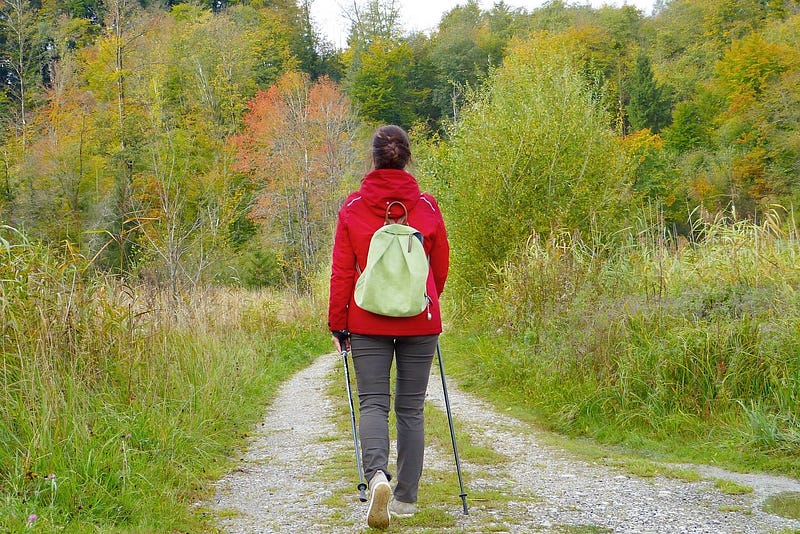
2. Nature/Silent Walks
Find a peaceful location in nature like a forest, park, or beach, and walk. It’s a lot like Mindfulness but for people who can’t sit still like myself, it’s much easier.
While you’re walking, tap into your senses. You’ll start to notice that thoughts and feelings start to surface.
My favorite part about it is that the silence enhances my clarity and helps spark my creativity. Sometimes I’m able to decrease my anxiety by reflecting on my thoughts and then trying to problem-solve.
People also experience moments of inspiration.
Studies show that silent walking:
Helps Reduce Stress
Improves Mood
Increases Mindfulness
Increases Awareness
This took some getting used to because I had to step out of my comfort zone by giving up earbuds and music. I always thought music relieved my anxiety until I started doing this.
3. Find a Creative Outlet
Expressing our creativity does double duty by reducing both anxiety and depression. There are so many creative outlets to choose from but finding one that makes you happy is the most important.
Studies show that different hobbies reduce anxiety in different ways. For example:
- Crafting or DIY projects help calm the mind. Doing these activities helps you focus on something besides the repetitive thoughts in your mind.
- Sewing, knitting, and gardening release dopamine which is a natural depressant. Taking part in these activities helps quiet the noise in your mind so you can experience calm and peace.
- Journaling and Painting can help you process trauma in different ways.
Since having a stroke, I have found that writing has been my creative outlet. When I’m writing, my anxiety melts away. I feel a peacefulness that I can’t find doing anything else. I’m also able to process my feelings through journaling which I’m very grateful for.
4. Set Boundaries
I’ve always found it difficult to prioritize my health mainly because I am a people pleaser and a caregiver by nature. Since I set proper boundaries with people, prioritizing my health has become much easier.
I found that being able to say no to people that put me in stressful situations dramatically reduces my stress.
You can set boundaries with people and situations. Then choose if you want to avoid, limit exposure, or take a break from them.
For example, after my stroke, I chose to not go back to my job as a nurse for an extended period of time because I know that my work environment is very stressful. By taking this time off, I’ve established a firm boundary to reduce my stress and prioritize recovering from my stroke.
Conclusion
Anxiety can be a life-changing and debilitating disease. It’s also a very personal disease meaning that it is very specific to each person suffering from it.
The treatments for anxiety are just as personal. They vary depending on the person and what types of side effects they are exhibiting. Finding the right treatment can be time-consuming and frustrating but relief is attainable.
I kissed a lot of frogs before I found my prince but now I’m at peace with my disease. The above 4 techniques that I use help me live a life full of joy.
My life is forever changed but not for the worse.