
4 Habits by Jay Shetty To Build & Boost Your Self Confidence
Learn whether you should ditch — or embrace — some “common” habits.
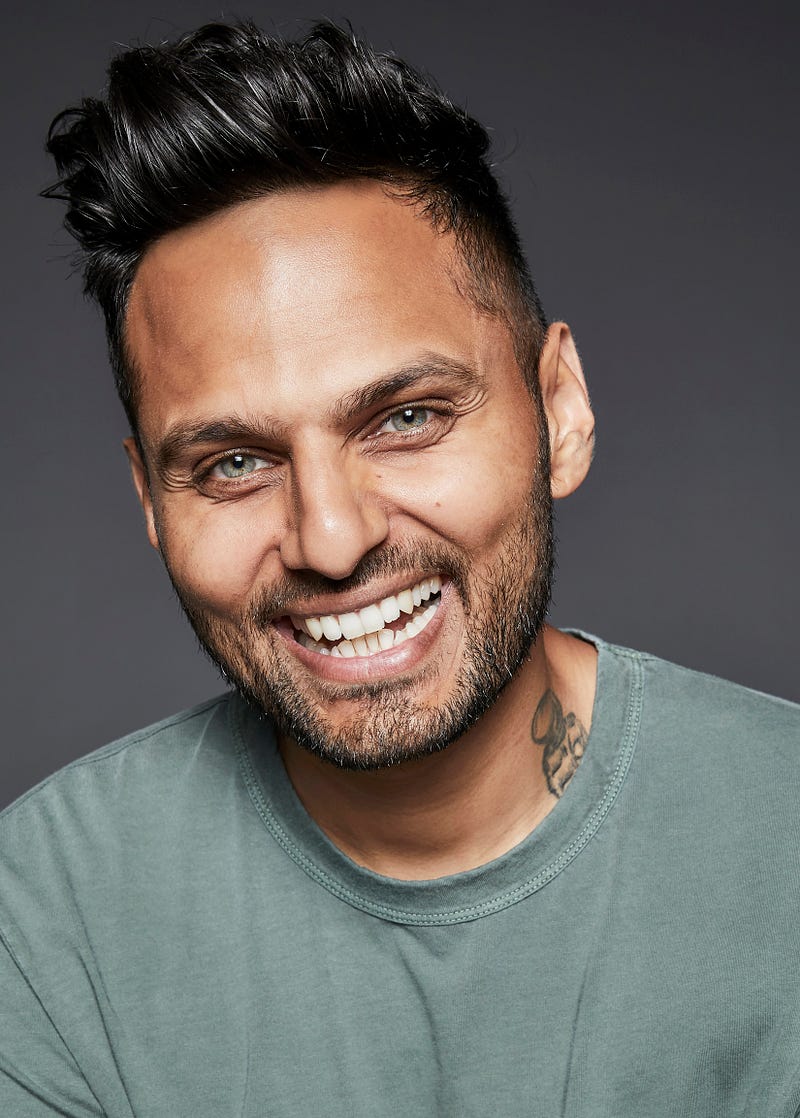
Lately, I have developed a habit — fidget. Slouching on the bench, rubbing my eyes, and waiting for nature to carry me out of this mess.
By chance, I found Jay Shetty’s health podcast “On Purpose” blaming me to move forward. Jay Shetty is an Indian monk, a leading author of the book “Think Like a Monk,” with over the highest sales worldwide. As I listened to his podcasts, I realized that I was not alone in this journey.
For me? Pushing through was the ugliest task ever, as I had low self-confidence. Listening to his podcasts and reading his articles was like hugging a thick sheet from behind. I decided to do whatever it took — challenge accepted!
Today marks 3 years since this incident first happened. Every time I fail, and topple to the floor, a writer picks me up. This time, it was Jay Shetty.
Jay Shetty, in one of his articles, says:
“Confidence develops when you commit to something and then put it into practice.”
Of course, we need to step up and take action. How long? we don't know. He further adds that: “there’s no time limit assigned for the mental tasks.” I wish things like confidence, maturity, and resilience came with a deadline.
Sigh. Hearing more than 10 minutes of Jay’s podcast daily, I handpicked a few habits(endorsed by Jay Shetty) to improve my self-confidence.
1. Being a Thankfulness Bird
Saying “thank you” and “sorry” is a struggle.
But according to Jay Shetty, “appreciation is a healthy habit.” Express gratitude to people who did good for you and thank them for their efforts. Not everyone in this world is your friend, so if you've found one, expressing love is compulsory.
Gratitude and appreciation help to nourish relationships. Many people point out bad in others, and in the end, their relationship becomes a hot pastry. Now try it the other way around: Instead of criticizing, thank them for being there whenever you need them.
Habits like these bring courage. Primarily, there’s no downside in appreciating people who bring out the good in you. Since thanking is free of cost, there’s no claw in not trying, don't you think?
How to apply?
Soak these few phrases:
- I appreciate you
- your support means a lot to me!
- I value your efforts.
In this busy world, be kind to others. Although your presence is a kindness, use your presence to light up others’ day. Be a lamp in someone's dark life. Be a reason someone smiles today. Be a reason someone sleeps tonight because you pat them on the back.
Yes, thanks, all it takes — a “thanks.”
2. Flip flop your Inspiration
Volunteer the goodness through:
- books
- podcast
- learning something new
Instead of mindlessly scrolling on social media, try being awake. Do something that adds up your knowledge. It's not that hard!
Sometimes we are laid back and exhausted. It happens to most of us. The actual problem occurs when you don't do anything about it.
Bored? Find a solution. If it’s a blank setback, take this time to rethink if you are going where you always wanted to be. Judge your short and long-term goals: with relevant, actionable steps.
Research by Anita Hodges, Anita Speaks 2U suggests making a call, writing an outline, or volunteering just once. The process and inspiration will unfold before you.
How to apply?
Goodreads, Kirkus, Amazon, and a lot of websites offer reviews. Beef the tag that suits your current interest and download a trial. Read books and podcasts before buying them.
Although I buy books with the sound of the title, it still makes me happy. Coming home each day, my shelf jammed with books is waiting for me. Sure, it makes me feel lively, but also attentive.
Finding inspiration means juggling between interests. Make a list of goals depending on your current priority and share it.
According to Andy Bailey, Petra Coach, “share your ideas with those that you trust, so they can also help remind you of your passion, as well as find new inspiration.”
You can choose to mix and match your interest if you get bored. For me, its
30 minutes book, 20 minutes walk, 10 minutes walk.
3. Meditation or Practice Yoga
Move your body when you wake up. practice :
- hand walking
- finding balance on all fours
- stand quietly
When you wake up, your body is a virgin. Doing these simple poses can get you through the day like butter, explains mindful.org. Keeping in view that there are now yoga equipment, meditation music, and projector lights making mindfulness easy!
Unlike yoga, meditation is different. But the good news? Both of them make you mindful. Docoonline says: Yoga combines the physical postures or asanas with conscious breathing. Meditation, on the other hand, helps to keep the mind sharp and clear, relieves stress, and improves one’s overall sense of well-being.
Both of them have their benefits. You can choose to do both yoga and meditation upon wakening up.
How to apply?
The third eye — also known as the inner eye, clears mental blockages.
Not everyone has a third eye. It has to be opened. To become mentally and physically flexible, meditation and yoga are recommended. As a simple practice, open YouTube and listen to meditation music. Download them and keep them saved on your phone.
Current findings indicate that music can profoundly affect both emotions and the body. A) Faster music can make you feel more alert and concentrate better. B) A slower tempo can quiet your mind and relax your muscles, making you feel soothed while releasing the day's stress.
Whatever you do now, just open your phone and pin the music you want to listen. Improve brain power with simple meditation music or binaural beats. I, too, love to listen to this meditation music while writing.
P.S. I am listening to this while writing the story.
4. Move and Fly
Other than fighting and slouching, I have some good habits too:
- I exercise daily like crazy.
Shedding calories is a daily goal for me. Even in the toughest schedule, I make time to do some cardio, crawl on the Elliptical (I have), and do some dancing stretches.
Most likely, it's become a part of me. I see people struggling with fitness. On the other hand, I can't sleep a day knowing I failed a workout.
It all comes down to our mental strength, suggests Kendra Cherry. Studies from 2006 even suggest that exercise can make you smarter and happy and protect your brain from shrinkage as it ages.
Do you love it when your bodies float? When your arm moves in harmony with your other one? Do you love stretches?
How to apply?
Exercise and workout aren't for everyone — sciencenordic
But moving a little, skipping lazy acts, and being mindful are important. So if you can do all of the above without exercise, (go for it.)
The only purpose of training is to make you happy, fit in shape and make you mindful. Many people don't need exercise to be happy, and of course, some need it. Depending on your mental abilities, you can kick the ball in the direction you want.
Also, I recently downloaded an app called Intellect. It's a mindful app with everyday journaling questions designed by coaches. I’ve been using it for a few months, along with other workout apps. Intellect is a self-care reflection-based app with notifications reminding me of my daily goals even if I clean forget them.
Bonus tip!
You’ve probably heard the old saying, “use it or lose it.”
This article stands on the same roots. Means you can only change yourself if you try it. With each passing minute, you are losing a moment.
At the end of our lives, the worst regret is: Not getting enough freedom time because we wasted a lot of it at younger ages. Think about your 80-year-old self, and don't forget to seek validation from your older self. Then do the right thing!
…on the flip side: very little is needed to make a happy life. It's all within yourself, in your way of thinking.


