
4 Great Cities To Visit in Portugal Besides Lisbon and Porto
This country has more to offer than the 2 main cities
Portugal is one of those countries where the capital gets a lot more attention than the rest of the territory.
In the past few years, Porto, the second biggest city, has also been put under the spotlight. It has even won awards such as “Europe’s Leading City Break Destination 2020”.
But this country has more to offer than the two main cities. I grew up in Portugal and traveled around the country extensively for work, so take my word on this. Here are my suggestions of cities you must visit in Portugal.
Aveiro
Aveiro is often called “the Portuguese Venice”.
I’ve been to the original Venice and while no city can compare, I still believe Aveiro is totally worth the visit.
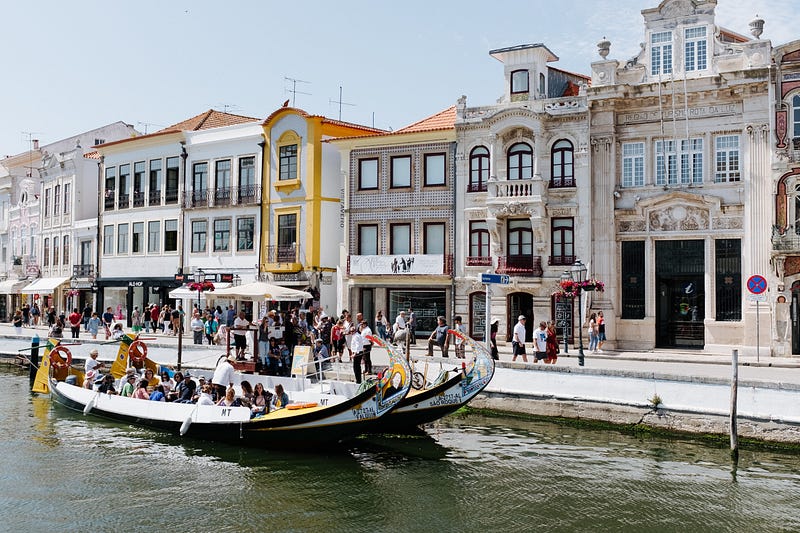
For starters, it has canals (what a surprise!), 5 of them to be precise. They give a beautiful color to the city and provide a fun way to get to know Aveiro. You can embark on a boat trip and hear about the history of the city and these particular boats, the “Moliceiros”.
If you are a fan of exploring a city on foot, Aveiro is ideal for it. Small and flat, it allows you to walk around to burn all the calories you will eat. Which calories? — you might ask. The typical sweet of Aveiro is called “Ovos Moles” (literally, “Soft Eggs”), and consists of an egg and sugar paste wrapped in a thin wafer. Try them, you’ll thank me later.
Aveiro is also a great destination for beach lovers. Located on the coast, it’s close to several high-quality beaches. Just don’t expect the water to be as warm as in the southern area of the Algarve, because this is the Atlantic.
What to visit
- The colorful houses in Costa Nova
- Take a boat (Moliceiro) on the canals
- Visit the salines
- Walk around the historical center
- Go to the beach
- Eat “ovos moles”
Coimbra
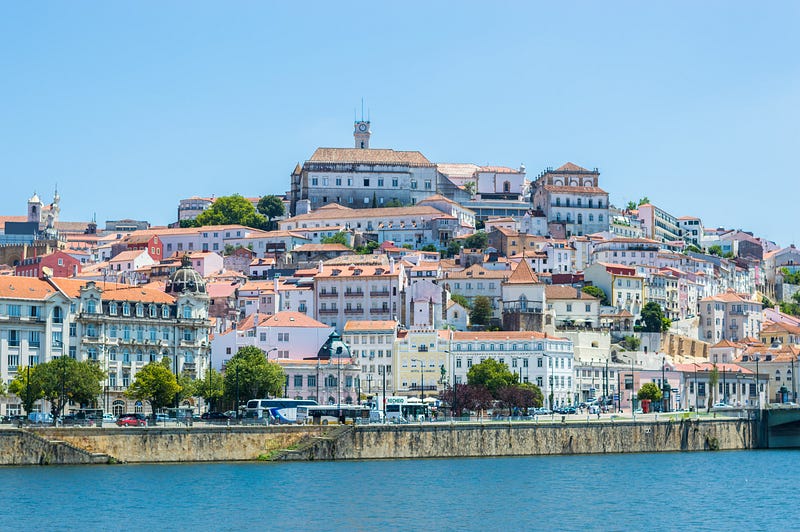
Coimbra, the city of the students.
Home to the oldest university in Portugal, and one of the oldest in the world (founded in 1290), Coimbra attracts students from all over, providing a young, vibrant vibe to the city.
Sitting on the banks of river Mondego, Coimbra’s city center is full of history and tradition. One of the most famous is the “Fado de Coimbra” (Fado is a kind of Portuguese music), distinct from the Fado of any other part of the country.
Coimbra is also home to some interesting visitation sites. Amongst these, there is Portugal dos Pequenitos, where you find miniatures of iconic monuments, and Quinta das Lágrimas, a beautiful green environment full of history.
What to visit
- Coimbra University
- Portugal dos Pequenitos
- Quinta das Lágrimas (literal translation: The Farm of Tears)
- Listen to Fado de Coimbra
- Check out the river Mondego
- Historical city center
Braga

Braga is the most important city in Minho, the northwest region of Portugal.
Home to 200k inhabitants, it combines beautiful traditional architecture with a modern vibe. This is sustained by the many students who come here to attend Minho University.
Traditionally, it is a religious city, hosting important catholic celebrations in its many churches. The most iconic ones are the Sé de Braga and the Sanctuary of Bom Jesus do Monte. The latter sits on top of a hill and provides an amazing view over the entire region.
Braga is very close to Gerês national park. So if this is on your list of places to visit in Portugal, make sure to stop in Braga on your way there.
What to visit
- Sanctuary of Bom Jesus do Monte (and its funicular)
- Braga Cathedral
- Praça da República
- Sanctuary of Our Lady of Sameiro
- Saint John’s Festivities (if you go in June)
Évora
Évora is the southernmost city on this list, located in the Portuguese region of Alentejo.
As in anywhere in Alentejo, expect to eat excellent food, be it the main dishes (pork is the king of the table) or deserts.
Évora has a strong Roman heritage, with the most iconic monument being Diana’s Temple.
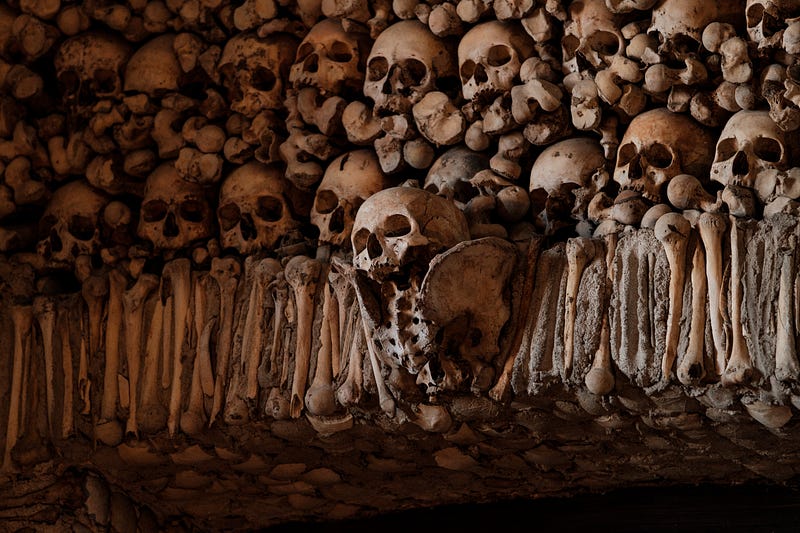
For the brave of heart, a trip to Évora is not complete without a stop at the Bones Chapel. This small chapel has its walls fully covered with human skulls and bones, displayed as a sign of penitence.
What to visit
- Roman Temple (Diana’s Temple)
- Bones Chapel
- Almendres Cromlech
- Praça do Giraldo
- Roman Baths
- Água de Prata Aqueduct
Takeaway
Portugal is a small country, so you can get to any of these cities quickly.
If you chose to drive, we have a good network of highways. In fact, just to give you an idea, we have two highways between Lisbon and Porto that run almost parallelly. But keep in mind that Portugal doesn’t have a vignette system like other countries, so you can’t travel for a week/month/year at a fixed price. You pay for each time you get on the highway, depending on the kilometers you make.
Public transportation is a good alternative, especially if you are traveling solo or don’t have a car. CP (Comboios de Portugal) is our railway operator, and you can find itineraries and prices here.
If you prefer the bus, there are two options: the Portuguese company Rede Expressos or the cheaper Flixbus.
Regardless of how you get to any of these cities, I hope you do get to them. If you have any questions while preparing for your trip, feel free to message me. And if you do visit these Portuguese cities, how about leaving a comment below with your impressions?
If you want more travel stories, consider joining my monthly newsletter.


