4 Awesome Human-Centred Design Tips: How to Achieve Genuine Human Connection
Elevate Your Design Game with Empathy, Collaboration, Communication, and Inclusivity for a More Connected World.
“Empathy is about finding echoes of another person in yourself.” Mohsin Hamid
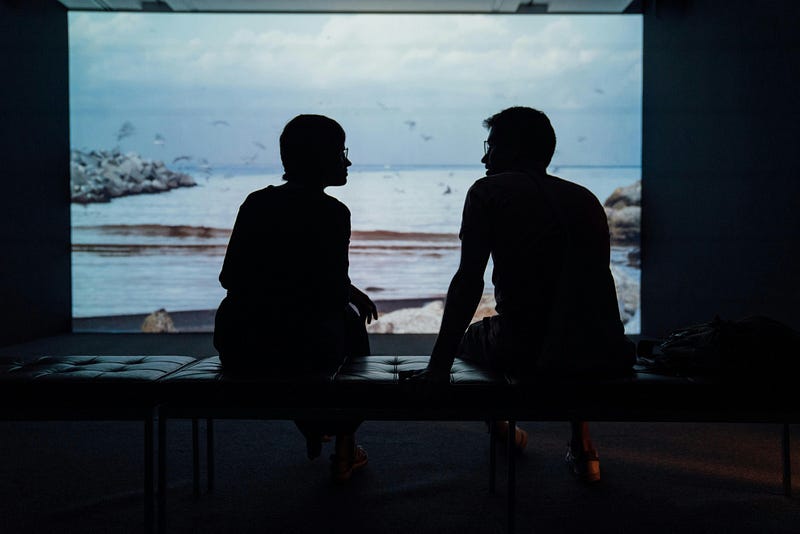
What exactly is human-centred design?
Human-centred design (HCD) is the ultimate problem-solving approach focusing on the user. It’s about creating tailor-made solutions that meet the user’s needs, built with deep empathy and creativity.
We’re not rushing into solutions here.
HCD takes time to understand and solve the correct problems. Oh, and it’s not just about one person. We’re all about community-driven design because many minds humming harmoniously are better than one.
HCD is a blend of engineering, psychology, anthropology, and the arts, born from the geniuses at Stanford University in 1958. The primary focus is this: innovative solutions that make a difference.
Want to know how to better connect with others?
Look no further.
This approach focuses on empathy, communication, and shared experiences to form strong connections.
Here’s how it can help you foster better interpersonal relationships.
1. Step into Users’ Shoes: The Essential Role of Empathy

Empathy is the magical ingredient of human-centred design. It’s all about getting inside someone else’s head and heart. Flexing our empathetic muscles can forge deep connections and build incredible relationships.
As HCD practitioners, it is crucial to put ourselves in each other’s shoes and create products and services that are filled with understanding. This means getting up close and personal with users through interviews and observation sessions.
This is not just any Q&A session — it’s an immersive experience that lets you step into their shoes and experience their daily challenges. With this valuable intel, you can craft designs that hit the mark.
2. Fostering Collective Creativity: The Impact of Collaboration and Co-Design Sessions

Let’s talk about the power of collaboration. HCD thrives on collaboration and involvement. It involves bringing together every person involved and having honest conversations with them.
Then, we use the knowledge from these chats to make informed decisions. Collaboration implies that users, not designers, take control. Have you heard of co-design sessions?
Let me explain.
These sessions involve users in the design conversation, paving the way for genuine empathy, which leads to mutual respect between designers and users.
It’s all about meaningful interactions that lead to making decisions together.
3. Discover the Hidden Gems of Communication Tactics: Introducing ‘Journey Mapping’

Question. What’s the secret to a thriving relationship? Answer. Good communication!
In HCD, communication is the key.
It’s essential to make open dialogue an absolute priority. However, designers need to find ways to connect with users genuinely.
I introduce you to the ‘journey map’.
A journey map takes you on a wild ride through the user’s experience, capturing their emotions, motivations, and actions at every step.
It’s a deep dive into their world, spotting pain points and golden opportunities for improvement.
4. Embrace Diversity: The Power of Inclusivity and Storytelling

Inclusivity lies at the heart of human-centred design. This approach embraces the full range of human experiences, bringing people from all walks of life together.
By prioritising inclusivity, we can unlock the power of diverse perspectives and create a sense of belonging for everyone. It’s about building bridges and forging connections, fostering a culture of empathy and respect.
Storytelling is a powerful design technique.
It builds inclusivity among people of diverse backgrounds by fostering connections.
It’s a magical tool that brings people together — celebrating differences and enabling meaningful connections. We can appreciate each other’s worldviews through stories.
It’s about bridging any gaps and finding common ground. In the colourful realm of design, storytelling humanises user experiences and amplifies marginalised voices.
Designers should be responsible for creating inclusive solutions that showcase the beauty of our diverse world.
Conclusion
In short, human-centred design (HCD) is all about understanding people and creating solutions that truly speak to their needs and desires.
It’s like stepping into their shoes and using that insight to make design choices that make a difference.
HCD thrives on teamwork and bringing together diverse perspectives to create something unique. Don’t forget good communication is critical, as it helps designers connect with users and make decisions together.
And most importantly, HCD is about embracing everyone’s unique experiences and ensuring everyone feels valued and included. We can amplify voices, celebrate differences, and bring people closer together through our work.
So, let’s champion HCD and create a world that is more inclusive and connected for all.
Level up your design game! Connect with me on X and receive daily time-saving design tips and key insights. Don’t miss out.


