
4 Alternatives to Meditation for People Who Don’t Want to Meditate
And those who already do
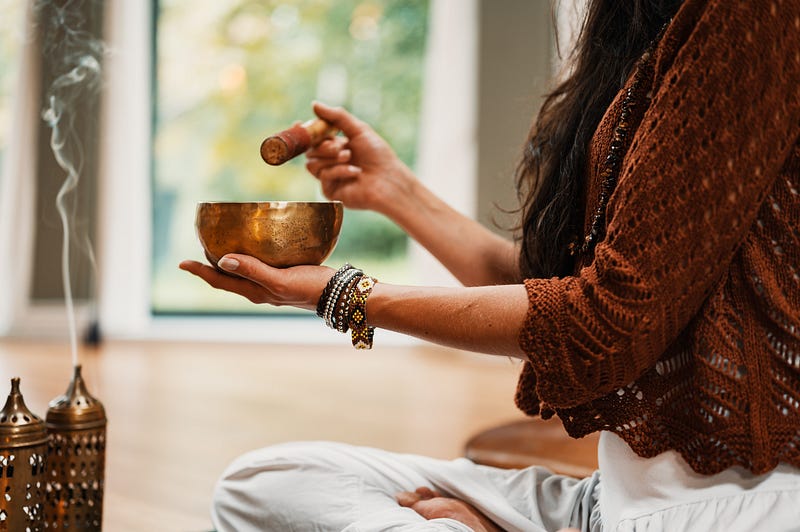
Meditation can be a little intimidating for some. It can seem difficult, complicated, and mystical.
If you’re still getting your bearings with your meditation practice and would like a few easier alternatives to help you along, here are four options you can choose instead of meditation that will accomplish a similar result — peace, calm, and clarity of mind. And even as an avid meditator, I use all of these on a regular basis. So give them a try.
Being in Nature
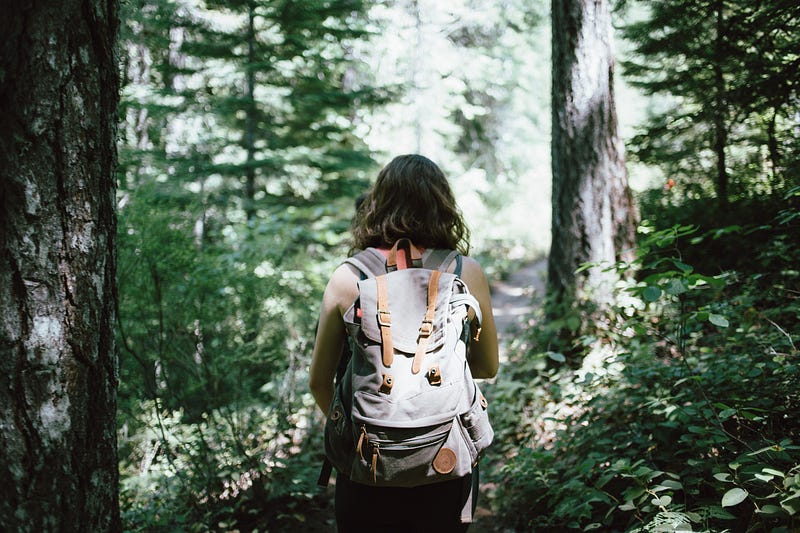
Believe it or not, just being in a natural environment can put you in a conscious, mindful state, without you needing to do much. In fact, the less you do the better. Simply observe the natural environment around you. Notice the trees, their branches, and leaves. Notice the grass. Is there a body of water nearby? Can you hear its flow? See how still and peaceful everything is.
Even in a strong wind, when everything is swaying, there is a stillness underneath, a calmness. Be aware of and observe that calmness. Nature doesn’t worry. It doesn’t get anxious or self-conscious. It’s not in a hurry to get anywhere. Witnessing nature’s stillness helps us to anchor that state within ourselves. It will take you inward, if you let it, into a state of peace and clarity that formal meditation aims to achieve.
Let nature be your friend and guide on the spiritual path. Learn from its example. There is so much it can teach us about ourselves. Just be with it and allow yourself to experience it.
Movement and Exercise
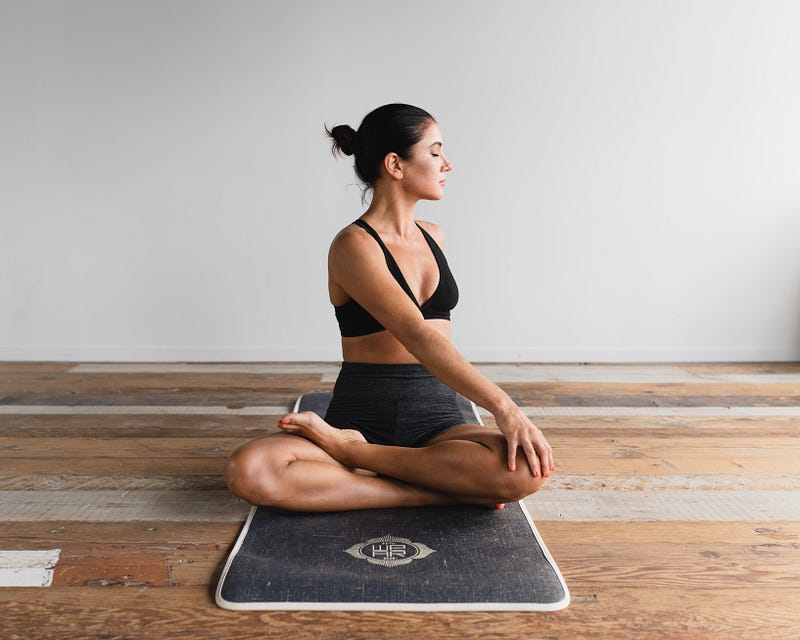
Physical activity is a great alternative to meditation because it provides a lot of the same benefits. It clears your mind and causes you to focus. Yoga, for example, is a really good option because it asks you to connect with your body and take your mind off irrelevant ruminations. Weight training is another great practice if you focus on the quality of each repetition in the exercise you are doing. It’s what is referred to as the mind-muscle connection.
I love running. When I’m able to go on a long run, if the weather is just right and not too hot, I find myself entering a kind of trance. My mind doesn’t quiet completely but my thoughts change. I receive ideas and inspiration that are simply unavailable to me when I’m sitting around on the couch.
And if I’ve been running for a long period of time without stopping, I find myself transcending any sense of tiredness that I felt before. The running becomes effortless, like floating. It’s hard to explain but it’s a beautiful experience.
And so I urge you to take up a physical activity that you enjoy. It can be a team or solo sport, competitive on non-competitive. It can be something more mellow like tai chi, walking, or even a simple stretch routine. You may find it taking you into deeper states of clarity than trying to force a meditation to happen.
Movement requires you to stay in the moment. So it takes you out of your mind. The more an activity requires your conscious awareness, the more it pulls you out of thinking.
Creative Expression

Any form of creative expression can put you in a state of meditative focus. If you draw, dance, sing, play music, craft things or do anything else that requires the use of your imagination, you have an entry point into meditative states. When inspiration flows, and your creative hobby becomes effortless, you are meditating.
If you find it hard to do formal sitting meditation, but have a creative hobby that you enjoy, devote some time to doing it regularly. Let it be your meditation. If there is more than one creative activity that you partake in, all the better. You have several opportunities to enter a mindful state.
For me this often happens during writing. Sometimes the words just flow as if someone else is writing them, a higher part of me, just out of reach of the ego. It’s a wonderful way to connect to a higher intelligence. I don’t plan or outline these articles too much before I write them. I just get and idea and let it speak. I edit a lot, but the writing itself happens spontaneously.
So let your creative idea express itself. You don’t have to get it all perfect. It’a about the process, not the result. Let the flow of your inspiration take you into a focused, meditative state.
Breath-work
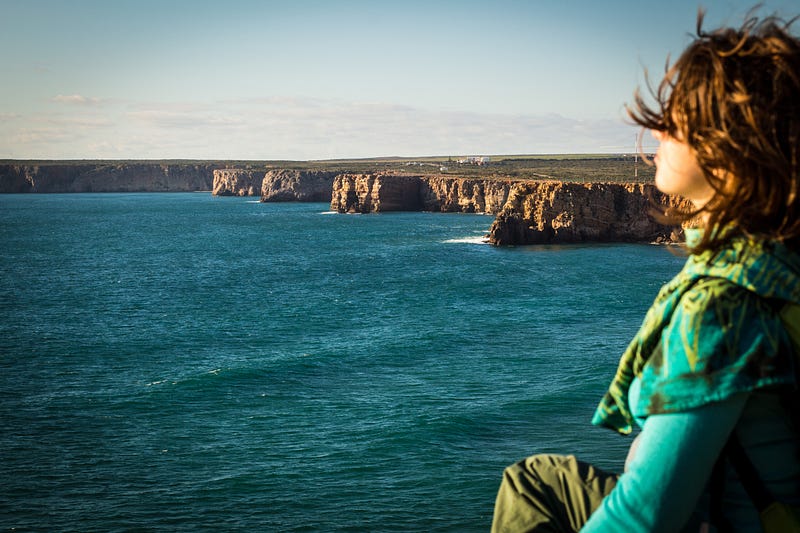
Breath-work can also be understood as conscious breathing. It happens when you place your attention on your breath as you inhale and exhale. The simplest thing to do is to just watch your breath. Try it now.
Take a deep breath in…
… and out.
Easy, right? Were you able to observe a single breath? When you keep your awareness on your breath like that for a period of time, you are doing breathwork.
It can also help to alter your breathing style to make it easier to focus. For instance, you can elongate your breaths, taking a really deep inhale, and then a long and slow exhale. This is different from your normal style of breathing and will help you keep your attention on the breath.
I like to do what’s referred to as even breathing. I take a breath and begin counting until I fill my lungs. Then I exhale for the same count as my inhale. The idea is to keep the inhale and exhale the same length. It gets you to focus. Doing this can still the mind in as little as a minute.
Your breath is a powerful tool for returning to the state of presence. And it’s always available to you. There are many guided breath work sessions on YouTube if you need some assistance. But even taking a minute to watch your breathing is a great way to experience it. Consider giving yourself a minute of conscious breathing after you finish reading this article. No time like the present, after all.
While I meditate regularly, I still incorporate all of the above practices into my life. I find them helpful, each in their own way. They are wonderful tools for achieving peace, calm, and clarity of mind, as well as other physical and mental health benefits. I highly recommend them.