3D Printing: Revolutionizing Healthcare
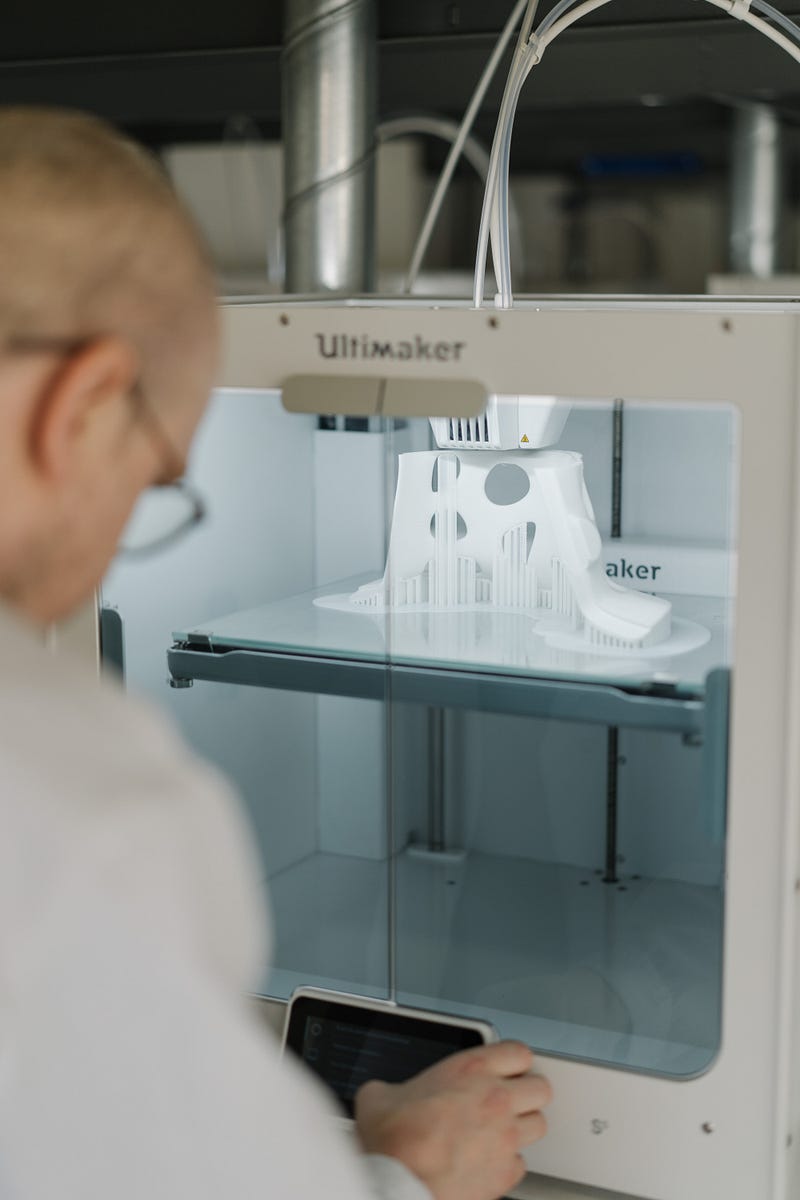
Since its inception in the 1980s, 3D printing technology has undergone significant advancements and has transformed various industries. One of the most notable industries that have embraced this innovative technology is healthcare, where it has been utilized to create prosthetics, implants, and other medical devices.
Individuals who have lost limbs or who were born with congenital limb differences can regain mobility and functionality with the help of prosthetics, which have been used for a number of years now. Traditional prosthetics, on the other hand, were crafted by hand, a process that was not only time-consuming and labor-intensive but also quite pricey due to the amount of time and effort required. Because of the development of 3D printing technology, the process of designing and fabricating prosthetics has become more individualized, as well as more productive and less expensive. This has been made possible with the help of computer-aided design (CAD) software as well as the capability to print prosthetics using a wide range of materials.
The production of implants, such as those used in dentistry, hip replacement surgery, and spinal surgery, has also been revolutionized by the use of 3D printing technology. Historically, implants were made using metals such as titanium. However, 3D printing technology has expanded the range of materials that can be used to create implants. This has resulted in implants that are more precise, stronger, and more flexible. Furthermore, 3D printing technology allows for the creation of customized implants that can fit the unique anatomy of each patient. This has been particularly beneficial in complex surgeries, such as spinal surgeries, where precise fitting of implants can improve surgical outcomes and reduce recovery times.
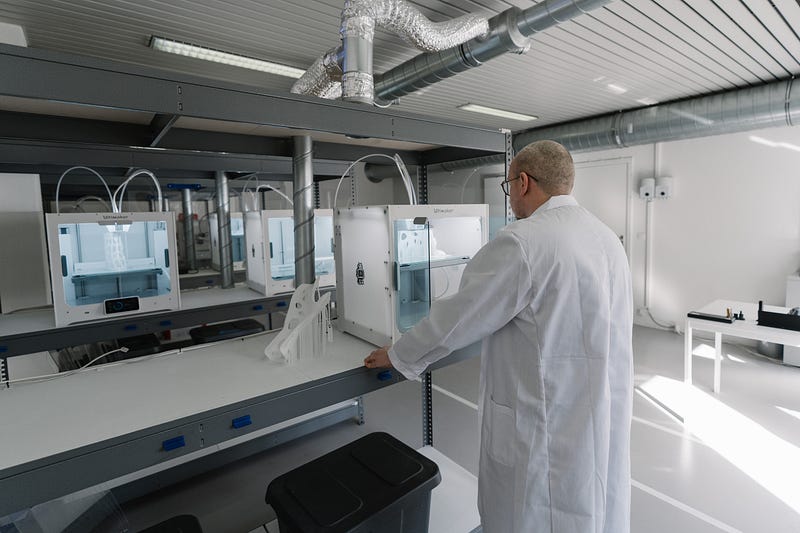
In addition to prosthetics and implants, the technology of 3D printing has been used to create other medical devices such as surgical instruments, hearing aids, and even organs. This is in addition to its use in the creation of prosthetics and implants. With greater precision in the creation of surgical instruments, surgeons can perform procedures with greater accuracy and confidence. Hearing aids can also be customized to fit the unique anatomy of each patient’s ear, improving their effectiveness and comfort. While still in the experimental stage, organ printing, a branch of 3D printing technology, has shown great potential in the creation of functioning organs such as kidneys and livers. This could potentially revolutionize the field of organ transplantation, allowing patients to receive organs that are customized to their unique anatomy and immune system.
In conclusion, 3D printing technology has the potential to revolutionize the way healthcare providers treat patients. By enabling the creation of personalized prosthetics, implants, and other medical devices, patients can receive more effective treatments that are tailored to their unique needs and preferences. With ongoing advancements in 3D printing technology, we can expect to see further developments in this field that will transform the way we think about healthcare. The implementation of technology that enables 3D printing has opened up a whole new world of opportunities in the field of medical science and is on the verge of bringing about significant shifts in the medical industry. In other words, 3D printing has unlocked a whole new world. It is exciting to see how innovations in the field of 3D printing technology will continue to make medical care more accessible and efficient.