
3D-printed Homes. What They are and Will They Replace Traditional Houses?
Instead of building a house, we can now use a 3D-printer to create one
Housing costs have been slowly increasing, making it more difficult for those wishing to become homeowners. According to Fred.Stlouisfed.org, the average house cost in the United States in 1980 was $71,600, which jumped to $387,200 in 2020. The average hourly wage has also been increasing: it was at $7 in 1980, going up to $24 in 2020. Based on this data, it’s evident the house prices are growing faster than the population’s earning potential: houses went up in price by 541%, while the wages increased only by 342%.
More people are renting right now compared to the number of those who own properties. Propertymanagement.com reports there are more renters today than ever in the last 50 years. Despite Americans’ desire to own homes, many individuals have no choice but to consider renting as opposed to buying.
Millennials have come under fire for buying fewer homes compared to the previous generation. While 45% of baby boomers chose to become homeowners, only 37% Millennials decided to own a home, according to the Urban.org. But regardless of the generation, purchasing a home poses challenges to everyone, especially to low- and middle-class families. As a result, people are forced to consider alternatives to typical homeownership.
Today, I would like to discuss the new tech marvel: 3D-printed homes.
Table of Contents:1. 3D-printed homes: what are they and what do they look like.2. Cost: the price tag on a 3D-printed home.3. The pros and cons of 3D-printing a home.4. We might 3D-print houses on Mars too.5. I want a 3D-printed home. How do I get one?6. My take on this.3D-printed Homes: What are They and What Do They Look Like
It is precisely what it sounds like: a printed home using a 3D-printer instead of being built the traditional way. It’s important to point out that such a home would be considered more of a tiny home as opposed to a conventional house since there is a limitation on how large of a structure a 3D-printer can print. The ways it works is a 3D printer is transported to the printing site (a.k.a. your home), where a small team supervises the printing process. It can take as little as 30 minutes to print a small 1-storey, 1-bedroom home, although it solely depends on the technology — it may take a few hours or even several days, depending on what other work is required apart from the printing process.
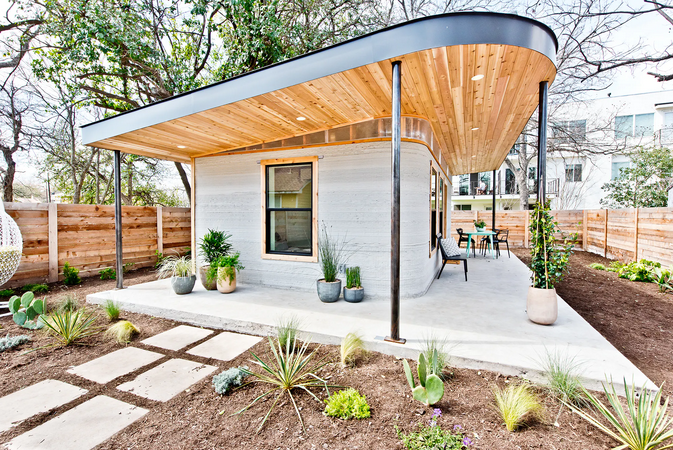
A great example of a 3D-printed home would be one printed by a company called ICON:
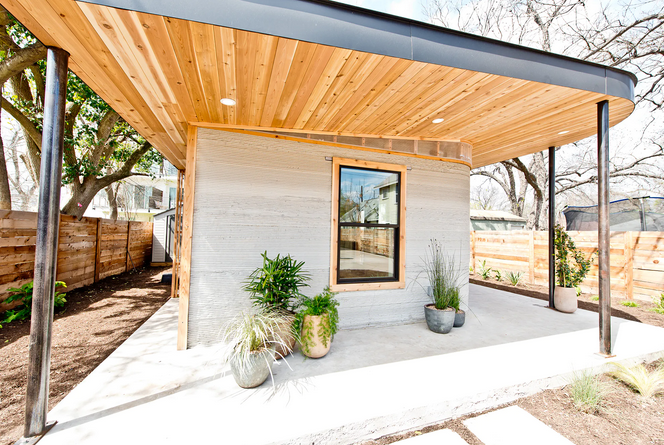
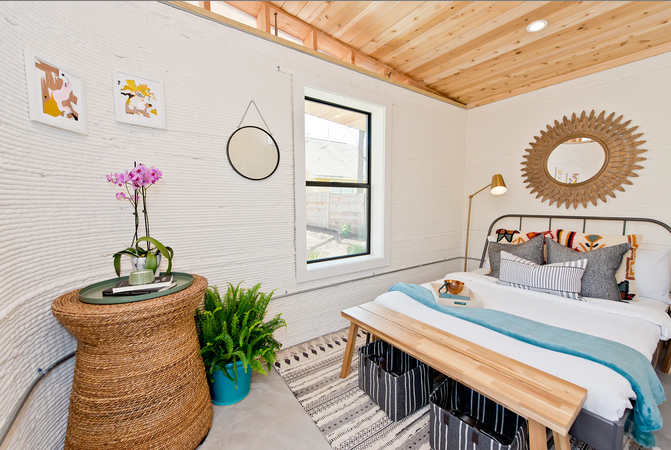
They were the very first organization that accomplished the task of 3D-printing a home in the United States. You can read about their mission to fight homelessness and serve the underprivileged communities. CNET published a video introducing ICON and their efforts to offer an alternative to housing in December 2019:
The video shows their very first large project of 50 houses they were planning to build for an underserved community in Mexico. It also features the 3-printer ICON uses to get the job done: The Vulcan. You can read about its specifications and more about the superior concrete they produce to print homes: Lavacrete.
The ways it works is a 3D printer is transported to the printing site (a.k.a. your home), where a small team supervises the printing process.
Here is another video of their company, filmed by Tech Insider:
Cost: The Price Tag on a 3D-printed Home
The cost varies depending on the company, the technology they use and the materials. ICON’s house, mentioned above, offers to build a home for $10,000, and they also claim this cost can be brought down to $4,000.
Another 3D-printing organization, Apis-Cor, promises to print a tiny house for around $10,150 (source). The Chinese company Winsun also claims their simple tiny homes cost $4,800, while their futuristic house in Dubai can ring up $140,000:
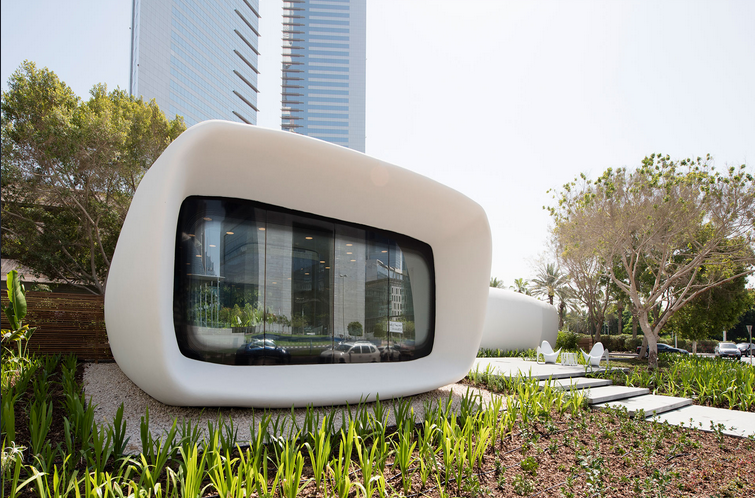
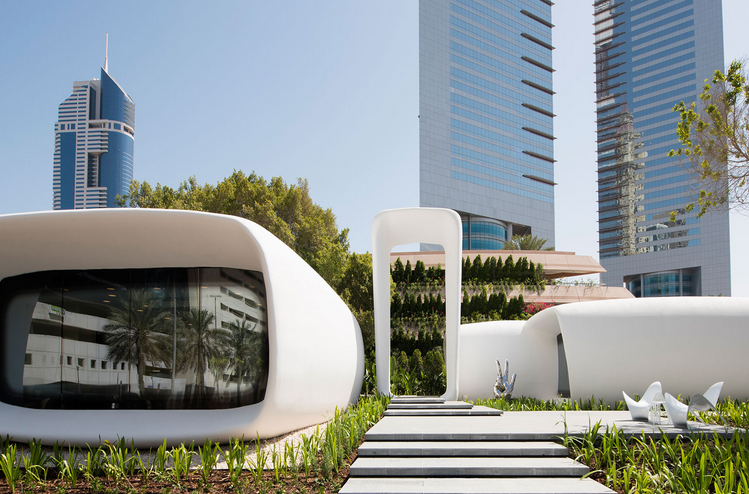


It is, however, unclear if the price includes the full production of the house or just the printing.
The Pros and Cons of 3D-printing a Home
There are numerous benefits and downsides to printing a home with a 3D-printer instead of purchasing a traditional property. The pros are:
- 3D-printing a home can be cheaper since it requires less time and labor. You also need fewer materials to print a house.
- The process takes less time and effort. The printing can only take a few hours, and the home assembly can take as little as a few days.
- You don’t need as much space for a small 3D-printed home. The land cost would be cheaper. Alternatively, if you have enough land, you can 3D-print multiple houses, and potentially rent them out.
- 3D-printing is a new way of living. Not only will you get access to the brand new technology that causes less damage to the environment, but you will become an explorer of an alternative living method.
Cons are also significant:
- This industry is relatively new, and it’s challenging to find a company that would print a home. For now, there is only a handful in the United States and about a dozen around the world.
- Most of the existing companies work exclusively with non-profits to provide affordable housing to less fortunate communities. It means they don’t work with individuals.
- Due to the rarity of this new service, the companies may charge more than it actually costs to 3D-print a home. They don’t have too much competition, which means they can take advantage of that.
- Since there is a limited number of companies out there, it might prove challenging to find one in your area. It could end up being more expensive to 3D-print a home in New Jersey if the organization’s base is in California.
- The industry is new, which means it’s unclear how long these homes can last. We also don’t know if they can withstand harsh weather conditions, such as snowstorms or heavy rains.
Nonetheless, being the owner of a brand new 3D-printed home is quite interesting.
3D-printing is a new way of living. Not only will you get access to the brand new technology that causes less damage to the environment, but you will become an explorer of an alternative living method.
We Might 3D-print Houses on Mars Too
AI Space Factory attracted a lot of attention when they won the NASA competition and were awarded $500,000. NASA has been conducting its 3-D Printed Habitat Challenge since 2010, and AI Space Factory became the winners in 2019 with its creation Marsha. Let’s meet Marsha:
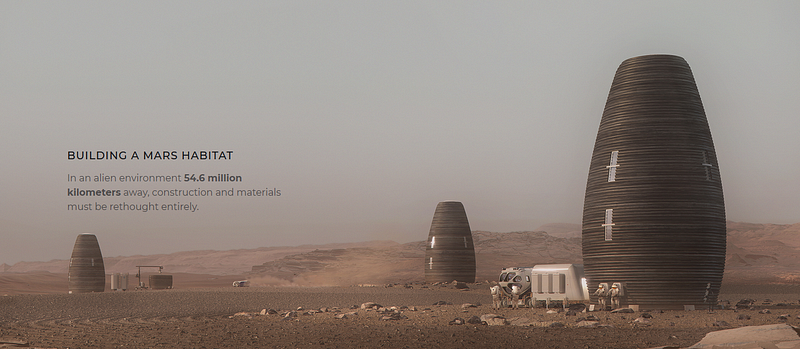
Many years from now, we might see hundreds of Marshas on Mars if NASA reaches its goals of building a safe habitat for humans on the red planet. But if you are not planning to move to Mars, AI has a prototype of a 3D-printed home on Earth — Tera:
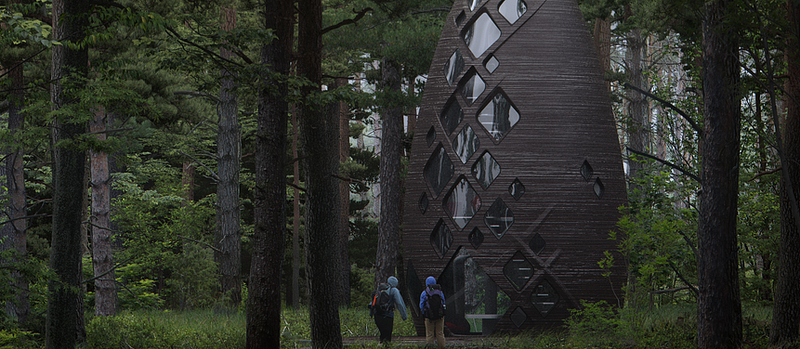
You can read more about Tera here. The Tech Insider also posted a Youtube video about this company and their products — check it out:
I Want a 3D-printed Home. How Do I Get One?
It is unclear if these houses are available to the public yet. ICON is focusing on providing small communities in impoverished countries, while Ai Space Factory is passionate about printing homes on Mars. However, there are a few companies you can contact to determine if they accept private orders.
Several organizations listed their technologies for sale. The Danish company COBOD features its 3D construction printer, BOD2. They didn’t indicate the prices on their price list tab — you are supposed to fill out the form and receive an e-mail from them. WePrintHomes doesn’t disclose the home prices either, but they offer to 3D-print a house in the USA. You can fill out the form on their main page, indicating the size of the home and number of rooms — and they should to contact you regarding the price and the project completion process.
There is also an article listing 3D-printers available for purchase, by the country of residence. You may purchase a printer, but finding someone who can 3D-print a home for you can be tricky. An application called Sweet Home 3D allows you to design a 3D-house, but it has mixed reviews online. Even if you buy a printer and create the home on your own, you still have to search for a professional who would put the project together and supervise the completion.
My Take on This
I am desperately looking for housing alternatives because buying a 2-bedroom home in my city would cost at least $400,000. Overpaying for something that isn’t worth it doesn’t seem like a smart idea, so if I can downsize, move away from the city and 3D-print a small home even for $75,000 to $100,000 — I’ll take it.
Currently, this industry is too fresh to access the 3D-printing opportunity easily. I will make sure to monitor the news and consider this service when it becomes available in Canada. I would leap at the chance to print a few homes, live in one of them and rent out the other one.


