avatarLivia Dabs RN,MSc

Free AI web copilot to create summaries, insights and extended knowledge, download it at here

1587

Abstract

contribute to the health of the whole ecosystem. One organism’s <b>waste</b> is food for another, and nutrients and energy flow perpetually in closed-loop cycles of growth, decay, and rebirth</i></a></p><p id="5721">Nature is the perfect example of how everything is synchronized to the smallest detail to be reused. Nature recycles everything from the animal excrements to the leaves that fall in the autumn which are utilized by fungi and other bacteria to produce humus. In the spring the humus is exerted to start the new cycle of life: creating the new leaves. Everything starts fresh from the beginning again.</p><p id="9eb7">We can learn from nature. Or from companies that operate on zero waste. For example, <a href="http://algalbiomass.weebly.com/graham-wiles-cardboard-to-caviar.html">Graham Wiles Company</a> which buys cartoons from local companies for the caviar project. Those used cartoons are shredded and used as horse litter and when they are soiled, the soiled cartoons may be used for compost. Then the sturgeon (a type of fish) is fed to produce the caviar. Nothing is wasted, it is a perfect closed-loop project.</p><figure id="7b9d"><img src="https://cdn-images-1.readmedium.com/v2/resize:fit:800/1*gP_MuOdwEq7eLl9jP-CrOA.jpeg"><figcaption>Photo by <a href="https://unsplash.com/@outsidetheedge?utm_source=unsplash&amp;utm_medium=referral&amp;utm_content=creditCopyText">Camille Villanueva</a> on <a href="https://unsplash.com/s/photos/junkyard?utm_source=unsplash&amp;utm_medium=referral&amp;utm_content=creditCopyText">Unsplash</a></figcaption></figure><p id="

Options

c38c"><b>Humans the Largest Waste Producers</b></p><p id="8f7b">Humans, on the other hand, are the biggest waste producers that exist on this planet.</p><p id="55f4">The world currently uses <a href="https://www.condorferries.co.uk/plastic-in-the-ocean-statistics">500 billion plastic bags and by 2020</a> there will be more plastic in the oceans than fishes.</p><blockquote id="a90f"><p>Food is the biggest. We<i> waste so much food that it’s hard to believe! <a href="https://www.theworldcounts.com/challenges/consumption/foods-and-beverages/food-waste-facts">This contributes to excess consumption of fresh water and fossil fuels. One ton of food waste prevented can save 4.2 tons of CO2 equivalent. Food waste equals water waste because you need water to prepare food.</a></i></p></blockquote><p id="c1c1">Those are hard facts and we already know the impact on the planet it has. I hope we can start somewhere.</p><p id="e8e2"><b>How we can start decreasing waste at home</b></p><p id="b27f">1. Buy less and you will end up with less waste. It includes eating less too.</p><p id="abbb">2. Recycle and reuse everything we can from reusable printer cartridge to reusable grocery shopping bags et cetera.</p><p id="ce43">3. Create homemade things, toys, clothes. If you don’t know there are so many videos and classes online you can sign-up for.</p><p id="4ed8">If we do at least a few of the above-mentioned solutions, we can step ahead in decreasing the waste. Parents are role models for the kids. If they see us being creative, they will become creative as well.</p></article></body>

30 Day to Sustainability-Day 1: The Waste
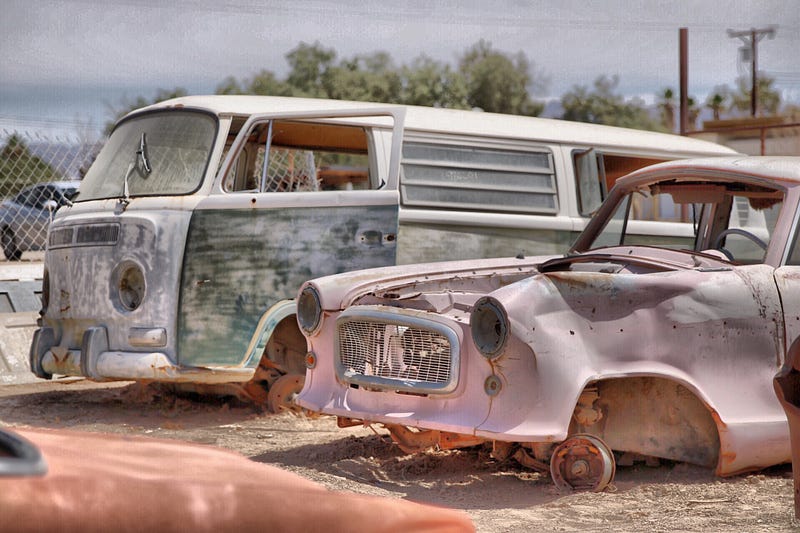
Photo by Mark Zamora on Unsplash

During my childhood in the era of communism, children had no luxury to own too many toys. In Czechoslovakia, we had all the basics and necessities but not extras which included — the toys. But make no mistake, we were creative kids and the local wasteland aka junkyard was our playground. It was not the safest place for the kids you may think. But back then 30–40 years ago nobody thought the junkyard was dangerous. Thus, we kids thought of it as the imaginative playground where from any junk you may create something like a spaceship, go-go car, or a stroller for dolls. We had infinite ways to create things. And as kids, we had lots of fun… I am not suggesting doing this today because the world is much more toxic than it was 30 years ago. The essential skill we learned is HOW NOT TO WASTE BUT TO REUSE.

Nature Produces Zero Waste

Waste virtually does not exist in nature because each organism’s processes contribute to the health of the whole ecosystem. One organism’s waste is food for another, and nutrients and energy flow perpetually in closed-loop cycles of growth, decay, and rebirth

Nature is the perfect example of how everything is synchronized to the smallest detail to be reused. Nature recycles everything from the animal excrements to the leaves that fall in the autumn which are utilized by fungi and other bacteria to produce humus. In the spring the humus is exerted to start the new cycle of life: creating the new leaves. Everything starts fresh from the beginning again.

We can learn from nature. Or from companies that operate on zero waste. For example, Graham Wiles Company which buys cartoons from local companies for the caviar project. Those used cartoons are shredded and used as horse litter and when they are soiled, the soiled cartoons may be used for compost. Then the sturgeon (a type of fish) is fed to produce the caviar. Nothing is wasted, it is a perfect closed-loop project.
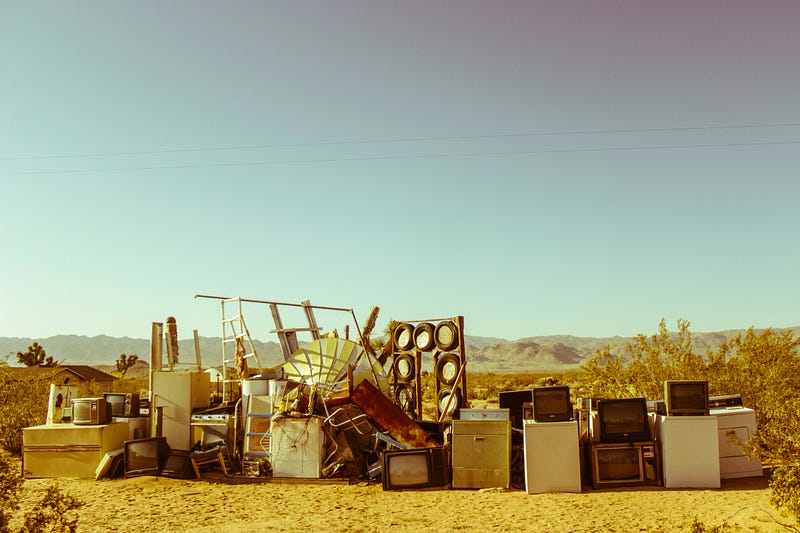
Photo by Camille Villanueva on Unsplash

Humans the Largest Waste Producers

Humans, on the other hand, are the biggest waste producers that exist on this planet.

The world currently uses 500 billion plastic bags and by 2020 there will be more plastic in the oceans than fishes.

Food is the biggest. We waste so much food that it’s hard to believe! This contributes to excess consumption of fresh water and fossil fuels. One ton of food waste prevented can save 4.2 tons of CO2 equivalent. Food waste equals water waste because you need water to prepare food.

Those are hard facts and we already know the impact on the planet it has. I hope we can start somewhere.

How we can start decreasing waste at home

1. Buy less and you will end up with less waste. It includes eating less too.

2. Recycle and reuse everything we can from reusable printer cartridge to reusable grocery shopping bags et cetera.

3. Create homemade things, toys, clothes. If you don’t know there are so many videos and classes online you can sign-up for.

If we do at least a few of the above-mentioned solutions, we can step ahead in decreasing the waste. Parents are role models for the kids. If they see us being creative, they will become creative as well.

Sustainability
Nature
Change
Waste
Humanity
Recommended from ReadMedium