
3 Uniquely Toxic Places You Should Never Visit
No-Go Zones, where even breathing feels like a chore.
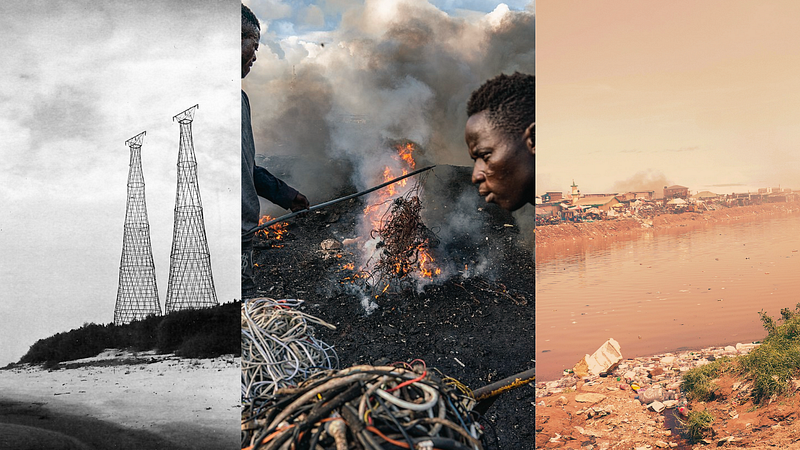
Some places on earth slowly kill you just by breathing. The government should not allow people to live due to their extreme toxicity and the inevitable impact it has on their health and wellness.
However, circumstances prevent them from being able to look for alternatives to preserve their health. These effects are carried out through generations. Here are some of the most toxic places to ever exist on Earth.
1- Dzerzinsk, Russia
Dzerzhinsk is a city in Russia that was known mostly for producing chemical weapons.
It also had a leaded gasoline factory that produced a potent toxin TEL and when nearly 300,000 tonnes of these chemicals got released into the water, it turned into a white sludge.
Due to this, the locals nicknamed it the ‘White Sea’. The sludge had phenol (an organic compound) and dioxins present — all of this could have detrimental effects on the consumer such as poisoning and death.
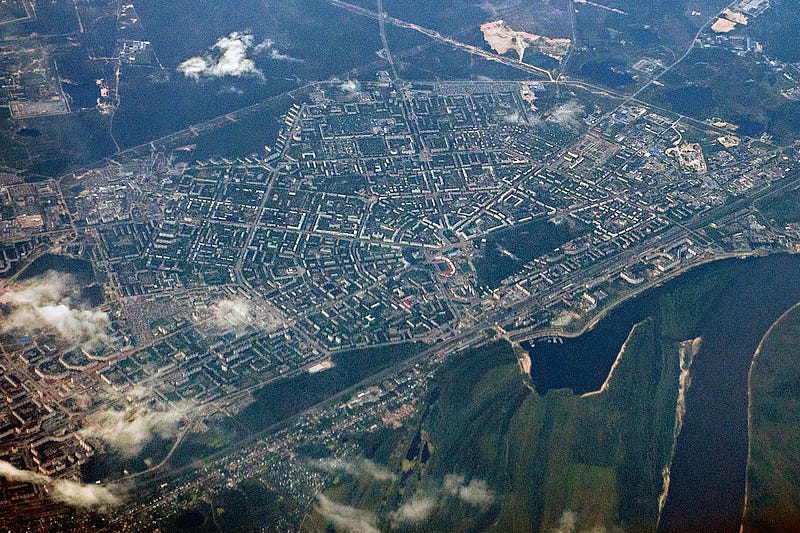

The presence of such chemicals in the water beats the normal threshold by 17 million, deeming it poisoned.
Now that the factory is no longer being used, the water levels have risen, causing a lot of toxic chemicals such as lead, mercury, and arsenic to disperse into the Oka River basin.
This river is used as a primary drinking supply for the Nizhyn city. This is catastrophic to the health of the people using it. The average life expectancy in the city has been lowered to nearly 45 years for an average person, with more young people developing health problems.
In 2003, it reached a point where the death rate was higher than the birth rate by 260%. Granted the industrial factories in Dzerzhinsk don’t produce weapons anymore, they are still known for their chemical manufacturing.
Moreover, since rivers usually flow out into seas, the White Sea has been gradually disposing of waste into the Caspian Sea. This exposes a larger area of land to this pollution, causing it to be declared an ‘ecological time bomb’ by various sources.
Moreover, in another place in Russia, the sea bleeds red from the horrible conditions. As a place that already harbors a bad history, Norilsk produces more than 1800 thousand tons of sulfur dioxide emission yearly in terms of air pollution.
Additionally, there is an excess amount of copper and nickel present in the air, causing respiratory diseases to skyrocket (it is deemed the highest amount in all of Russia). The main reason for this is that the biggest nickel-copper-palladium deposits exist beneath the city.
The pollution causes acidic rainfall that damages the land around it, killing the trees and harming the locals.
The rivers running through the city have also been known to turn red due to chemical changes and spillage.
2- Electronic waste should be a crime
Lead is a leading cause of toxicity and pollution in Agbogbloshie in Ghana. This occurs from the lead released by electronic waste that gets dispersed into the ground after the electronics have been broken apart chemically.
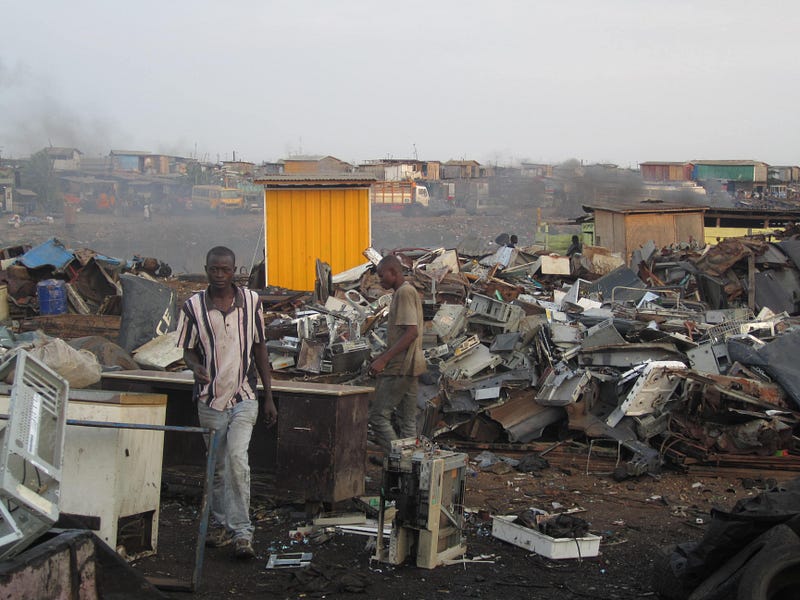

People working on the sites suffer from breathing issues, constant nausea, and headaches, along with physical wounds caused by any harmful trash within the piles.
The US manages to ship off their electronic waste to 3rd world countries under the legal pretense of labeling it as ‘secondhand consumer products’.
Not only does it keep their own country clean, but it also saves them the cost of investing in proper materials to break down and repurpose the e-devices safely.
Nearly 80,000 people are affected daily by this pollution in Agbogbloshie. Moreover, this has also slowly started affecting their livestock, especially their farm products, worsening their exposure to harmful chemicals.
A city surviving on fish marinating in filth
The Citarum River is the 3rd longest river in Indonesia, but its bigger achievement is possibly being the world’s most polluted river.
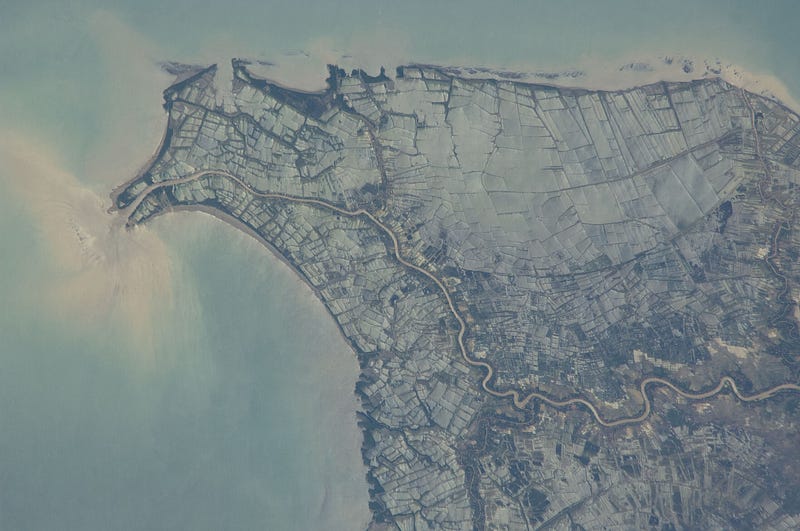

They are forced to rely on it for their land and electricity. If the numbers don’t do justice to the mental image of how polluted the river is, then know that there are places where you cannot even glimpse the river's surface.
All one can see is animal corpses and waste floating along the current. The water in itself is unrecognizable as it has camouflaged into the same muddy, disgusting color as its surroundings.
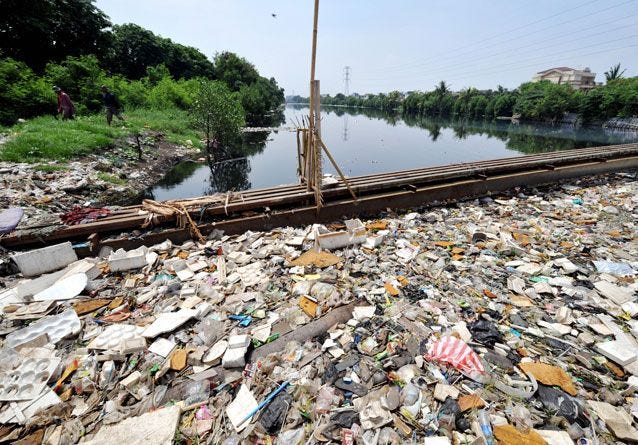

Due to prolonged exposure, people have developed skin diseases such as scabies, along with respiratory issues from the factory smoke in the area.
It has also seeped into their farmland, damaging their crops, and into their seafood as well, leaving them with contaminated fish to sell and feed on.
How would these problems get resolved
These problems can only be resolved if the government steps in with the required funds to clean out the pollution.
Granted they have been trying, but due to the prolonged exposure, the buildup of the issues makes it difficult to fully eliminate them.
Moreover, the health problems have been passed down genetically, which means even if the root problem gets solved it will be a long while before residents no longer feel the effects of it.
Want to follow up more from me and other amazing writers on Medium?
Hop on the chance to join: