avatarJono

Free AI web copilot to create summaries, insights and extended knowledge, download it at here

3402

Abstract

o themes, and extracted key insights to confirm my findings. What an eye-opening experience! These insights were invaluable in creating an effective persona for our team to understand the challenges our users faced.”</p><p id="a061">Yes, it’s a tad longer. More importantly though, the narrative is there. However, you can use photos and illustrations like the synthesis activity to break up the text. This takes me to my next tip…</p><h1 id="dfe3">Tip #2: Include process photos to show you did the work.</h1><figure id="43f0"><img src="https://cdn-images-1.readmedium.com/v2/resize:fit:800/0*77eJz0F5R0Z8ANFY"><figcaption>Photo by <a href="https://unsplash.com/@uxindo?utm_source=medium&amp;utm_medium=referral">UX Indonesia</a> on <a href="https://unsplash.com?utm_source=medium&amp;utm_medium=referral">Unsplash</a></figcaption></figure><p id="ff20">This may seem like a no-brainer, but it’s painful to see a case study that does not visually communicate the work with process photos (yes, the wall full of Post-Its and paper sketches). So, before showing your flow diagrams, <i>include</i> <i>your clustered sticky notes. </i>Before showing your sketches, <i>include your flow diagrams. </i>Before showing your medium-fidelity prototype, <i>include your sketches. </i>Before showing your high-fidelity designs, <i>include your user test outcomes. </i>You get the idea…</p><h2 id="7c60">This is getting there:</h2><p id="98c5" type="7">“I conducted interviews as a way to understand what kept this target demographic of users up at night. Was it the inability to get through a dreadful day of work under poor working conditions? I wasn’t sure.</p><p id="3d14" type="7">[Inserted photo of you facilitating a user interview here]</p><p id="18f6" type="7">But, after having completed interviews, I clustered my notes into themes, and extracted key insights to confirm my findings. What an eye-opening experience!</p><p id="84c2" type="7">[Inserted photo of you clustering Post-It notes here]</p><p id="16d1" type="7">These insights were invaluable in creating an effective persona for our team to understand the challenges our users faced.”</p><p id="6101" type="7">[Inserted digitized Persona here]</p><h1 id="2671">Tip #3: Talk through the learning outcomes / results.</h1><figure id="8fd8"><img src="https://cdn-images-1.readmedium.com/v2/resize:fit:800/0*5FpTBsPDwO0ImeQG"><figcaption>Photo by <a href="https://unsplash.com/@austindistel?utm_source=medium&amp;utm_medium=referral">Austin Distel</a> on <a href="https://unsplash.com?utm_source=medium&amp;utm_medium=referral">Unsplash</a></figcaption></figure><p id="d645">Finally, your case study goes beyond communicating the steps you took towards your solution. Along the way, make it a priority to share the learning outcomes and results of your work. Here are some questions you can answer:</p><ul><li>What did users say?</li><li>What kind of feedback did you garner from fellow designers and developers?</li><li>What were the outcomes of the user tests?</li><li>Did the solution solve the challenges faced by users?</li><li>Did you ultimately reach the goals you first sought to accomplish?</li><li>What were the key takeaways?</li></ul><h2 id="d78f">This is strong:</h2><p id="b792" type="7">“I conducted interviews as a way to understand what kept this target demographic of users up at night. Was it the inability to get through a dreadfu

Options

l day of work under poor working conditions? I wasn’t sure.”</p><p id="a882" type="7">[Inserted photo of you facilitating a user interview here]</p><p id="a707" type="7">But, after having completed interviews, I clustered my notes into themes, and extracted key insights to confirm my findings. What an eye-opening experience! As it turned out, 90% of workers expressed tremendous discomfort from poorly ventilated facilities, resulting in longer breaks outdoors.</p><p id="3c1a" type="7">[Inserted photo of you clustering Post-It notes here]</p><p id="d9d8" type="7">These insights were invaluable in creating an effective persona for our team to understand the challenges our users faced. This also gave us confidence to move towards concept development.”</p><p id="f450" type="7">[Inserted digitized Persona here]</p><h1 id="e6d0">Bonus Tip #4: Speak to the unique challenges you faced and overcame during COVID-19 (if applicable).</h1><figure id="eb6d"><img src="https://cdn-images-1.readmedium.com/v2/resize:fit:800/0*j68wMNmSv0LPiu4u"><figcaption>Photo by <a href="https://unsplash.com/@cwmonty?utm_source=medium&amp;utm_medium=referral">Chris Montgomery</a> on <a href="https://unsplash.com?utm_source=medium&amp;utm_medium=referral">Unsplash</a></figcaption></figure><p id="e680">This lockdown situation opens up challenges that many did not have to deal with before. As UX Designers, you are in the business of solving big problems. So, how did the circumstances around you impact the project, and what did you do about it? Here are some more specific questions to consider:</p><ul><li>In a remote environment, how did you facilitate collaborative environment between other UX Designers and stakeholders?</li><li>What was the work-around for the lack of in-person interactions?</li><li>What areas of your workflow and process did you re-think or improvise?</li><li>How did you remain healthy and resilient?</li><li>What did you do to keep team morale high?</li></ul><p id="0b0a">Case studies are not just a display of your work, but your personal journey from understanding the problem space and every step in-between towards your final solution. How effectively you communicate that, is of the utmost importance. Having said that, don’t be hard on yourself if you don’t nail it the first time. Remember that the case study itself is <i>organic and can be subject to changes and edits.</i></p><p id="349b">If you don’t have it all down now, don’t worry — you can always re-visit it. Tweak it. Sleep on it, then read it again. Get your friend to give a once-over. If you apply these 3–4 tips effectively, there’s no reason why your case study won’t stand out. If you have any other thoughts or tips that have worked for you, don’t be afraid to share on the comments below!</p><p id="7af8">Best, Jonathan</p><figure id="d146"><img src="https://cdn-images-1.readmedium.com/v2/resize:fit:800/0*9a-47fmLVlYuKSt9"><figcaption>The UX Collective donates US$1 for each article published in our platform. This story contributed to <a href="https://medium.com/uxmpretas">UX Para Minas Pretas</a> (UX For Black Women), a Brazilian organization focused on promoting equity of Black women in the tech industry through initiatives of action, empowerment, and knowledge sharing. Silence against systemic racism is not an option. Build the design community you believe in.</figcaption></figure></article></body>

3 tips junior designers can apply towards creating stronger case studies
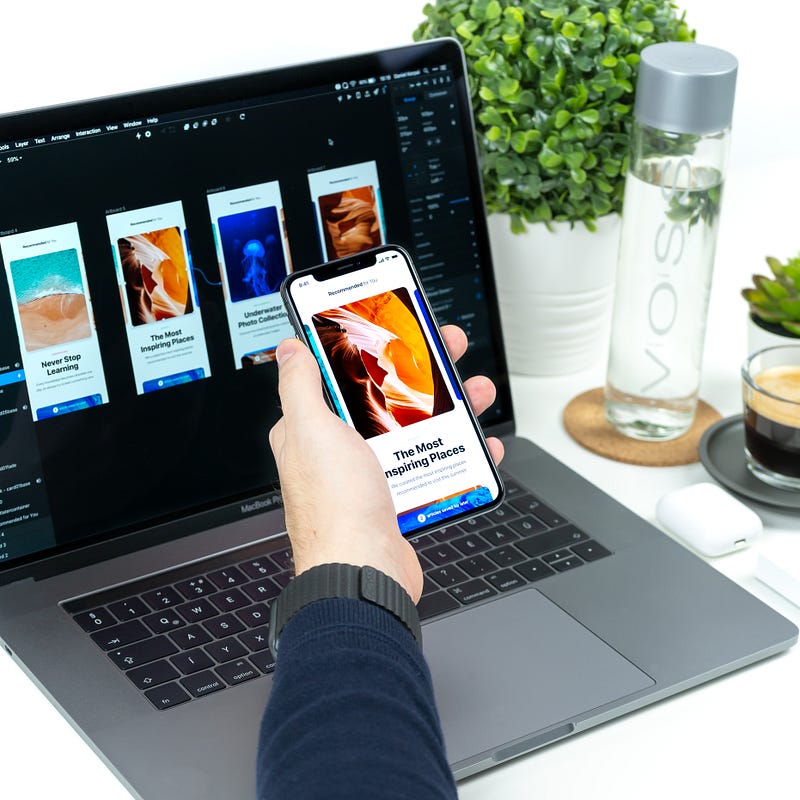
Photo by Daniel Korpai on Unsplash

Many things are asked of upfront to complete a full application for a UX Design job. To prove how capable you are as an individual contributor, you need:

  • A resume *required
  • A cover letter *required
  • A personal website *required
  • A case study (for Hiring Manager to review) *required
  • A Whiteboard challenge (for Design team to review)
  • A Take-home challenge (for Design team to review)

The biggest kahuna here, is arguably the case study.

Especially when starting out, there are no shortcuts you can take to prove your potential for the role. Therefore, explaining your work from the unpacking of the problem space to all the series of steps taken in research, synthesis, prototyping, testing and towards the final output, all matters.

I’ll use a slice of a full case study, covering the primary research section to walk you through what you should and shouldn’t do. So, without further ado, here are a few tips you can consider to help you along towards polishing up your portfolio:

Tip #1: Don’t treat your case study like a checklist of things you did — Communicate the ‘How’ and ‘Why’ behind all of it.
Photo by Matt Ridley on Unsplash

Whether it’s a group project or a solo effort, own the narrative. Meaning, don’t treat each step in the design process like a checklist of things you did to prove you did all the “required” steps. Each step has a purpose, so communicate how you used it to help you along towards your solution.

This is insufficient:

“I did my user interviews. Once I completed that, I went ahead to synthesize the findings. Next, I had to create a persona to summarize user pain points, goals and other details.”

See how it just sounds like a checklist of activities? The design process is not a set of formulaic pre-requisite steps you must complete before you’re “allowed” to start creating. Take the time to understand and value it, then begin communicating why these steps mattered and how they proved to be an important step towards your solution. This shows you’re thinking critically as a UX Designer.

This is a little better:

“I conducted interviews as a way to understand what kept this target demographic of users up at night. Was it the inability to get through a dreadful day of work under poor working conditions? I wasn’t sure. But, after having completed interviews, I clustered my notes into themes, and extracted key insights to confirm my findings. What an eye-opening experience! These insights were invaluable in creating an effective persona for our team to understand the challenges our users faced.”

Yes, it’s a tad longer. More importantly though, the narrative is there. However, you can use photos and illustrations like the synthesis activity to break up the text. This takes me to my next tip…

Tip #2: Include process photos to show you did the work.

Photo by UX Indonesia on Unsplash

This may seem like a no-brainer, but it’s painful to see a case study that does not visually communicate the work with process photos (yes, the wall full of Post-Its and paper sketches). So, before showing your flow diagrams, include your clustered sticky notes. Before showing your sketches, include your flow diagrams. Before showing your medium-fidelity prototype, include your sketches. Before showing your high-fidelity designs, include your user test outcomes. You get the idea…

This is getting there:

“I conducted interviews as a way to understand what kept this target demographic of users up at night. Was it the inability to get through a dreadful day of work under poor working conditions? I wasn’t sure.

[Inserted photo of you facilitating a user interview here]

But, after having completed interviews, I clustered my notes into themes, and extracted key insights to confirm my findings. What an eye-opening experience!

[Inserted photo of you clustering Post-It notes here]

These insights were invaluable in creating an effective persona for our team to understand the challenges our users faced.”

[Inserted digitized Persona here]

Tip #3: Talk through the learning outcomes / results.
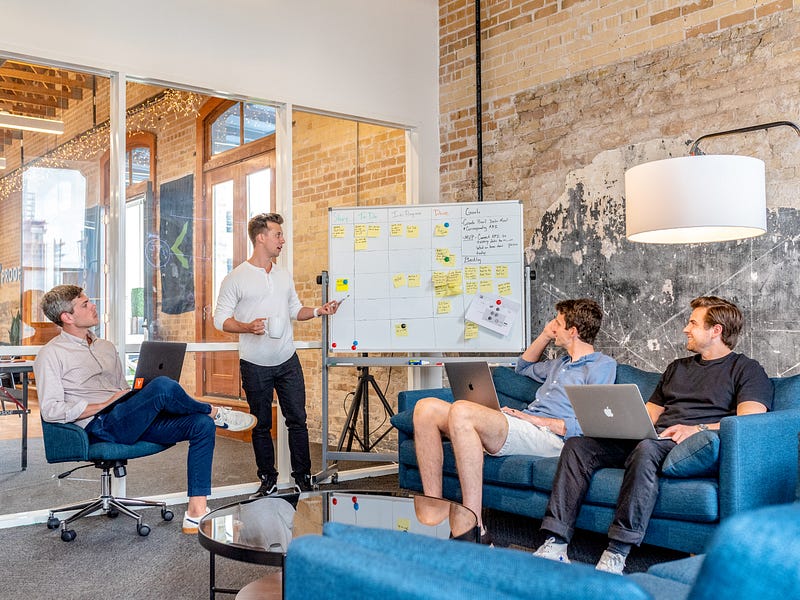
Photo by Austin Distel on Unsplash

Finally, your case study goes beyond communicating the steps you took towards your solution. Along the way, make it a priority to share the learning outcomes and results of your work. Here are some questions you can answer:

  • What did users say?
  • What kind of feedback did you garner from fellow designers and developers?
  • What were the outcomes of the user tests?
  • Did the solution solve the challenges faced by users?
  • Did you ultimately reach the goals you first sought to accomplish?
  • What were the key takeaways?

This is strong:

“I conducted interviews as a way to understand what kept this target demographic of users up at night. Was it the inability to get through a dreadful day of work under poor working conditions? I wasn’t sure.”

[Inserted photo of you facilitating a user interview here]

But, after having completed interviews, I clustered my notes into themes, and extracted key insights to confirm my findings. What an eye-opening experience! As it turned out, 90% of workers expressed tremendous discomfort from poorly ventilated facilities, resulting in longer breaks outdoors.

[Inserted photo of you clustering Post-It notes here]

These insights were invaluable in creating an effective persona for our team to understand the challenges our users faced. This also gave us confidence to move towards concept development.”

[Inserted digitized Persona here]

Bonus Tip #4: Speak to the unique challenges you faced and overcame during COVID-19 (if applicable).

Photo by Chris Montgomery on Unsplash

This lockdown situation opens up challenges that many did not have to deal with before. As UX Designers, you are in the business of solving big problems. So, how did the circumstances around you impact the project, and what did you do about it? Here are some more specific questions to consider:

  • In a remote environment, how did you facilitate collaborative environment between other UX Designers and stakeholders?
  • What was the work-around for the lack of in-person interactions?
  • What areas of your workflow and process did you re-think or improvise?
  • How did you remain healthy and resilient?
  • What did you do to keep team morale high?

Case studies are not just a display of your work, but your personal journey from understanding the problem space and every step in-between towards your final solution. How effectively you communicate that, is of the utmost importance. Having said that, don’t be hard on yourself if you don’t nail it the first time. Remember that the case study itself is organic and can be subject to changes and edits.

If you don’t have it all down now, don’t worry — you can always re-visit it. Tweak it. Sleep on it, then read it again. Get your friend to give a once-over. If you apply these 3–4 tips effectively, there’s no reason why your case study won’t stand out. If you have any other thoughts or tips that have worked for you, don’t be afraid to share on the comments below!

Best, Jonathan

The UX Collective donates US$1 for each article published in our platform. This story contributed to UX Para Minas Pretas (UX For Black Women), a Brazilian organization focused on promoting equity of Black women in the tech industry through initiatives of action, empowerment, and knowledge sharing. Silence against systemic racism is not an option. Build the design community you believe in.
Case Study
UI
UX
User Experience
Design
Recommended from ReadMedium