
3 Subtle Habits that Can Send You Into a Depressive Episode
You can call these habits the silent saboteurs
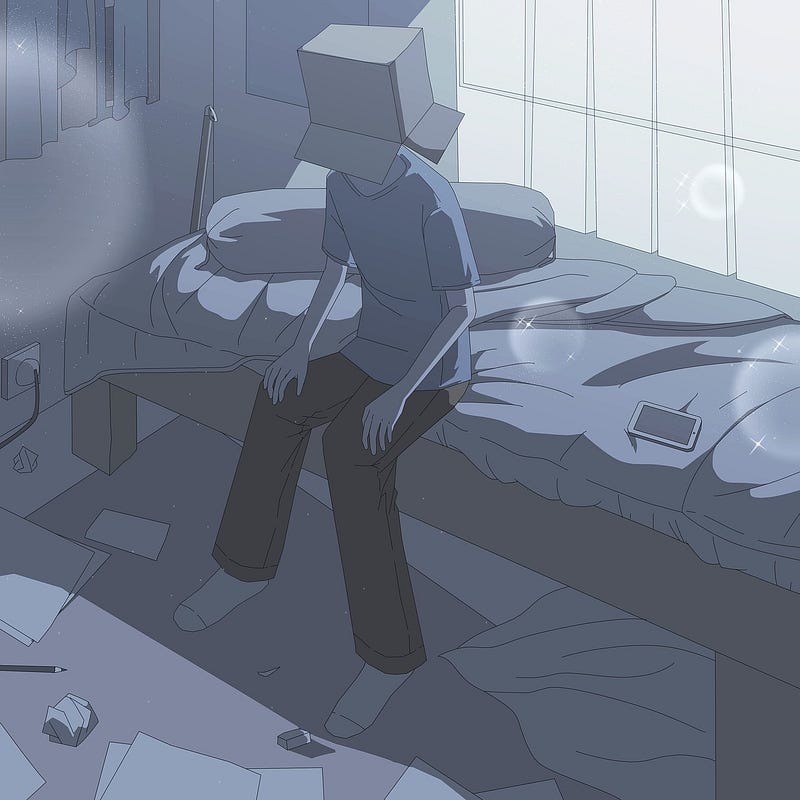
1. Social Isolation — The Silent Strain
Depression is a complex mental health condition that can be influenced by various factors, including our daily habits. While some habits may seem harmless on the surface, they can gradually lead to feelings of sadness, hopelessness, and eventually depression.
One subtle habit that can contribute to depression is isolation.
In an era dominated by technology and social media, it’s easy to fall into the trap of spending too much time alone, disconnected from meaningful human interaction. While solitude can have its benefits, prolonged isolation can be detrimental to your mental health.
Humans are social beings, and a meaningful connection with others provides a sense of belonging, support, and happiness. When you consistently isolate yourself, you miss out on the emotional nourishment that comes from sharing experiences, laughter, and support with others.
If you find yourself withdrawing from social interactions, you have to recognize the potential impact on your mental well-being.
Take conscious steps to foster meaningful connections. Engage in activities that promote social interaction, such as volunteering, attending social events, or joining clubs.
Remember, it’s the quality, not the number of connections, that matters.
Surround yourself with people who uplift and nourish your soul, and make an effort to prioritize nurturing these relationships.
Humans are social beings, and a meaningful connection with others provides us with a sense of belonging, support, and happiness.
2. Negative Self-Talk — The Inner Critic
Negative self-talk is another subtle habit that can contribute to depression.
The way you perceive yourself and the internal dialogue you engage in can significantly impact your mental well-being.
When you constantly berate yourself, indulge in self-criticism, and focus on your flaws and shortcomings, you create a toxic cycle of negative thoughts that can erode your self-esteem and contribute to feelings of worthlessness and sadness.
Recognize the power of your thoughts and the impact they have on your emotional state. Practice self-compassion by challenging negative self-talk and replacing it with positive affirmations.
Treat yourself with kindness and understanding, just as you would a dear friend.
Do things that boost your self-esteem and reinforce a positive self-image.
Set realistic goals and celebrate your achievements, no matter how small. And surround yourself with people who are good to and for you. Those who will help, uplift and empower you.
Remember, you are deserving of love, respect, and kindness, both from others and from yourself. By consciously shifting your inner dialogue, you can break free from the grip of negative self-talk and cultivate a healthier mental landscape.
The way you perceive yourself and the internal dialogue you engage in can significantly impact your mental well-being.
3. Unhealthy Lifestyle Choices — The Body and Mind Connection
Lifestyle choices can significantly impact your mental health. Habits, such as poor nutrition, lack of exercise, and inadequate sleep, can contribute to depression.
Nutrition plays a vital role in our overall well-being, including our mental health. Regular exercise has been proven to be an effective tool in managing and preventing depression and a lack of sleep can disrupt our mood, cognitive function, and emotional well-being.
Make an effort to incorporate a balanced diet rich in fruits, vegetables, whole grains, and lean proteins, as they provide essential nutrients that support brain health.
Find an exercise routine that you enjoy, whether it’s walking, jumping rope, or dancing, and aim for at least 30 minutes of exercise most days of the week. Physical activity releases endorphins, the “feel-good” hormones that boost mood and reduce stress.
When you exercise, you will sleep well at night. Prioritize quality sleep. Establish a consistent sleep routine, create a sleep-friendly environment, and practice self-reflection techniques before bedtime to improve the quality and duration of your sleep.
Remember, there is a strong connection between your body and mind. By adopting healthier lifestyle choices, you can nurture both aspects of your well-being, reducing the risk of depression and enhancing your overall quality of life.
While depression can have various other causes, it’s important to recognize the impact of subtle habits on our mental health. Avoid falling into the traps of social isolation, negative self-talk, and unhealthy lifestyle choices. You can call these habits the silent saboteurs. They lead you into self-sabotage where you stand in your own way.
Instead, prioritize meaningful connections, practice self-compassion, and adopt a healthy lifestyle that nourishes your body and mind. By being mindful of these habits and taking proactive steps to address them, you can protect your mental health and cultivate a happier, more fulfilling life.
You have the power to make positive changes and shape your own path toward joy and contentment.
© 2023 Kimberly Fosu.
Enjoyed reading this? Then don’t forget to click the clap button. It can be clicked up to 50 times. Follow me if you aren’t already to see more from me and thanks for being a part of my journey.
Join my email list for exclusive insights | Visit my website | Thanks again.


