

3 Reasons You Should Consider Cloud Computing
Take your business IT to the next level with ease.
If you’re not yet familiar with cloud computing, it’s time to get up to speed. While network-based computing has been around since the 1960s, the term “cloud computing” didn’t take off until around 2006 when Google CEO Eric Schmidt coined the term at a tech conference. Since then, cloud computing has become an integral part of the tech world — particularly for businesses.
Why? Good question.
There are many benefits associated with storing data in secure, offsite storage centres accessible via the Internet. Here are the three biggest reasons why you should consider cloud computing as part of your business IT.
Cloud Computing Will Save You Money
Most cloud computing services follow a subscription-based model that charges a single monthly rate. There’s no need for you to purchase any additional hardware or worry about complicated installations or licenses. This makes budgeting simpler and lets you be more strategic about how you manage your IT budget.
Most businesses, in fact, report that because of their adoption of cloud services, they’ve been able to use those saved funds to invest further in their business. Cloud computing has proven to be up to 40 times more cost-effective for small or medium-sized businesses than dealing with traditional storage systems.
Cloud Computing Offers a Lot of Flexibility
A huge appeal of the cloud is how flexible it allows businesses to become. With cloud computing, all of your data can be stored in secure, offsite data storage areas that are immediately accessible through a reliable internet connection and a device such as a desktop computer or smartphone. So long as you have that and the correct login credentials, you can work from anywhere in the world.
Whether you or your employees work from home, another city, or another country, being able to access data from the cloud makes it possible to maintain productivity. This works equally well with employees who need to work collaboratively but are physically located far apart. For many employees, this is can be a major perk.
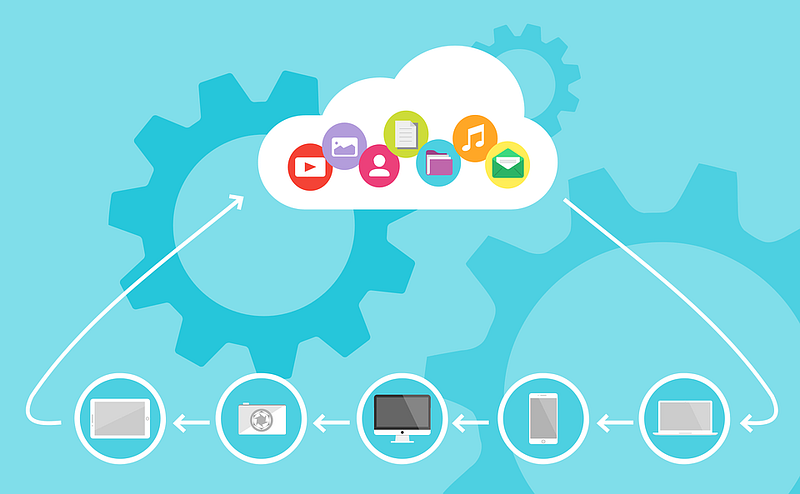
It’s not just about data storage. Cloud-based apps also make communication easier and enhance collaboration. For many small or medium-sized businesses, email and collaboration software are popular options. When employees can access, edit and share documents no matter where they are located, productivity goes up. Almost two-thirds of businesses report using cloud services has proven to have significant productivity benefits.
There is also scalability to consider. Need more storage space or accounts? Not a problem. Need less? That’s okay, too. You won’t be wasting money on IT equipment as your business scales up or down. This kind of flexibility is a big reason why so many companies switch to the cloud.
Cloud Computing Includes BDR and Security Services
Who doesn’t want an effective security system protecting their data? Nearly 95% of businesses have seen increased security benefits from using the cloud that they didn’t exist before. Because your data is stored offsite, you don’t have to worry if your physical hardware is damaged or stolen. Your data remains safe.

When you set up your cloud computing, you can add options for an automatic backup and disaster recovery plan that can restore lost data to you in virtually no time. Because recovery times are over three times faster with cloud computing services, your business continuity is protected and you need not suffer a loss of business due to accidents, environmental dangers, or cyberattacks.
In addition, cloud databases are highly secured and are being constantly monitored for suspicious activity, viruses, malware, or other online perils. Encryption options add another layer to your data’s security so you can rest easy knowing that your most important business information is safe.
It is estimated that this year nearly 80% of small to medium-sized businesses in the US will have fully embraced cloud computing. It’s no wonder. The benefits will empower businesses to become more productive and secure while, at the same time, not be a burden on the budget.
If you’re not using the cloud yet, go check it out. It will be worth it.
Thank you for reading. I’d love to share more with you via my Weekly Word Roundup newsletter sent to subscribers every Sunday. It will feature news, productivity tips, life hacks, and links to top stories making the rounds on the Internet. You can unsubscribe at any time!


