
3 Reasons why I don’t think Japanese Food is Healthy
If you expect that you can have a healthy diet on your trip to Japan, you may be disappointed.
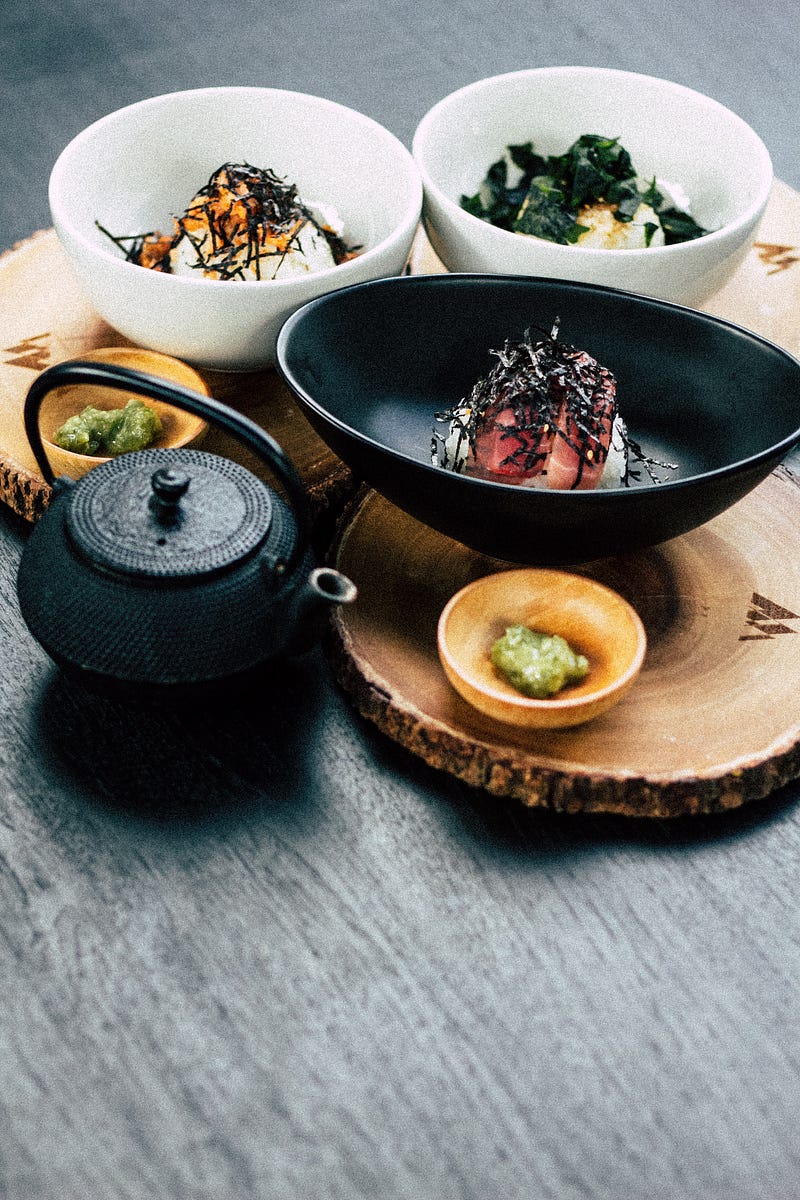
I think that lots of people consider Japanese food to be healthy. However, I often feel uncomfortable when they talk to me about how healthy they believe the Japanese diet is. Honestly, I don’t always think it is completely healthy.
I can more or less agree that the traditional Japanese diet is healthier than other foods, but the modern Japanese diet has changed a lot.
Too much salt
You might be surprised by how salty food is in casual restaurants like “Izakaya” in Japan, for example. I am Japanese and after fifteen years of living outside of Japan I find that the food has too much salt when I go back to Japan.
WHO recommends an adult to take 5 g salt or less per day to reduce blood pressure and risk of cardiovascular disease, stroke and coronary heart attack.
The research in 2012 said the average Japanese man consumes about 11.3 g of salt per day, and a woman consumes 9.6 g of salt. The Japanese Health Department suggests consuming less than 8 g of salt per day for men, and 7 g for women.
Why do they put that much salt in their food? I think that people wouldn’t say that “it’s delicious” otherwise. This is a downside to the traditional Japanese diet. They traditionally like salty food, and they grew up with sodium, which is contained in soy sauce, Miso paste (made of soybean), which are their everyday ingredients.
Another reason they prefer salty food in restaurants is that it makes their guests feel thirsty and want to drink more beverages, including alcohol, which brings shop owners more profit.
Too much MSG
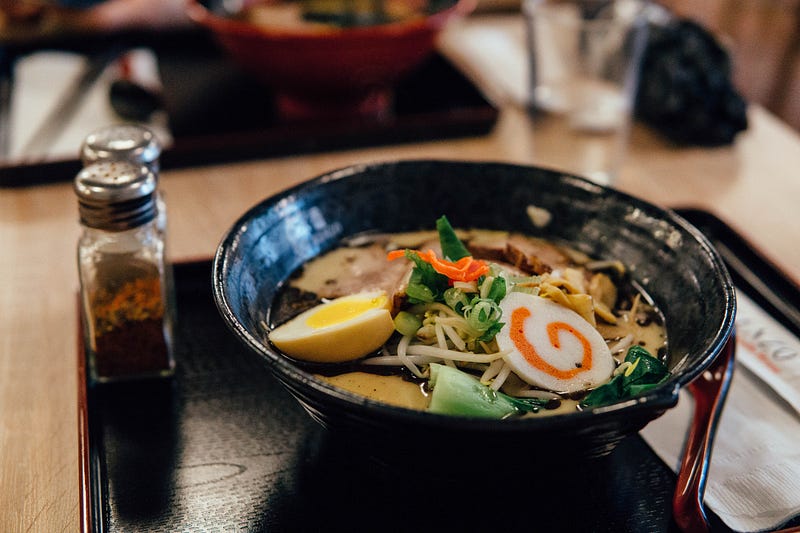
Is MSG safe or not? Although it still is a controversial issue, if you want to avoid it, it won’t be easy in Japan.
‘MSG’ means Monosodium glutamate, also called the sodium salt of glutamic acid, which was discovered by University of Tokyo chemistry professor Kikunae Ikeda in 1908. Commercial production of MSG in Japan started in 1909, and it was called “Aji-no-moto”. It then spread to Asian countries where it is also now very popular.
I am not going to say MSG is not safe, but most people would agree that it is better not to take too much of it.
I have to say that Japanese people love MSG, which is shown as “うま味調味料” or “アミノ酸等” in Japanese. If you go to Japan, you will realise MSG is everywhere.
In the supermarkets, especially the processed food, sauces or snacks sections, you will see a wide variety of food products containing MSG. Pick up a couple of products, turn them over to see the nutritional facts and you will often find those Japanese words meaning MSG on their packages.
What makes me feel funny is that the Japanese people don’t talk about it in Japan. I even wonder whether people know what exactly “アミノ酸等” means. In Japan, there are a few taboos which they never talk about. MSG is one of the taboos. (By the way, I don’t think there is real journalism in Japan, which is another topic, though.)
We will have to wait for further studies to show how the accumulation of MSG affects your body and health.
Too much Deep Fried Food
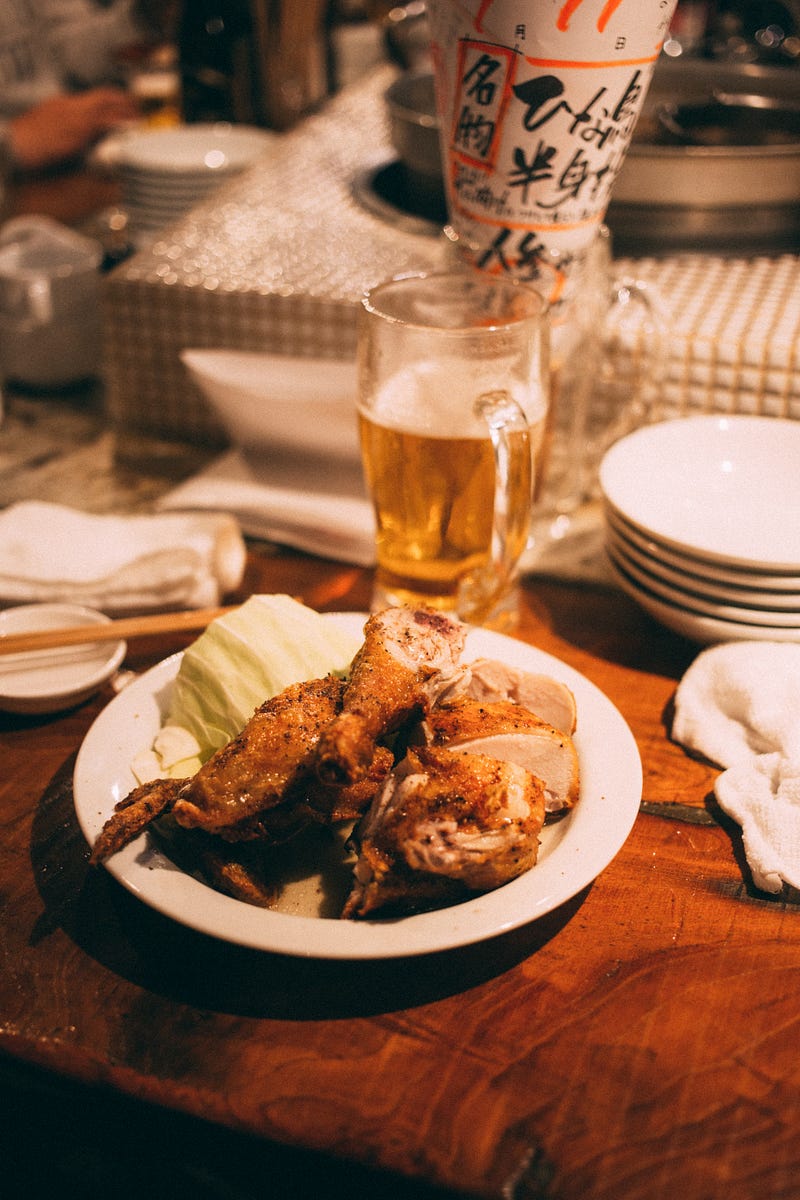
Another question: do you think deep-fried food is healthy?
I think it depends on how much and how often you have them. However, I know some Western people try not to take too much fat, so I chose to talk about this topic here.
In the modern Japanese diet we eat a lot of deep-fried food. The worldwide popular Japanese food “Tempura” is one of them. Also, we have signature dishes, “Tonkatsu” (deep-fried pork with bread crumbs), “Karaage” (deep-fried chicken with ginger and garlic flavour), and so on.
They are all my favourite Japanese food, but some of my Western friends were surprised by the fact that I often cook deep-fried food. They assume that the Japanese diet is healthy and that deep-fried food is not very healthy.
Why do people consider it healthy?

If you imagine that you can eat healthy food every day on your trip in Japan, you might be disappointed.
As I said, the modern Japanese diet has changed a lot. Some people say Japanese food is healthy, but it is only true when they are talking about the traditional Japanese diet.
The traditional Japanese diet which focuses on fish-and-vegetables with fermented ingredients, is probably much healthier. Although the actual diet which people eat nowadays may not be as healthy as you expect.
I said that fish, vegetable and fermented food are the keys to a healthy diet. However, you have to be careful. The fermented products such as Miso (soybean paste) which you find on the shelves at all supermarkets in Japan may also contain MSG as well!
Originally published at https://www.japanesque-cafe.com on March 11, 2019.