
How to Make Your Present Great Again.
3 Practices to Help Create New Memories.
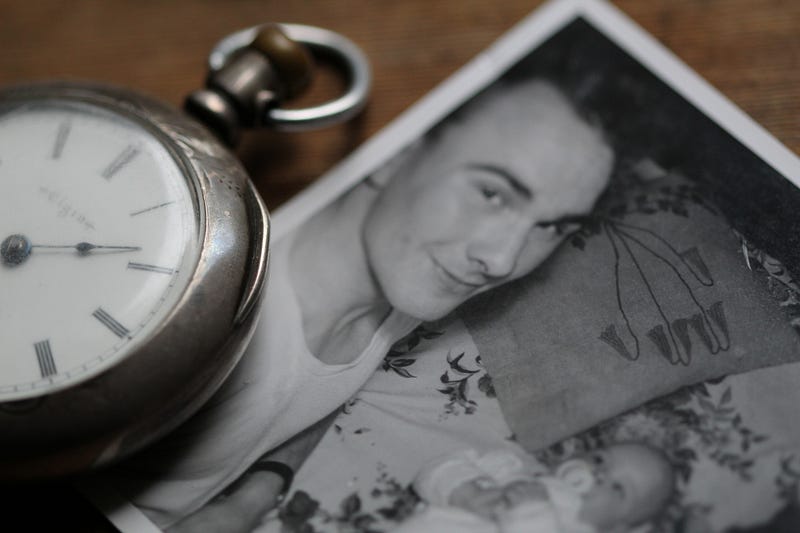
Nothing quite like a global pandemic to remind us of the good old times. Being stuck at home in the COVID-19 crisis and thanks to social media, we are reminded of past events and memories on a virtually daily basis — some bring nostalgic joy, and others can trigger feelings of loss and pain.
If you find that you are spending a lot of your time reminiscing, it might be time to rethink how you are spending your days in the present . It can be a source of great joy, pleasure, and amusement to reminisce on a time when we were younger, remembering a special person, event, or activity.
There is no harm in basking in memory. Still, if you find that you are spending much of your time looking at your past, it might actually be holding you back from creating new memories, and it puts you at risk of missing out on creating fulfilling experiences in your present and future.

While it true that nostalgia-related emotions generally have a strong positive effect on your mental health, sometimes nostalgic thoughts can feel more like dread than comfort and, left unchecked, could even cause anxiety, insomnia, and depression.
With the memory of past glory and joy, it’s easy to want to be back in that time period to escape your present. We tend to look at our past experiences through a filter that magnifies the positive while diminishing the negative —
Often, if you take a closer look and examine your life, you may be surprised to notice that you look back not because your past was so great, but rather because your present is not. The more time you spend reminiscing, the more likely you feel dissatisfied with the present and more likely to neglect your present by daydreaming of the past instead of imagining new heights to which you can aspire.
What to do — start by incorporating small doses of reflection and mindfulness in your present days. Writing can have an incredibly positive influence on your ability to connect with present life situation. Try it!
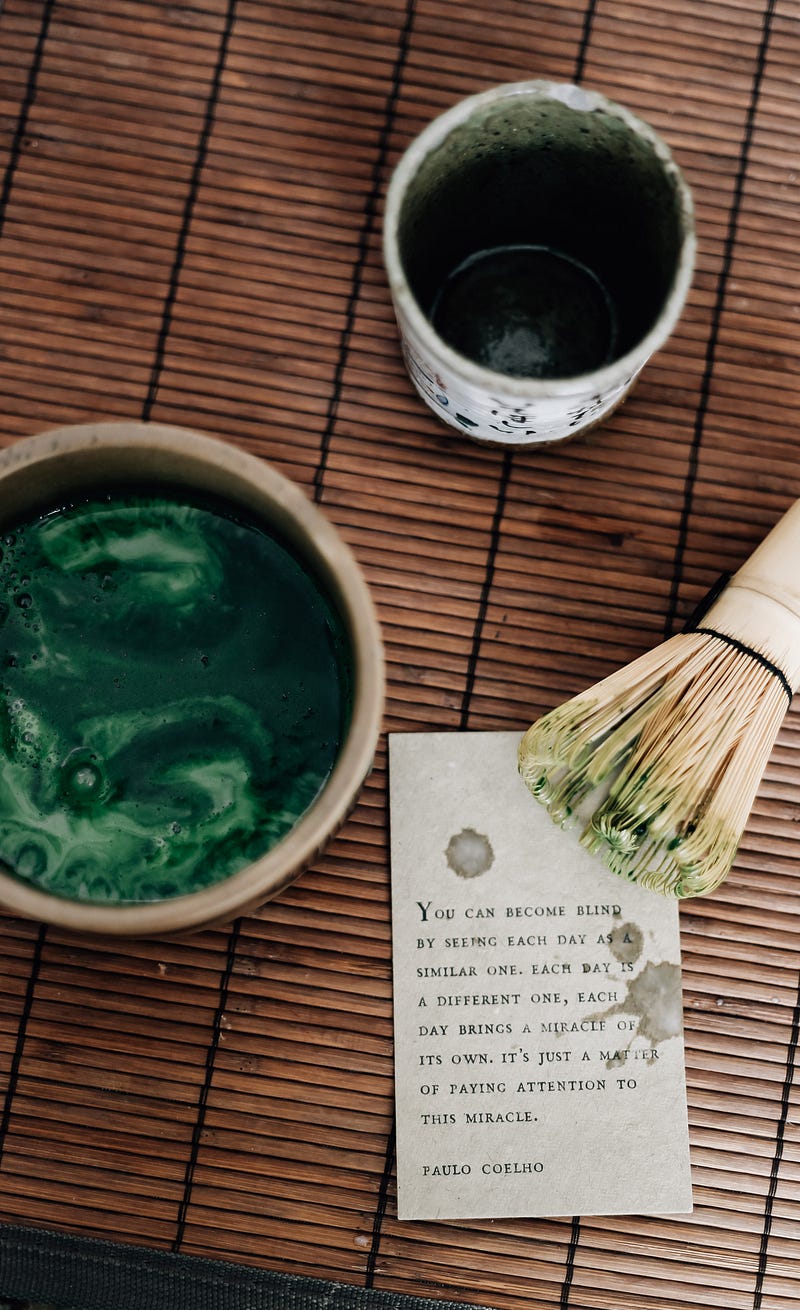
Practice # 1: Mindfully Appreciate Each Day
As Eleanor Roosevelt once said, “The purpose of life is to live it, to taste experience to the utmost, to reach out eagerly and without fear for a newer and richer experience.”
One way to stop living in the past is to enjoy and appreciate each day. Start keeping a journal and jot down three things you’re grateful for each day. Take a walk, notice the sidewalk, pet your dog, or cook a special meal.
It sounds simple, but it really can make all the difference in terms of how connected we feel with our present, and it’s what we might remember in the future. Engage all your senses and enjoy the sights, sounds, touch, taste, and smells of every day.
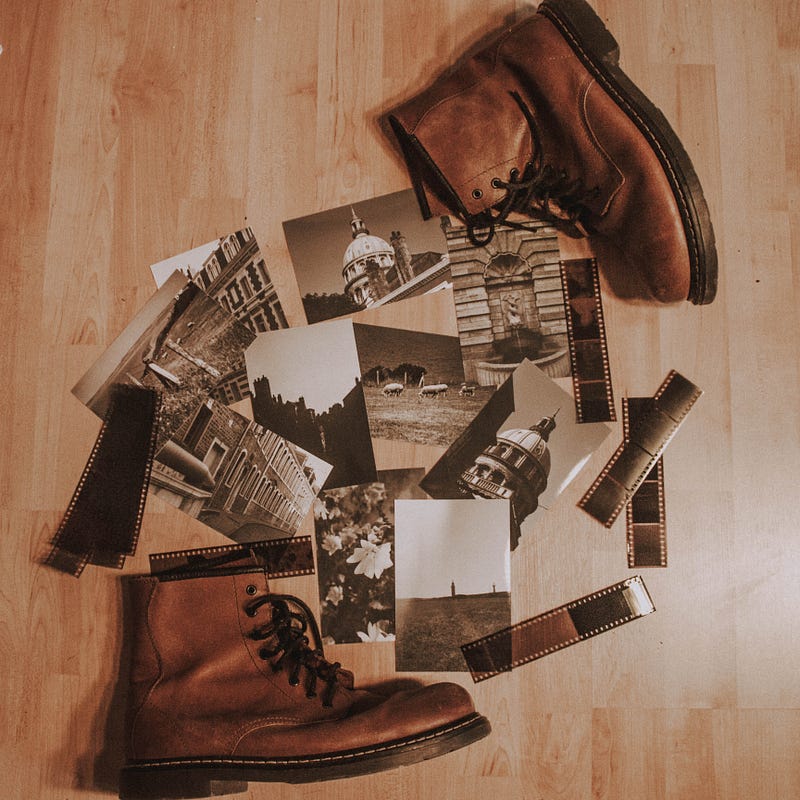
Practice # 2: Get rid of Memorabilia
Sometimes a memento is a special memory of a special time, and sometimes it’s just an object that’s imprisoning you in your past. It might be helpful to think about attaching the emotion to the memory rather than the physical memorabilia.
It will likely take some coming to terms with and actively reminding yourself of the fact that you’ll always be able to get another memory and another moment. Getting rid of an excess of items associated with the past will help you stop living in days gone by and free you to live in and enjoy the present. Actively practicing letting go is sometimes difficult and always therapeutic!
Practice # 3: Make Future Plans
Plan to read or write each day, plan to meet a friend (maybe virtually for now!), plan a long hike (socially distant off course!), perhaps a vacation, or create a goal you want to reach in the near and distant future. Maybe you want to learn a new language, ride a bicycle, learn to cook a new dish, start playing the piano, or read all the classic novels.
So, go ahead and make a plan, find a way to share your goals and resolutions, think realistically, be patient, and don’t be afraid to take a few risks. There’s a lot of life waiting to be lived, so plan to make the most of it.
While there’s certainly nothing wrong with savoring a moment of nostalgia, it’s important to live in the present and spend your time enjoying your life as you live it. If you make an effort to create an engaged life for yourself each day, you’ll not only bring yourself great happiness and satisfaction, but you’ll create many more memories to relish in the days to come.


