
3 Practices for Fostering Sibling Friendship
Raising Our Kids to Be Lasting Friends
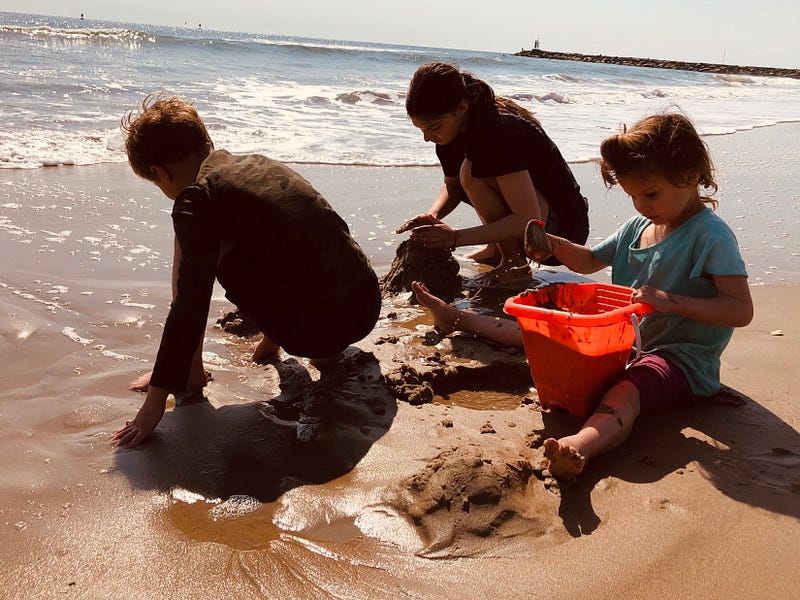
Raising a family is hard. Raising a family with kids that remain friends forever is harder.
I’ve met parents who assume their kids will somehow magically get along. If this fails to occur, parents often blame their lack of friendship on different personalities, temperaments, or interests.
The above statement may hold weight. But defaulting to these reasons sometimes neglects the formation of the sibling relationship in the family environment.
Parents who desire their children to possess healthy friendships cannot sit idle when developing positive habits in their relationships. On the contrary, they must develop a friendly relationship early on. This development includes defining the parameters for healthy friendship and then monitoring what constitutes appropriate behavior.
Below are three tips that have worked wonders with us regarding friendship among our children. By no means exhaustive, these practices have helped create solid relationships within our family dynamic.
1. Teasing is Unacceptable, But Forgiveness is Not
I grew up on the popular family sitcoms of the ’80s and ’90s. A common theme was the constant teasing bouts between siblings. Today, this comedic trend remains in popular shows. Of course, these jests are for a laugh track, not real life.
In our family, there is a zero-tolerance teasing policy.
Teasing entails someone is unhappy with a comment or joke — essentially relegating them outside the laugh track (i.e., not laughing with someone since the laughter is at their expense). When it comes to our children, we let nothing go in this regard. Teasing never gets a chance to begin.
Of course, mistakes are made (albeit rarely).
When teasing occurs, words of forgiveness replace the mocking words. Our children have caught on quickly and learned to reconcile. They know the difference between a joke where everyone laughs and a tease where another is made fun of for one’s benefit. If it is the latter, a gesture of forgiveness follows.
There are other benefits to this zero-tolerance policy.
We have found our kids stick up for others in situations where teasing is involved. Not only do they back each other in these situations, but they defend anyone being teased or bullied. They have gained self-confidence in this arena and navigate it appropriately.
Likewise, we highlight the 5:1 ratio whereby every negative situation needs five positive ones to counterbalance it. This ratio includes our language and speech toward each other. The zero-tolerance policy on teasing lends way to affirming speech between our children at a profuse rate.
Regardless of what the world brings, our home is a haven for positive and life-giving speech. We ensure the relationships between our kids mimic this environment daily. Their friendship has only grown because of the no teasing policy.
2. You Must Like Your Sibling Before Loving Them
There is an old saying that you don’t need to like a family member, but you need to love them. We turn this saying on its head when dealing with the relationships between our kids.
We feel that loving someone without liking them leads nowhere with a friendship between siblings. It is like saying, “I don’t ever want to be around my sibling, but I hope nothing bad happens to them.”
This sentiment is tragic for families.
We disagree with any family mantra where love and like remain divorced from one another. We often tell our kids how they must like their siblings even before loving them. Our thought process is blood (love) binds families automatically, but liking allows families to flourish.
So what does this entail? It means our children must find something they enjoy doing together. Our children must like something about their brother or sister—and make that known. Doing so paves a lasting and mature friendship.
Although each child possesses different likes, talents, and interests, there is a push to locate areas of common interests, common likes. When this is harder to do at a particular time, our kids understand how a sacrifice of individual want is sometimes needed.
For instance, one child may defer their gratification to give way to the likes of a sibling. They understand how, in time, it will be the other way around with their interests. In each case, each gives positive attention so that the same positivity returns.
We found our kids even begin to like their sibling interests because of these positive approaches. Even when this fails, sacrificing for the betterment of the family is repaid to each kid in the future.
3. Adventures Without Parents
Our kids don’t always do as told when my wife and I leave for groceries. My teenage daughter watches the other two, but they all tend to ignore our chore list and play games together instead.
My daughter then texts us to inquire when we are returning. Minutes before, our children do a quick sweep of the house in record time. When we return, I’ve often seen them look at each other as if they got away with their deviant scheme of sofa jumping Olympics. They are under the impression they’ve fooled the elders.
They didn’t.
And I love it.
I love it because they are creating healthy adventures when outside our immediate presence. Sure, their clean-up is subpar, but I believe these fun times without parents are necessary for lasting sibling friendship.
Research shows how siblings interact as kids are indicative of how they will get along as adults. Such is the reason why we never interrupt our children when interacting positively. We want them to create these lasting memories to extend into adulthood.
To ensure this happens, my wife and I provide these solo-sibling adventures regularly. We refrain from over-scheduling their lives — especially when it takes them from family —and then create quality family outings. However, we design these family excursions so that kids have the opportunity for escapades together.
Thus, there are always moments of parent-free independence — from skiing vacations to playing zombies in the cousin’s yard. We found these independent adventures go a long way in building their friendship and memories. Judging from their smiling conversations at the dinner table, we feel it is the right way to go.
My wife and I are far from perfect in raising our children. Yet, we made it our goal to stay current with raising kids through reading and education. We constantly have discussions on tips we find in this regard.
One thing constantly reinforced in our findings is the amount of practice it takes to raising healthy families — and, by extension, healthy sibling relationships. The sooner parents begin to form positive habits to ensure these relationships occur, the better outcome in the long run.
Hopefully, these tips can help.