3 Non-Technical Books for Marketing Data Scientists and Data Addicts
It is all about understanding behaviors

As a data scientist, you are probably always looking for ways to improve your skillset. In the marketing field, it’s essential to stay up-to-date on the latest data trends and technologies. However, not all data science knowledge needs to be learned from technical textbooks or online courses.
It is equally important to master the business we work in as it is to be technically sound. Sometimes the best way to learn is simply by reading books written for a business audience.
In this blog post, I will recommend three non-technical books that help me grow as a Data Scientist in Marketing.
Nudge — Richard H. Thaler & Cass R. Sunstein
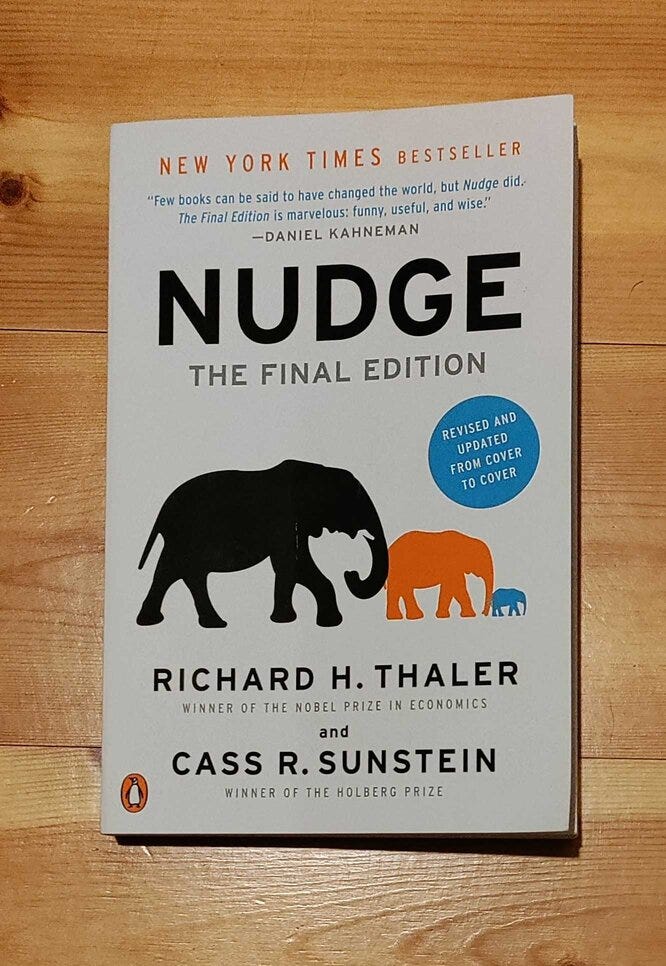
The book Nudge is one of my favorites for Marketing!
It’s written by two economists, Richard Thaler and Cass Sunstein, who won the Nobel Prize in Economic Sciences in 2017. The book discusses how people make decisions, and it has a lot of great insights for data scientists who want to understand human behavior better.
For example, the book explains why people often don’t make rational decisions, and it offers ways to subtly influence people’s choices without them realizing it.
This information can be beneficial for data scientists as they can use these insights to improve their marketing campaigns by creating more effective messages.
Let’s take an example: Some people click on an ad for a new product but don’t buy it because they’re not sure what the benefits would be.
If, as a data scientist, you know about nudges in psychology, then you could design a marketing campaign using words like “the most delicious” or “guaranteed.” This will lead customers towards buying decisions without realizing it!
As you can see from this brief description of Nudge and its relevance for data scientists, there are many different ways we can apply this information within our field of work. Data science is all about human behavior, so it’s no wonder that a book like Nudge is so relevant.
Mindset — Dr Carol S. Dweck
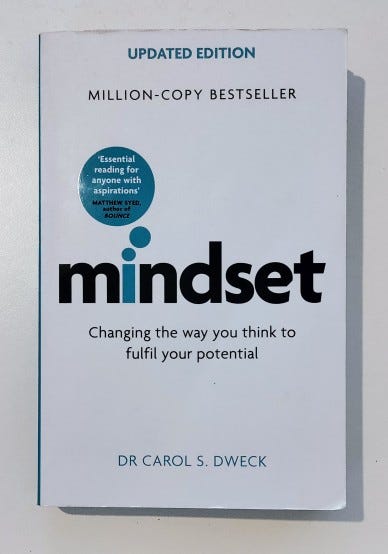
The second book I want to recommend is Mindset by Carol Dweck. The book discusses the power of mindset, and it has a lot of great insights for data scientists who want to improve their work habits and ensure career progress.
For example, the book explains how data scientists can adopt a growth mindset instead of a fixed mindset.
- A growth mindset is when you believe that you can constantly improve and learn new things.
- While a fixed mindset is when you think that your skills are set in stone and cannot be improved.
According to the research discussed in Mindset, having a growth mindset leads to greater success and happiness in life. Data science is about learning new things and constantly improving, so a book like Mindset is more than relevant for data scientists.
The Tipping Point — Malcolm Gladwell
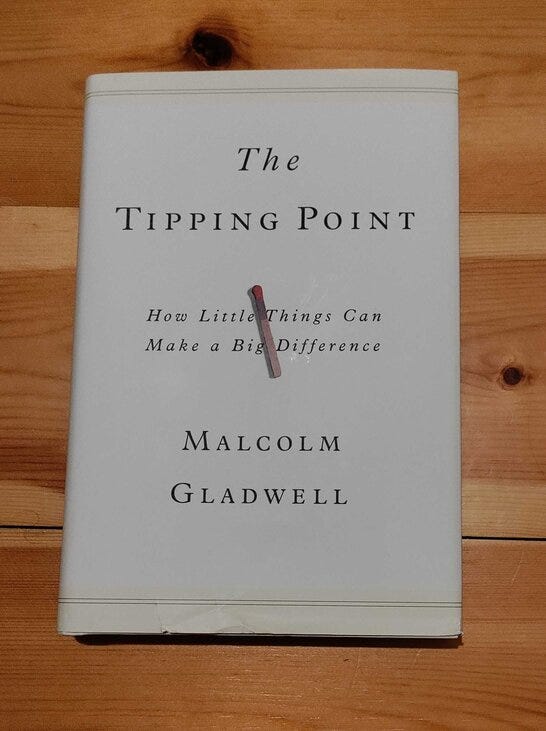
The book The Tipping Point is also relevant for data scientists, specifically marketing data scientists.
The book written by Malcolm Gladwell discusses how small changes can lead to significant results. It’s full of insights on how to create successful marketing campaigns.
For example, the book explains why some messages are more effective than others, and it offers ways to create contagious content. Data scientists can use this information to design marketing campaigns that are more likely to succeed.
Additionally, the book discusses how one can use social networks to spread their message virally. It shows how one can create contagious content and explains why some messages are more effective. This information can be extremely useful for data scientists who want to increase the reach of their marketing campaigns.
The term “tipping point” refers to the moment when an idea or behavior spreads like wildfire among people in a group (e.g., social networks).
If you want to learn more about the concepts of virality, stickiness, and influence then this book is for you!
Overall, these three books have a lot to offer to data scientists who are looking for ways to grow in the Marketing field. The books may not be technical, but they’re still extremely relevant for data scientists.
After all, Data Science is not only about data and statistics, it is also a lot about understanding the business we work in!


