
The 3 most frequently used Russian phrases when we are travelling in Belarus
Before I arrived in Belarus, I never ever expected this phrase would be that useful: “Я не говорю по русски(Ya ne govoryu po russki)” meaning “I don’t speak Russian”. However, this was probably the most frequently used sentence by us in Belarus.
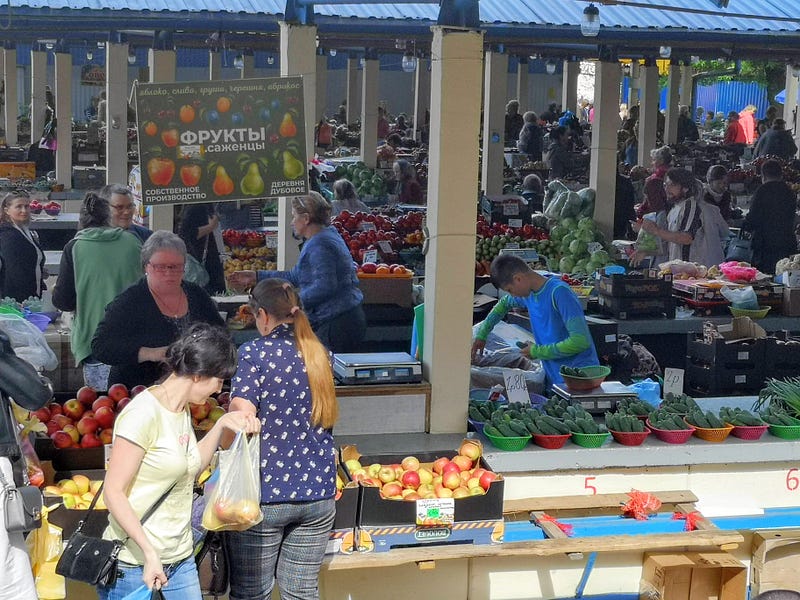
Most people in Belarus are bilingual, speaking both Belarusian and Russian, but there were not many people who could speak English. They looked at my boyfriend’s Western face and looked at my Asian face, and again looked at my boyfriend, spoke to him in Russian, because he must have seemed more likely to understand Russian.
Neither of us barely speak Russian. My boyfriend had to say: “Я не говорю по русски” at least 5 times a day, and still they continued to speak Russian to us (or maybe Belarusian, which we don’t have any idea how different from Russian).
The second most useful phrase was “Пожалуйста (Pozhaluysta)” which translates to “You are welcome” or “Please” in English. This word can be used in so many situations, for example, when we were walking on the street and wanted to ask the way, we just said this word and people would stop.
You can say “Пожалуйста” to order something in a restaurant, bar, or shop, as well when you want to get someone’s attention. There is a more authentic Russian word which corresponds “Excuse me” in English, but “Пожалуйста” is enough to let them understand that you want something.
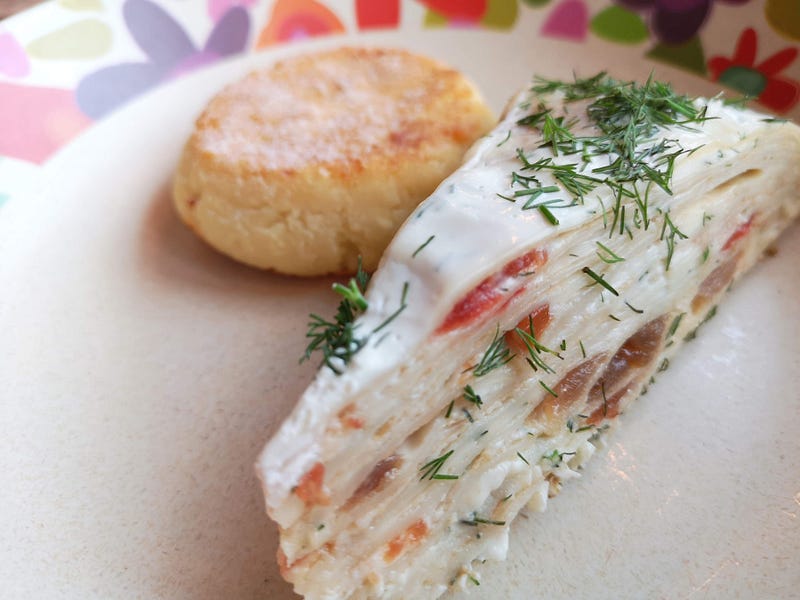
Another famous word is “Спасибо (Spasibo)”, which means “Thank you.” Nobody wouldn’t be happy with this word. So we simply repeated these 3 magic phrases every day: “Я не говорю по русски,” “Пожалуйста,” and “Спасибо.”
I tried to learn Russian a few years ago because I want to travel on the Trans Siberian Railway one day, which is a long journey from Beijing or Vladivostok to Moscow for 7 days. However, the Russian language is not straightforward (actually, none of the foreign languages could be easy, anyway), so I gave it up.
This was my first time to visit a Russian-speaking country and I was motivated to brush up on my poor Russian.
I don’t know whether my dream of taking the Trans Siberian Railway trip will ever come true, but if it happens, I want to be able to say “чуть чуть (a little)” when people ask me “вы говорите по-русски (Do you speak Russian) ?”