
3 Mistakes You’re Doing Right Now
C’mon you have to be intrigued by this title.
Alright folks, since none of you are going to read this boring intro, let’s get straight to the nitty gritty. These are 3 mistakes most of us do on a daily basis. Understanding them is easy, changing our lifestyle accordingly according is hard but the benefits are exponential. Ready to unlock the next version of yourself? Let’s go 🚀
1 — Not Managing Stress
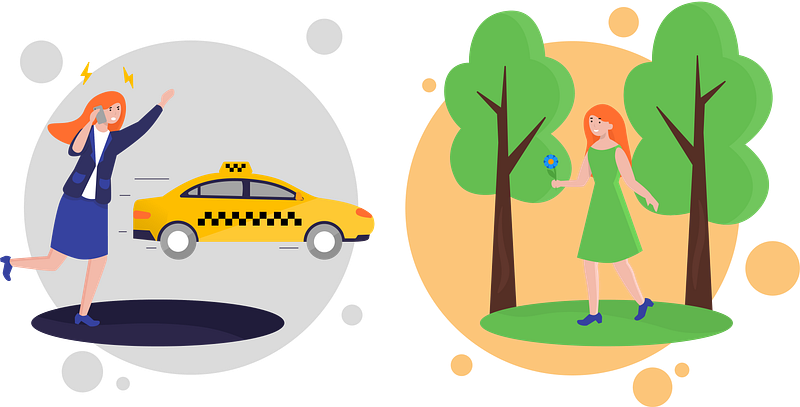
Have you ever been in danger? Maybe thieves broke into your house, you were close to crashing your car, you were being chased by a wild animal or you were at the mall shopping and somebody eyed that last pair of Virgil Abloh’s Off-White Nikes you so desperately wanted?
In all those situations, your body likely responded by quickly releasing cortisol, a crucial hormone for survival. Whenever you’re under stress, cortisol helps you boost energy levels, stay highly alert, regulate blood pressure, and redirect its flow to fuel the brain, muscles, and heart. As soon as the threat has passed, your brain adjusts the cortisol level, and as adrenaline is restored back to normal, your heart rate and blood pressure return to baseline levels. Sadly, life in the 21st century can be filled with financial insecurity, taxing routines, conflicts, and traumatic experiences, all of which lead to a prolonged and sometimes chronic state of stress.
The result? It’s really not much of a surprise that several studies show a correlation between stress and depression, heart disease, memory, and concentration impairments. All of which makes it really hard to be happy.
Key Takeaway: Our bodies are not designed to thrive under prolonged periods of stress, which can be a natural consequence of the frantic lifestyle many of us are forced to have.
Actionable Steps: There is no silver bullet able to eliminate stress in your life, as causes and situations differ. Many see great benefits when trying mindfulness exercises, 4–7–8 breathing, or simply walking in nature for 20 minutes can cut cortisol levels by 10%.
2— Not Eating The Right Foods For Your Brain
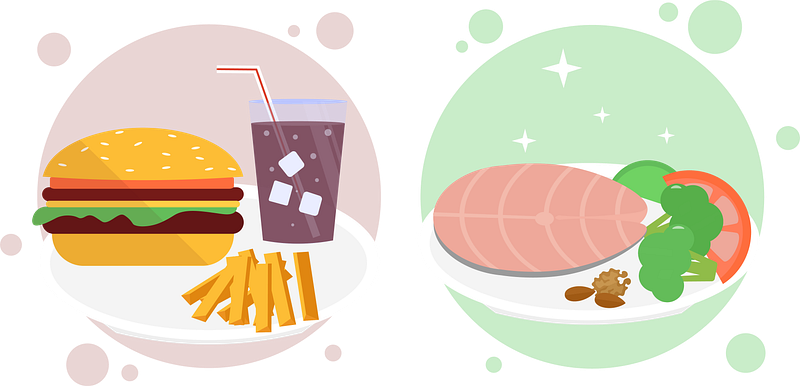
Even though we’ve been bombarded since childhood with sayings like “you are what you eat”, highlighting the importance of a healthy diet, studies suggest that a staggering 20% of deaths worldwide are linked to poor diets. And it’s of no wonder: we are hooked on caffeine, alcohol, and the cheapest dopamine provider, sugar. Dietitian Cassie Bjork states that sugar can be even more addicting than cocaine. Bjork says “Sugar activates the opiate receptors in our brain and affects the reward center, which leads to compulsive behavior, despite the negative consequences like weight gain, headaches, hormone imbalances, and more…. Every time we eat sweets, we are reinforcing those neuropathways, causing the brain to become increasingly hardwired to crave sugar, building up a tolerance like any other drug.” Excessive sugar consumption is linked to higher blood pressure, inflammation, weight gain, and diabetes, all of which ultimately lead to an increased risk of heart attacks and strokes. Just to put things in perspective, in the year 2017–2018 the American average daily intake of added sugars was 17 teaspoons, almost double compared to the recommended dosage.
At the same time, the basic ingredient to help our brain build serotonin (the contentment hormone), is the tryptophan amino acid — one of the rarest amino acids in our diet. It can be found in eggs, fish, nuts, spinach, and soy. Other fundamental chemicals that correlate with tryptophan are the omega-3 fatty acids. Omega 3 plays a crucial role in the maintenance of normal brain function as we get older. It acts as a “membrane fluidifier”, which preserves cell membrane health, facilitates communication between brain cells, and prevents cell aging and premature death. If you’re still not convinced about this whole omega-3 story, please know that a pretty wild feature of omega-3 is that it allows endocannabinoids (which is pretty much our brain’s version of marijuana cannabinoids) to work at their best and help to alleviate our levels of anxiety.
Key Takeaway: What we eat plays a crucial role in our overall emotional wellbeing. It’s way too easy to intake excessive amounts of sugar, caffeine, and alcohol which combined with a lack of sufficient “brain” foods may prevent your body from producing “happiness neurotransmitters”.
Actionable Steps: C’mon you already know what you gotta do. Less soda and fries, more veggies and (wild-caught) fish. Jokes aside, try analyzing your eating habits, and instead of just trying to eliminate junk food, focus on replacing it with healthier alternatives. Here you can find some ideas.
3— Not Using Your Phone Right
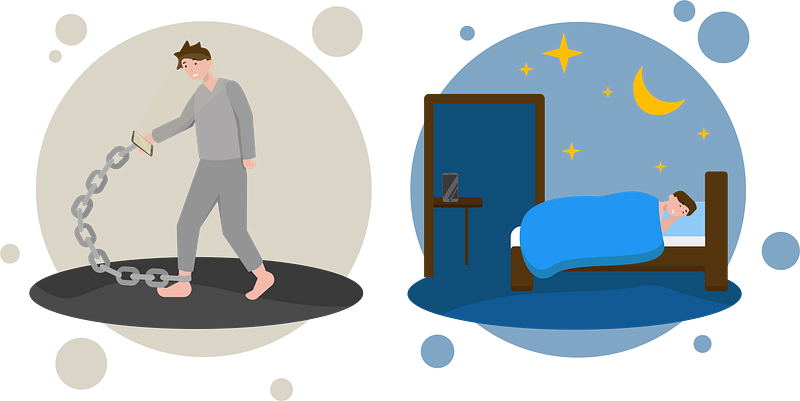
Have you ever heard of the term “nomophobia”? If you haven’t, nomophobia is defined as the “fear or anxiety caused by not having a working mobile phone”. According to some studies, 75.4% of users admit to being addicted to their smartphones. Smartphone addiction in turn is linked to depression, stress, and sleep loss.
Now although correlation is NOT causation — in other words, just because two phenomena are linked does not mean that one is the cause of the other — it’s easy to see that the obsession with which we constantly check our phones is neither healthy nor normal. And it’s not really our fault: every time we hear a ding or feel the slightest vibration in our pocket, something is in store for us: it may be good news or it may be bad news. The extremely powerful principle behind it is known as variable reward. It’s often seen in action in slot machines (the user doesn’t know how many times he has to pull the lever before winning), video games (the player doesn’t know what a particular reward is), and many more addictive experiences. But at the end of the day, when the desired outcome is encountered — after many spam email notifications you finally receive your crush’s text, after countless losing streaks you hit the jackpot, etc.. — the result is inevitably, always, just the same: dopamine rush.
Aaaaand you’re hooked.
Key takeaway: our phones can be highly addictive. They distract us and their unbalanced use is linked with anxiety and depression.
Actionable Steps: try allocating times throughout your day (or if you’re feeling Bear Grylls-like adventurous, allocate an entire day) where you’re not with your phone or it’s in Do-Not-Disturb mode. Try to keep your phone beyond reach when you go to sleep.
Wrapping Things Up
If you have reached this point, high five! Although this was by no means a complete and comprehensive list, I hope you learned at least one new thing, or that reading this article will give you the motivation to try and experiment with new habits in your life. I have added for each fact quoted, links to their sources, and more importantly, put a lot of ❤️in writing this. Want to know 2 more things that could INSTANTLY make you happier? Check out part II of this article!
If you liked this article please feel free to talk to your grandma about it, send me a couple of bitcoin, do a backflip, or leave a comment in the section below :)