avatarFrancis K

Free AI web copilot to create summaries, insights and extended knowledge, download it at here

2470

Abstract

om/@iyankurnia?utm_source=medium&utm_medium=referral">Iyan Kurnia</a> on <a href="https://unsplash.com?utm_source=medium&amp;utm_medium=referral">Unsplash</a></figcaption></figure><p id="ec19">As you chase your goals and dreams, <b>do you slow down to cherish what is truly important?</b></p><p id="d774">In the book, Dr. Kalanithi emphasizes our mortality.</p><blockquote id="3d69"><p>“I began to realize that coming in such close contact with my own mortality had changed both nothing and everything. Before my cancer was diagnosed, I knew that someday I would die, but I didn’t know when. After the diagnosis, I knew that someday I would die, but I didn’t know when. But now I knew it acutely. The problem wasn’t really a scientific one. The fact of death is unsettling. Yet there is no other way to live.” — <a href="https://primeyourpump.com/2019/03/20/when-breath-becomes-air-summary/">Dr. Paul Kalanithi</a></p></blockquote><p id="30ad">Once he was diagnosed with cancer and knew he had a few months to live, he began living intentionally.</p><p id="e04d">The decisions he made and how he spent his time were all influenced by his desire for meaning.</p><p id="f5d0">Dr. Kalanithi had a love for literature from a young age. However, when striving for success as a neurosurgeon, he worked long days and had little time for books.</p><p id="70ba">It took his cancer diagnosis to remind him about what was truly important.</p><p id="1ed1">Perhaps we shouldn’t wait for any wake-up call to begin spending time on what we love and enjoy.</p><p id="4c1b">Maybe we should focus on doing meaningful things every day without the fear of death or terminal illness at the back of our minds.</p><p id="b501">This was the main lesson I learned from Dr. Kalanithi.</p><p id="e9dc" type="7">Cease not until Death — Dr. Paul Kalanithi</p><h2 id="827c">#2Embrace change</h2><figure id="acaf"><img src="https://cdn-images-1.readmedium.com/v2/resize:fit:800/0*yO9w_1zA4d_GnZHJ"><figcaption>Photo by <a href="https://unsplash.com/@scw1217?utm_source=medium&amp;utm_medium=referral">Suzanne D. Williams</a> on <a href="https://unsplash.com?utm_source=medium&amp;utm_medium=referral">Unsplash</a></figcaption></figure><p id="cf8a">Dr. Kalanithi advises that we embrace change.</p><p id="7d6c">What’s more, what is important to us will change constantly.</p><p id="6525">Time and time again.</p><blockquote id="d2cc"><p>“The tricky part of illness is that, as you go through it, you

Options

r values are constantly changing. You try to figure out what matters to you, and then you keep figuring it out…You may decide you want to spend your time working as a neurosurgeon, but two months later, you may feel differently. Two months after that, you may want to learn to play the saxophone or devote yourself to the church.” — <a href="https://primeyourpump.com/2019/03/20/when-breath-becomes-air-summary/">Dr. Paul Kalanithi</a></p></blockquote><p id="93fd">We must be willing to be comfortable with change, for it shows that we are growing.</p><p id="18e6">Buddha advises us:</p><blockquote id="9dee"><p><i>Just as a snake sheds its skin, we must shed our past over and over again. Buddha</i></p></blockquote><h2 id="fcc8">#3Have a balanced time perspective in life</h2><figure id="1708"><img src="https://cdn-images-1.readmedium.com/v2/resize:fit:800/0*7m0WElcXn7CwH4N6"><figcaption>Photo by <a href="https://unsplash.com/@hautier?utm_source=medium&amp;utm_medium=referral">Christophe Hautier</a> on <a href="https://unsplash.com?utm_source=medium&amp;utm_medium=referral">Unsplash</a></figcaption></figure><p id="1d96">Sometimes, we lose balance.</p><p id="8e41">We work for 12 hours and sleep for only 4. However, the book teaches us to live in the moment and plan for the future.</p><p id="ce0b">Perhaps you should prioritize working smart instead of hard. Embracing deep work and allowing yourself time to rest and spend time with family?</p><p id="7ad6">Adopting mindfulness and working hard in the present moment while planning for the future were the main lessons I learned.</p><p id="9de9">The book is a recommended read because it gives so many more lessons about life that we take for granted.</p><p id="5cc6" type="7">We have a reading community where articles from amazing writers are shared weekly. Feel free to join us and follow the community.</p><div id="4a16" class="link-block"> <a href="https://readmedium.com/writers-for-writers-8270c4d151a8"> <div> <div> <h2>Inspirational Writers Reading Community</h2> <div><h3>Some of the best pieces by amazing writers on Medium</h3></div> <div><p>medium.com</p></div> </div> <div> <div style="background-image: url(https://miro.readmedium.com/v2/resize:fit:320/0*UCSqLTP_LnJmARzM)"></div> </div> </div> </a> </div></article></body>

3 Life Lessons I Learned From “When Breath Becomes Air” by Paul Kalanithi

These have transformed my life
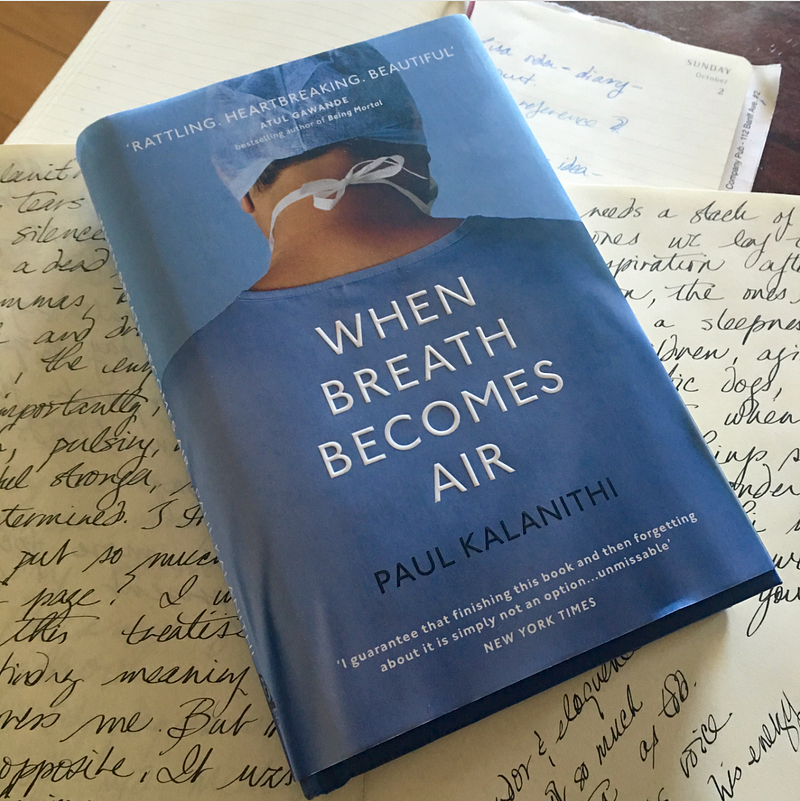
When Breath Becomes Air Cover. Source: Kristen Fogg

Dr. Paul Kalanithi had the perfect life.

He was a neuroscientist and neurosurgeon at Stanford and was living his dream as a medical professional. He was married and earning good money.

However, in May 2013, Dr. Paul received the news that he had been diagnosed with lung cancer (and later brain cancer).

Shockingly, he only had 22 months to live!

Such news is a wake-up call that moves you from knowing that you will die someday to knowing the exact day.

His mind must have been a mess after receiving the news.

Despite this, Dr. Paul did something remarkable and thoughtful.

He wrote a book. When Breath Becomes Air.

The book was translated into over 50 languages and sold over 15 million copies.

The opening lines from his book are so vivid.

“I flipped through the CT scan images, the diagnosis obvious: the lungs were matted with innumerable tumors, the spine deformed, a full lobe of the liver obliterated. Cancer, widely disseminated. I was a neurosurgical resident entering my final year of training. Over the last six years, I’d examined scores of such scans, on the off chance that some procedure might benefit the patient. But this scan was different: it was my own.”

To imagine that you spent your life reviewing cancer CT scans only for you to review your scan is uncanny.

Here are three life lessons that have transformed my views about life from the book:

#1Cherish what is important

Photo by Iyan Kurnia on Unsplash

As you chase your goals and dreams, do you slow down to cherish what is truly important?

In the book, Dr. Kalanithi emphasizes our mortality.

“I began to realize that coming in such close contact with my own mortality had changed both nothing and everything. Before my cancer was diagnosed, I knew that someday I would die, but I didn’t know when. After the diagnosis, I knew that someday I would die, but I didn’t know when. But now I knew it acutely. The problem wasn’t really a scientific one. The fact of death is unsettling. Yet there is no other way to live.” — Dr. Paul Kalanithi

Once he was diagnosed with cancer and knew he had a few months to live, he began living intentionally.

The decisions he made and how he spent his time were all influenced by his desire for meaning.

Dr. Kalanithi had a love for literature from a young age. However, when striving for success as a neurosurgeon, he worked long days and had little time for books.

It took his cancer diagnosis to remind him about what was truly important.

Perhaps we shouldn’t wait for any wake-up call to begin spending time on what we love and enjoy.

Maybe we should focus on doing meaningful things every day without the fear of death or terminal illness at the back of our minds.

This was the main lesson I learned from Dr. Kalanithi.

Cease not until Death — Dr. Paul Kalanithi

#2Embrace change
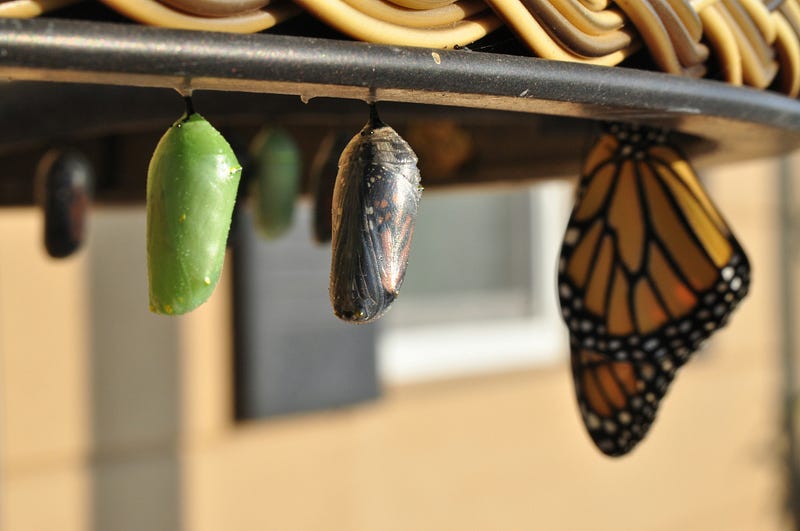
Photo by Suzanne D. Williams on Unsplash

Dr. Kalanithi advises that we embrace change.

What’s more, what is important to us will change constantly.

Time and time again.

“The tricky part of illness is that, as you go through it, your values are constantly changing. You try to figure out what matters to you, and then you keep figuring it out…You may decide you want to spend your time working as a neurosurgeon, but two months later, you may feel differently. Two months after that, you may want to learn to play the saxophone or devote yourself to the church.” — Dr. Paul Kalanithi

We must be willing to be comfortable with change, for it shows that we are growing.

Buddha advises us:

Just as a snake sheds its skin, we must shed our past over and over again. Buddha

#3Have a balanced time perspective in life
Photo by Christophe Hautier on Unsplash

Sometimes, we lose balance.

We work for 12 hours and sleep for only 4. However, the book teaches us to live in the moment and plan for the future.

Perhaps you should prioritize working smart instead of hard. Embracing deep work and allowing yourself time to rest and spend time with family?

Adopting mindfulness and working hard in the present moment while planning for the future were the main lessons I learned.

The book is a recommended read because it gives so many more lessons about life that we take for granted.

We have a reading community where articles from amazing writers are shared weekly. Feel free to join us and follow the community.

Life Lessons
Recommended from ReadMedium