
3 Lessons to Be Learnt From the Death of a Loved One
“You and everyone you know are going to be dead soon. And in the short amount of time between here and there, you have a limited amount of fucks to give. Very few, in fact. And if you go around giving a fuck about everything and everyone without conscious thought or choice — well, then you’re going to get fucked.” ― Mark Manson
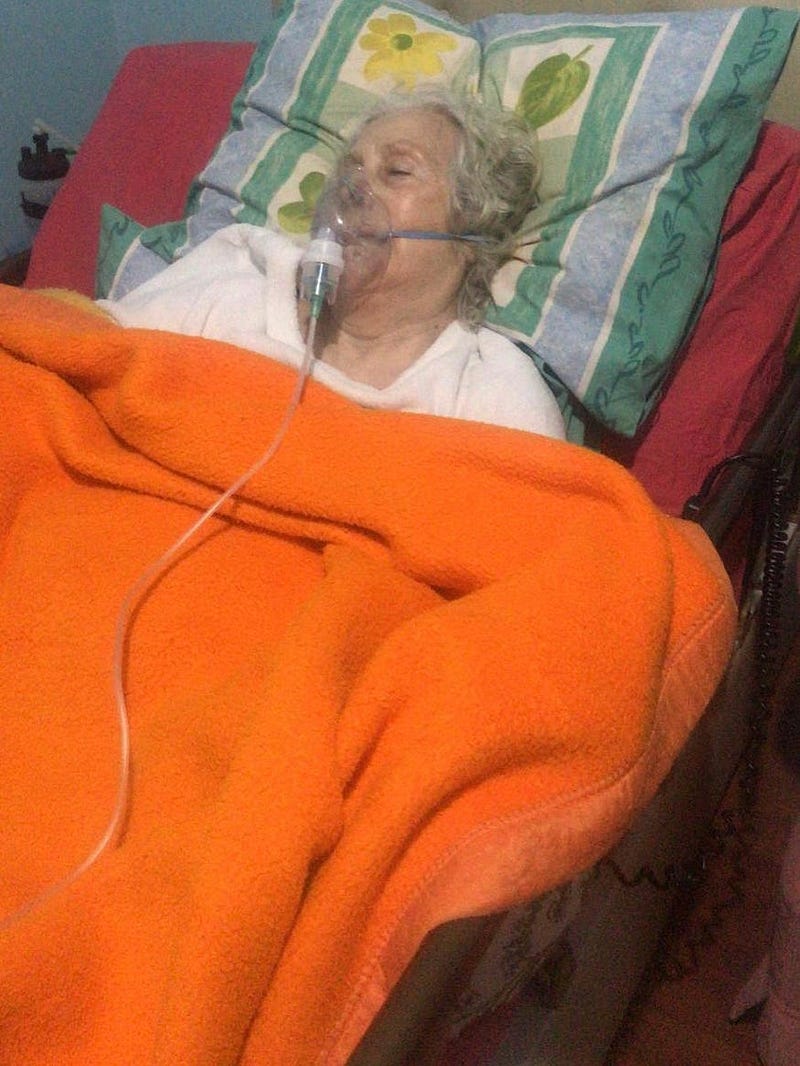
Recently I received the news that my grandma’s Alzheimer’s has worsened — she’s dying. I hadn’t had the chance to see her for a long time because she lives in a different country. Seeing what she looked like now was startling as I’d always remembered her as lively, cheerful, and energetic.
I asked my mum to find old photos of her because I wanted to see them, and I literally couldn’t stop staring at them for a while. Realizing how much time has passed since that first photo was taken is shocking.
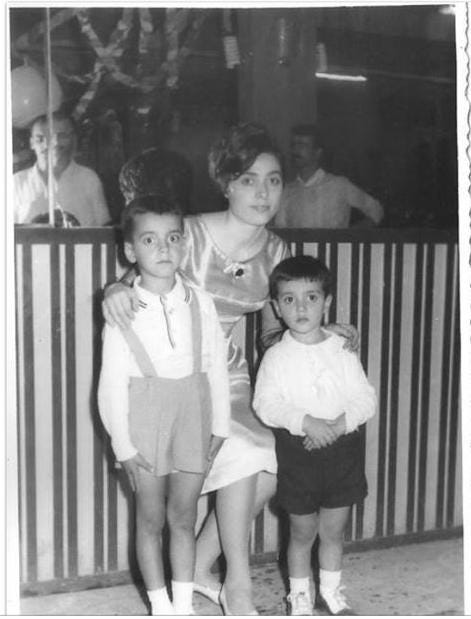
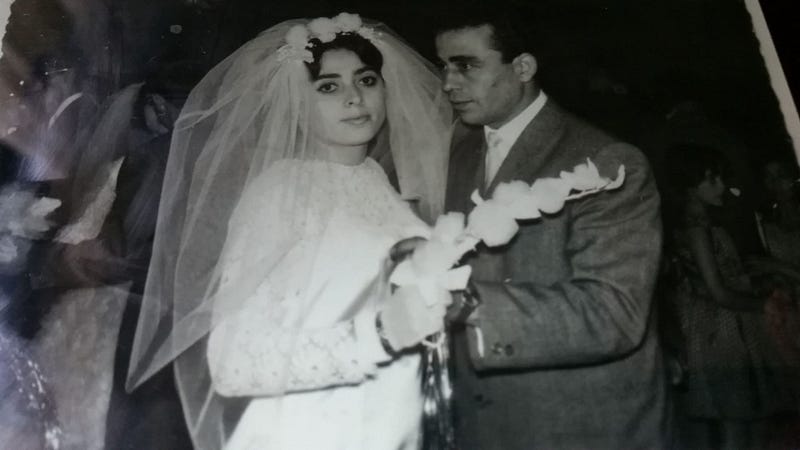
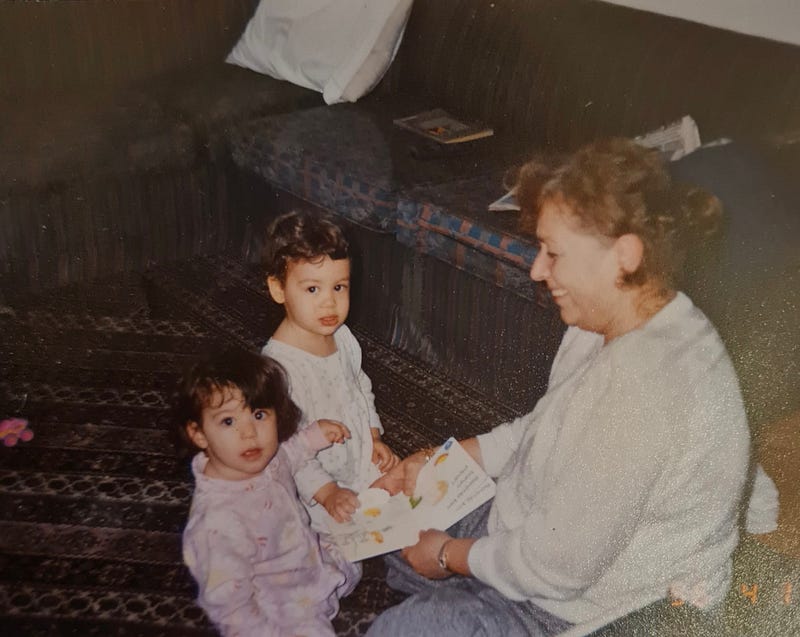
Alzheimer’s is a progressive disease, where there is mild memory loss in the early stages. In the later stages, people lose their ability to carry on a conversation and respond to their environment. At this point, my grandma has difficulty just eating and swallowing. Because there is damage to her brain, she can no longer control her breathing well, which means she needs an oxygen mask to ensure there is enough oxygen in her body. Regardless of any help, she will stop breathing completely soon. Instead of staying in a hospital where they would forcibly keep her alive for as long as possible, it was decided that she would spend her final days at home.
With all of this going on, I started thinking more deeply about death in general and what it means for all of us.
1. Life is short — we will all die
Technically, we all know this, but I don’t think we truly realize it. We all picture unlimited time ahead of us. I know I personally do.
We don’t live our day-to-day lives like we’re really going to die one day, yet we will. Every moment we waste is a moment we will never get back. We focus all our energy just to get through each day, and we forget our time here is finite. This is why we are usually unprepared to deal with unexpected events like the death of someone close, or a terminal illness. These come as a shock.
Whatever we’re doing right now could be the last thing we do on earth, considering the uncertainty of life. However, recognizing that our time here is limited can make it easier for us to deal with crises in our lives. Once we can appreciate the fragility of life, we can understand and appreciate more what truly matters and stop distracting ourselves with unimportant problems.
Most of us spend our lives avoiding the thought of death. Instead, the inevitability of death should be continually on our minds. — Robert Greene
2. We should think more about our own death
Our death is essentially a deadline — we often don’t recognize this, and live as if we have more time than we actually have. Everything we want to do, all our hopes and wishes, are postponed — they are things to be done in the future, not right now. We often find it hard to commit to anything we want to achieve at the present moment. So we delay stuff we need to be doing now to tomorrow, next week, next month, or even next year.
Yet, when there is a project to be done at work and a deadline ahead of us, somehow we manage to get it done in time instead of taking our time like we usually would. This is because having a deadline gives us energy, which allows us to concentrate better.
Reframing our death as a deadline can help us feel more motivated in life.
“Understanding the shortness of life fills us with a sense of purpose and urgency to realize our goals. Training ourselves to confront and accept this reality makes it easier to manage the inevitable setbacks, separations, and crises in life. It gives us a sense of proportion, of what really matters in this brief existence of ours. Most people continually look for ways to separate themselves from others and feel superior. Instead, we must see the mortality in everyone, how it equalizes and connects us all. By becoming deeply aware of our mortality, we intensify our experience of every aspect of life.“ — Robert Greene
3. We don’t get to decide how to die but we can accept it anyway
I don’t want to die like this.
Probably, this was my first thought because this kind of slow death seems like torture. I have always agreed with the concept of euthanasia, but I hadn’t put a lot of thought into it until I was told my grandma herself said she wanted to go home already. She wants to die. And that’s understandable, because who would want to live in pain, struggling to even breathe? Personally, I can’t understand why this is even allowed to continue. People should have a right to be put out of their misery if that’s what they want.
And all this also got me to think more about dependency — how we are all born dependent, vulnerable, and weak, and how most of us will likely die dependent, vulnerable, and weak. It’s a scary thought. We will have to rely on other people, relatives, or healthcare providers to take care of us because no matter how many healthy choices we make and how well we look after ourselves, there will come a time when we simply can’t manage things on our own anymore.
Thinking about this genuinely made me consider buying a gun to prepare for when such a time comes. However, even if I did, it might not mean anything. Technically speaking, I can get hit by a car tomorrow, and my entire body may end up paralyzed. I would not even be able to end my life then, even if I wanted to.
Life is unpredictable and that’s scary.
It really is when we think about it. However, recently, I have been reading about a concept called amor fati. It basically means “love of one’s fate.” It is accepting your fate and loving it for what it is. It is embracing whatever happens in your life. And you can gain enormous power with this acceptance because suddenly, you can live with the fact that there are things in life that are out of your control. You can learn to appreciate that you cannot control everything. You can even learn to enjoy the unpredictability of life.
At the end of the day, my grandma has lived a very long life. She was happy in her marriage. She had three children she loved and people to look after her financially and emotionally in her final years. She had a lot of great memories in her life. And that’s more than what most people will ever have.
What amor fati means is the following: There is much in life we cannot control, with death as the ultimate example of this. We will experience illness and physical pain. We will go through separation with people. We will face failures from our own mistakes and the nasty malevolence of fellow humans. And our task is to accept these moments and even embrace them, not for the pain, but for the opportunities to learn and strengthen ourselves. In doing so, we affirm life itself, accepting all of its possibilities. And at the core of this is our complete acceptance of death. We put this into practice by continually seeing events as fateful — everything happens for a reason, and it is up to us to glean the lesson. — Robert Greene
If you enjoyed this post and would like to read more, you can subscribe here — https://medium.com/subscribe/@ella_harris to get an email whenever I publish a story. You can also buy me ☕ via — https://ko-fi.com/ella_harris
This post contains affiliate links. If you use these links to buy something I will earn a commission. Thanks.


